Loading...
cooking#low glycemic snacks#crispy chickpeas recipe#diabetes friendly cooking
DIY Crispy Spiced Chickpeas: The Science of Making Blood-Sugar-Friendly Snacks at Home
Blood Sugar Control
April 2, 20269 min read
We’ve all been there: it’s 3:00 PM, your energy is flagging, and your stomach is starting to rumble. You reach for a bag of "healthy" veggie straws or a granola bar, only to find yourself riding a blood sugar roller coaster an hour later—complete with a shaky crash and an even more intense craving for sugar. Finding a snack that delivers a satisfying crunch without sending your glucose levels into the stratosphere can feel like an impossible task.
But what if I told you the ultimate blood-sugar-stabilizing snack is sitting in a humble can (or bag of dried beans) in your pantry right now? Enter the crispy roasted chickpea. When prepared correctly, these little legumes are more than just a delicious snack; they are a metabolic powerhouse. Today, we’re diving deep into the science of why chickpeas are a diabetic’s best friend and how you can master the art of the "perfect crunch" at home.

The Magic of the Chickpea: Why Your Blood Sugar Loves This Legume
Chickpeas, also known as garbanzo beans, are a staple of the Mediterranean diet for good reason. From a blood sugar management perspective, they offer a unique "triple threat" of nutrients that work in harmony to keep your levels stable.
The Power of the Protein-to-Fiber Ratio
The secret to avoiding glucose spikes lies in slowing down digestion. Chickpeas are packed with both soluble and insoluble fiber. Soluble fiber turns into a gel-like substance in your gut, which slows the absorption of sugar into your bloodstream. When you pair this with the high plant-based protein content found in chickpeas, you create a "buffer" that prevents the rapid breakdown of carbohydrates. It’s like putting a speed limit on how fast glucose can enter your system.
Resistant Starch: The Metabolic Secret Weapon
Unlike the rapidly digested starch found in white bread or potatoes, chickpeas contain a significant amount of resistant starch. As the name suggests, this starch "resists" digestion in the small intestine. Instead, it travels to the large intestine where it feeds your beneficial gut bacteria. The fermentation process produces short-chain fatty acids that have been shown to improve insulin sensitivity, meaning your body becomes more efficient at using the insulin it produces.
Long-Term Satiety
Because of the fiber and protein combo, chickpeas trigger the release of cholecystokinin (CCK) and GLP-1—hormones that tell your brain you are full. This helps prevent the "grazing" habit that often leads to overconsumption of high-glycemic foods.
Cracking the Code: The Science of the Glycemic Index (GI)
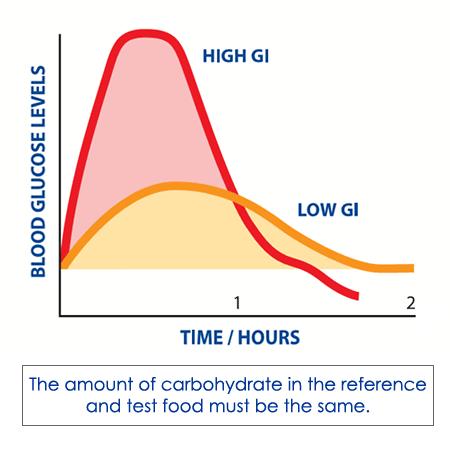
To understand why chickpeas are so effective, we have to look at the Glycemic Index (GI). The GI ranks foods on a scale of 0 to 100 based on how quickly they raise blood glucose levels.
- High GI (70+): White bread, pretzels, sugary cereals.
- Medium GI (56-69): Brown rice, sweet potatoes.
- Low GI (0-55): Most legumes, non-starchy vegetables.
Chickpeas sit comfortably at a GI of approximately 28, making them one of the lowest-glycemic carbohydrate sources available.
GI vs. Glycemic Load (GL)
While GI tells you the speed of the spike, the Glycemic Load (GL) tells you the impact of a typical serving. Because chickpeas are so nutrient-dense, their GL is also remarkably low. This means you can enjoy a satisfying portion without the metabolic stress associated with high-carb snacking.
How Cooking Affects GI
It’s important to note that cooking methods can alter a food's GI. Over-boiling legumes until they are mushy can slightly increase their GI because the starch becomes easier for the body to access. However, roasting chickpeas—the method we are using today—actually helps preserve their structural integrity, keeping that GI low while providing the texture we crave.
The 'Crunch' Factor: Why Homemade Beats Store-Bought
You might see bags of roasted chickpeas in the "healthy" aisle of your grocery store, but a quick look at the ingredient label often reveals a different story.
- Inflammatory Seed Oils: Many commercial brands use sunflower, safflower, or canola oils. While these are "vegetable oils," they are often highly processed and high in Omega-6 fatty acids, which can contribute to systemic inflammation—a major concern for those managing Type 2 diabetes.
- Hidden Sugars: To make snacks "addictive," manufacturers often add maltodextrin, dextrose, or even cane sugar to their spice blends.
- Sodium Overload: Excess sodium can lead to water retention and increased blood pressure. By making them at home, you control exactly how much high-quality sea salt goes into the mix.
- Cost: A 5-oz bag of store-bought chickpeas can cost $5.00. For that same price, you can buy enough dried chickpeas to make five times that amount.
The Ultimate Recipe: Smoky Mediterranean Crispy Chickpeas
This recipe is designed to be a "metabolic multitasker." We aren't just looking for flavor; we are using specific ingredients that support glucose disposal and reduce inflammation.
Ingredients
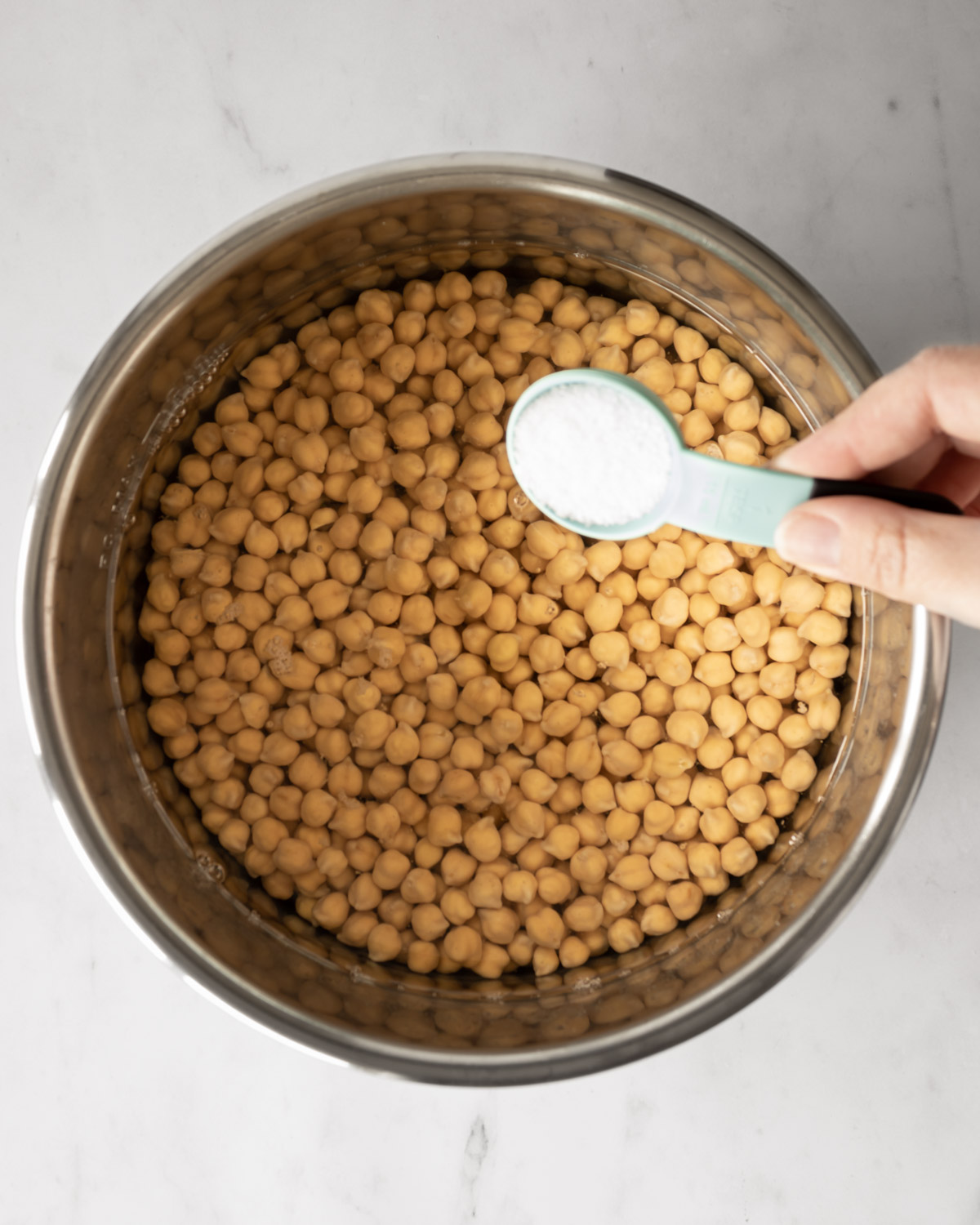
- 2 cans (15 oz each) organic chickpeas (or 3 cups cooked from dry)
- 2 tbsp Extra Virgin Olive Oil (EVOO): High in polyphenols and monounsaturated fats.
- 1 tsp Fine Sea Salt: For essential minerals.
The 'Blood Sugar Trio' Spice Blend
This specific combination of spices does more than just taste "smoky"—it provides a functional boost to your metabolism.
- 1 tbsp Smoked Paprika: Provides a rich, savory "umami" flavor without the need for sugar-laden BBQ sauces.
- 1 tsp Garlic Powder: Known for its cardiovascular benefits.
- 1 tsp Ground Cumin: A powerhouse for digestion and insulin response.
Optional (But Recommended)
- 1/2 tsp Ceylon Cinnamon: Unlike "Cassia" cinnamon, Ceylon is the "true" cinnamon and has been studied for its ability to improve fasting blood glucose levels.
The Step-by-Step Guide to Maximum Crunch
The biggest complaint about DIY chickpeas is that they turn out chewy rather than crispy. Follow these steps for a professional-grade crunch.
Step 1: The Secret is the Dryness
Drain and rinse your chickpeas thoroughly. Now, here is the vital part: Dry them like your life depends on it. Roll them between two clean kitchen towels. Let them air dry on the counter for at least 30 minutes. If there is moisture on the surface, they will steam in the oven instead of roasting.
Step 2: The Naked Roast
Preheat your oven to 400°F (200°C). Place the completely dry chickpeas on a parchment-lined baking sheet. Do not add oil yet. Roast them "naked" for 15 minutes. This evaporates any remaining internal moisture.
Step 3: Oil and Spice
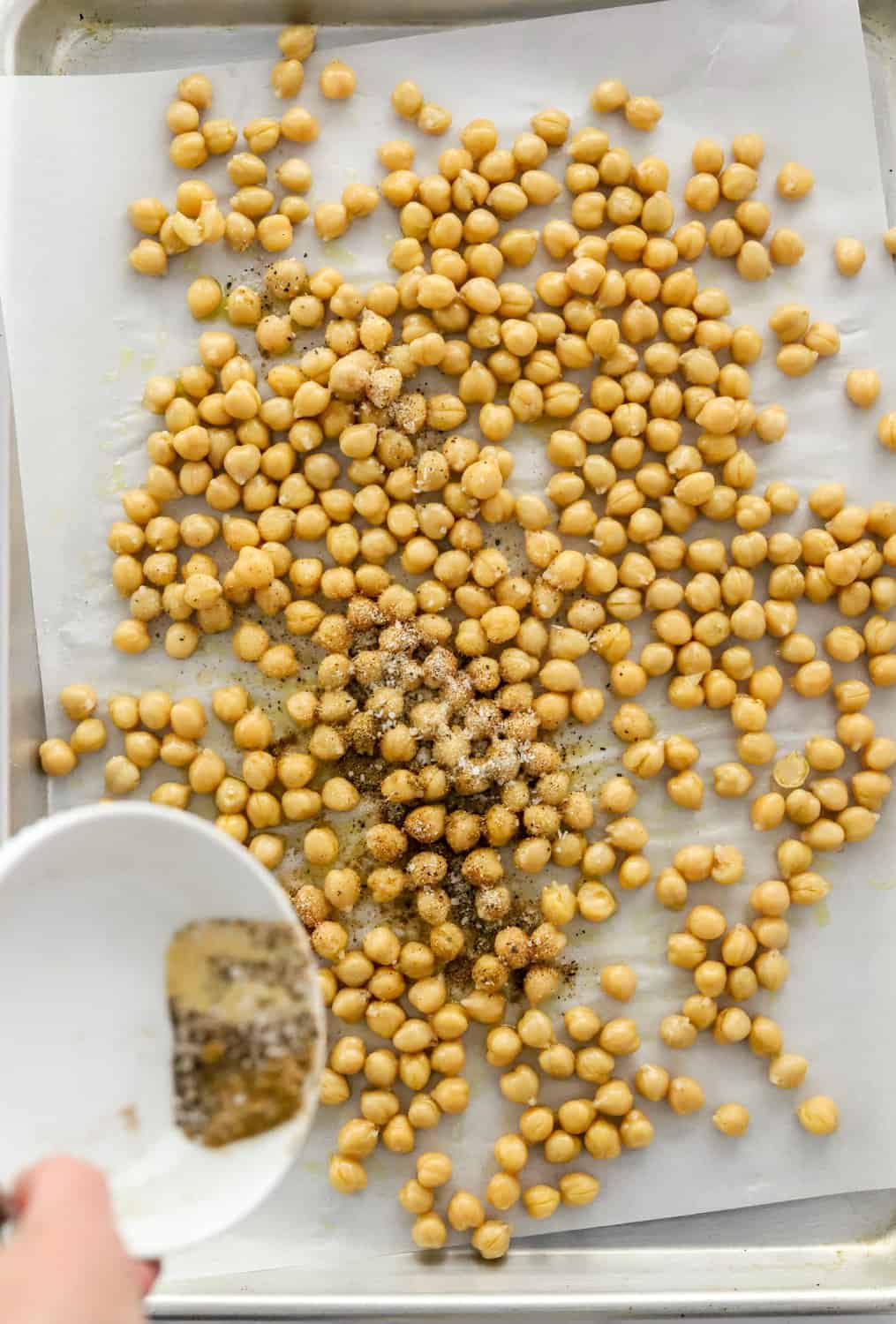
Remove the tray. Drizzle with the olive oil and toss to coat. Now, sprinkle your "Blood Sugar Trio" spice blend over the top. Toss again until every chickpea is vibrant orange-red.
Step 4: The Final Crisp
Return to the oven for another 15–20 minutes. Shake the pan halfway through. You’ll know they are done when they feel light and make a "clinking" sound when you shake the tray.
Step 5: The Cooling Technique
Turn off the oven and crack the door open slightly. Let the chickpeas cool inside the oven for 10 minutes. This slow cooling process allows the last bit of steam to escape, ensuring they stay crispy for days.
Superfood Spices: Enhancing Flavor and Insulin Function
We don't just use spices for heat; we use them as medicine.
- Cumin: Research suggests that cumin can help lower advanced glycation end products (AGEs), which are harmful compounds that form when protein or fat combine with sugar in the bloodstream.
- Turmeric & Black Pepper: If you want to take this recipe further, add a half-teaspoon of turmeric and a pinch of black pepper. The piperine in the pepper increases the absorption of turmeric’s curcumin by 2,000%, offering potent anti-inflammatory benefits.
- Smoked Paprika: Beyond the flavor, paprika is rich in Vitamin A and E, antioxidants that protect cells from the oxidative stress often associated with high blood sugar.
Smart Snacking Strategies for Diabetics
Even a healthy snack needs a strategy. Here is how to incorporate these into your routine:
- The Serving Size: A standard blood-sugar-friendly serving is 1/2 cup. This provides roughly 6-7 grams of fiber and 7 grams of protein.
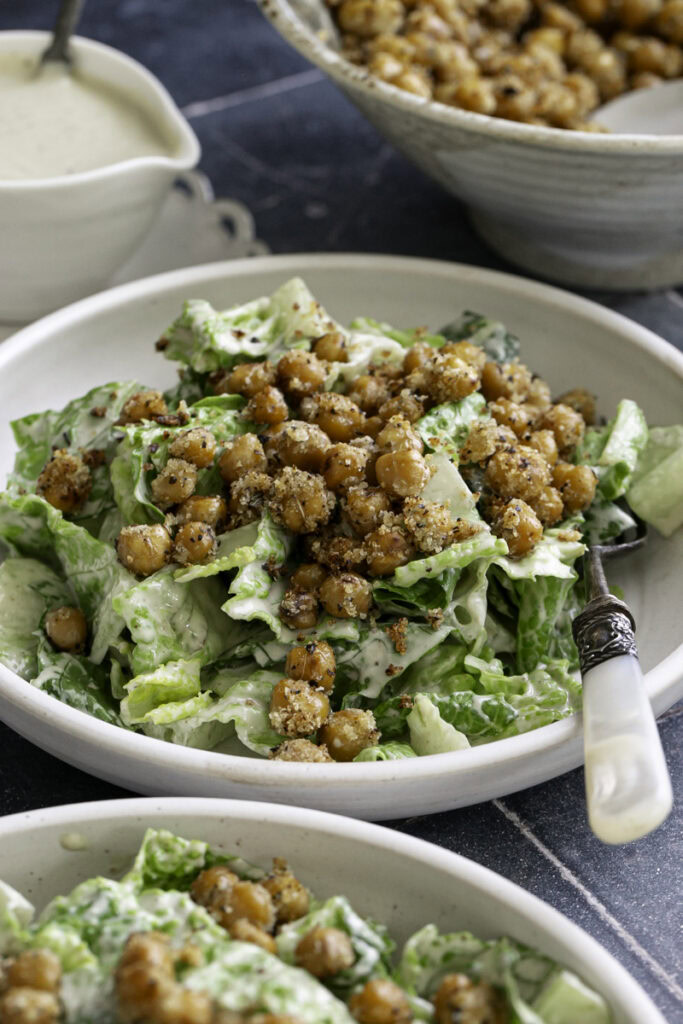
- The "Crouton" Swap: Replace high-carb bread croutons in your Caesar or Greek salads with these chickpeas. You get the crunch without the spike.
- The Yogurt Topper: It sounds strange, but savory chickpeas on top of plain, full-fat Greek yogurt with a drizzle of olive oil is a Mediterranean delicacy that provides an incredible protein punch.
- Timing is Everything: Eat these as a mid-afternoon snack (around 3:00 or 4:00 PM). This is when cortisol levels often dip, leading to cravings. The fiber will carry you through to dinner with stable energy.
Troubleshooting and Storage Tips
- "My chickpeas got soggy!" This usually happens because they weren't dry enough before roasting or they were stored while still warm. To revive them, pop them in an air fryer at 350°F for 3–5 minutes.
- Storage: Store them in a glass jar or an airtight container at room temperature.
- The Refrigerator Rule: Never store roasted chickpeas in the fridge. The humidity will turn them into little balls of mush instantly.
Conclusion: Your New Go-To Snack for Stable Energy
Managing your blood sugar doesn't mean you have to settle for bland, boring, or "soft" foods. By taking control of the roasting process, you can enjoy a snack that satisfies your cravings for something salty and crunchy while actually improving your metabolic health.
These Smoky Mediterranean Crispy Chickpeas are a testament to the fact that DIY cooking is the ultimate tool for empowerment. You aren't just making a snack; you're making a choice to fuel your body with fiber, protein, and life-giving spices.
Give this recipe a try this weekend! Experiment with your own spice blends—maybe a little lime zest or some dried oregano—and let us know your favorite combination. Your energy levels (and your glucose monitor) will thank you.