Loading...
mental-health#low blood sugar vs anxiety#hypoglycemia symptoms#blood sugar and mental health
Is It Anxiety or a Blood Sugar Dip? How to Tell the Difference and Regain Calm
Blood Sugar Control
February 19, 20269 min read

You are sitting at your desk, mid-afternoon, when it hits you. Your heart starts to hammer against your ribs like a trapped bird. Your palms grow damp, your breath becomes shallow, and a wave of inexplicable dread washes over you. Your first thought is: I’m having an anxiety attack. But then you remember you haven't eaten since 8:00 AM. Or maybe you had a sugary muffin for a late brunch, and now your body is reeling.
Is it a mental health crisis, or is your internal fuel gauge hitting empty? This confusion is incredibly common, and for many, it’s a source of daily frustration. Welcome to the intersection of metabolic health and mental well-being—a place where the lines between a "blood sugar dip" and "anxiety" become dangerously blurred.
The Great Impersonator: Why Anxiety and Low Blood Sugar Look So Similar
To understand why these two conditions feel so identical, we have to look at the body’s ancient survival mechanism: the "fight or flight" response.
When your brain perceives a threat—whether that threat is a looming work deadline (anxiety) or a dangerously low level of glucose in your bloodstream (hypoglycemia)—it pulls the same emergency lever. This lever activates the sympathetic nervous system, flooding your body with stress hormones like adrenaline and cortisol.
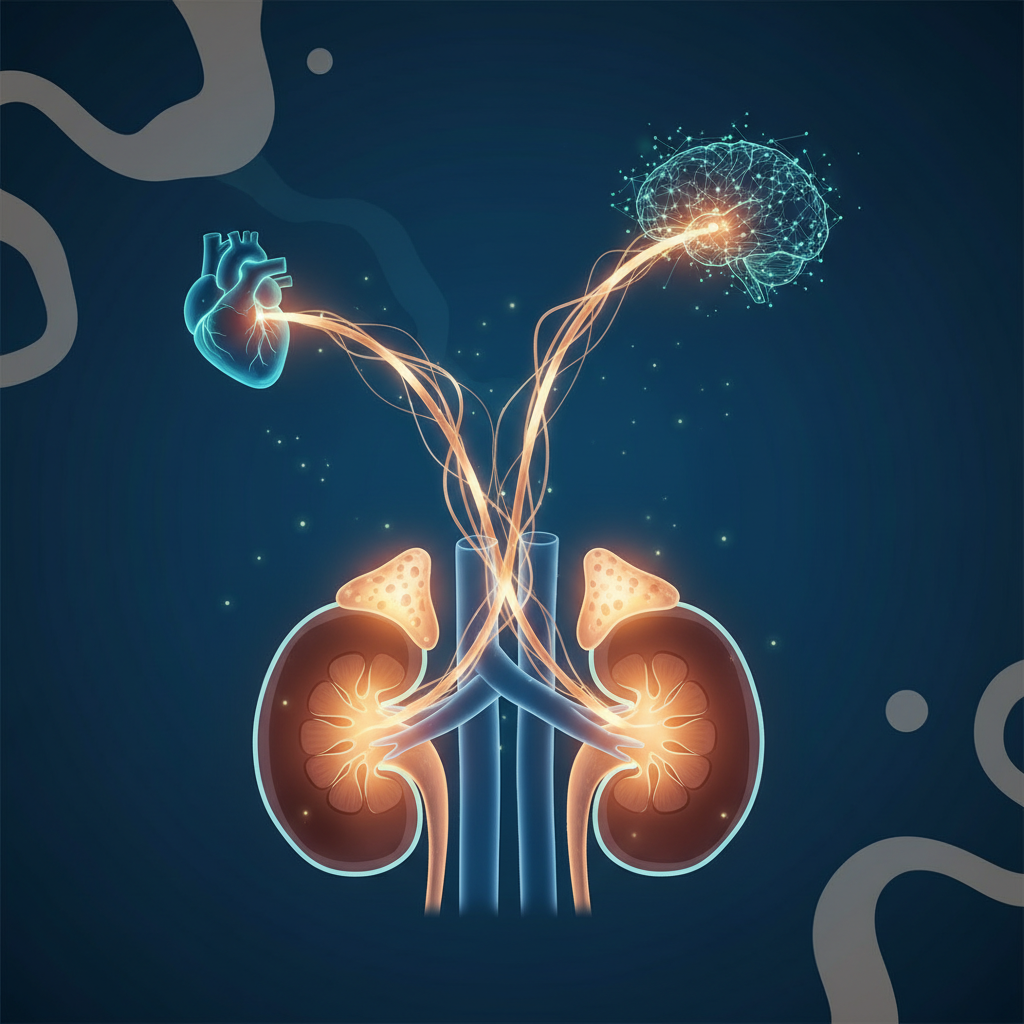
Adrenaline is the body’s "SOS" signal. In the case of low blood sugar, adrenaline's job is to scream at your liver to release stored glucose to keep your brain functioning. However, adrenaline also happens to be the primary driver of the physical sensations we associate with panic. It increases your heart rate, makes you sweat, and causes your muscles to tremble.
This creates a "biological mirror" effect. You feel the physical symptoms of a glucose crash, and your brain—ever the storyteller—searches for a reason why you feel this way. It often lands on "I must be anxious," which then triggers actual anxious thoughts, creating a vicious cycle. It is profoundly frustrating to feel out of control of your own body, but understanding that this is a biological "misfire" is the first step toward regaining your calm.
Understanding the 'Hangry' Heart: Physical Signs of a Blood Sugar Dip
Hypoglycemia, or a blood sugar dip, has a very specific physical profile. While it shares traits with anxiety, it often carries "metabolic fingerprints" that can help you identify it.
The Hallmark Symptoms
The most common physical indicators of a dip include:
- The "Internal Tremor": A distinct shakiness in the hands or a feeling of vibrating deep inside your chest.
- Sudden Diaphoresis: This is the medical term for sudden, cold sweating, often on the back of the neck or the forehead, regardless of the room temperature.
- Primal Hunger: Unlike a "craving," this is an intense, gnawing need to eat anything immediately.

The Importance of Timing
One of the biggest clues is timing. Reactive hypoglycemia typically occurs 2 to 4 hours after a meal, especially if that meal was high in refined carbohydrates or sugar. This is known as the "sugar crash." If you felt fine an hour ago but are suddenly falling apart three hours after a pancake breakfast, your blood sugar is the likely culprit.
The "Brain Fog" Red Flag
While anxiety can make it hard to focus, low blood sugar often causes a specific type of cognitive impairment. You might find yourself struggling to find common words, feeling unusually confused, or experiencing "clumsiness." Because the brain relies almost exclusively on glucose for energy, it is the first organ to "dim the lights" when supplies run low. If you feel "spaced out" or like you’re walking through a cloud, check your sugar first.
The Mind-Body Connection: Recognizing True Anxiety Symptoms
If blood sugar is about "fuel," anxiety is often about "future." While the physical sensations overlap, true anxiety usually carries a heavy cognitive load that a sugar dip does not.
Identifying Cognitive Patterns
Anxiety is rarely "quiet." It is usually accompanied by racing thoughts, rumination, or "what-if" scenarios. You might find yourself obsessing over a conversation from three days ago or worrying about a hypothetical disaster.
- Situational Worries: Anxiety often has a target. Are you worried about your health, your finances, or a specific social interaction?
- The "Dread" Factor: While low sugar feels like physical urgency, anxiety often feels like an impending sense of doom that isn't satisfied by eating.

Physical Leans Toward Anxiety
Certain physical symptoms are much more common in anxiety than in hypoglycemia:
- Chest Tightness: A feeling of a heavy weight on the chest or a "band" tightening around the ribs.
- Tingling Sensations (Paresthesia): Numbness or "pins and needles" in the fingers, toes, or around the mouth, often caused by the hyperventilation associated with anxiety.
- Muscle Tension: Chronic jaw clenching or tightness in the shoulders and neck.
Tracing the Trigger
The simplest way to tell the difference? Ask yourself: Was there a trigger? Did you just receive a stressful email? Did you have an argument? Or did you simply skip your mid-afternoon snack? If there is no psychological trigger but you feel like you’re dying, it’s time to look at your metabolism.
The 3-Step 'Check-In' to Solve the Mystery Fast
When the symptoms strike, don't guess—test. Use this 3-step protocol to regain control in under 20 minutes.
Step 1: The Glucose Test
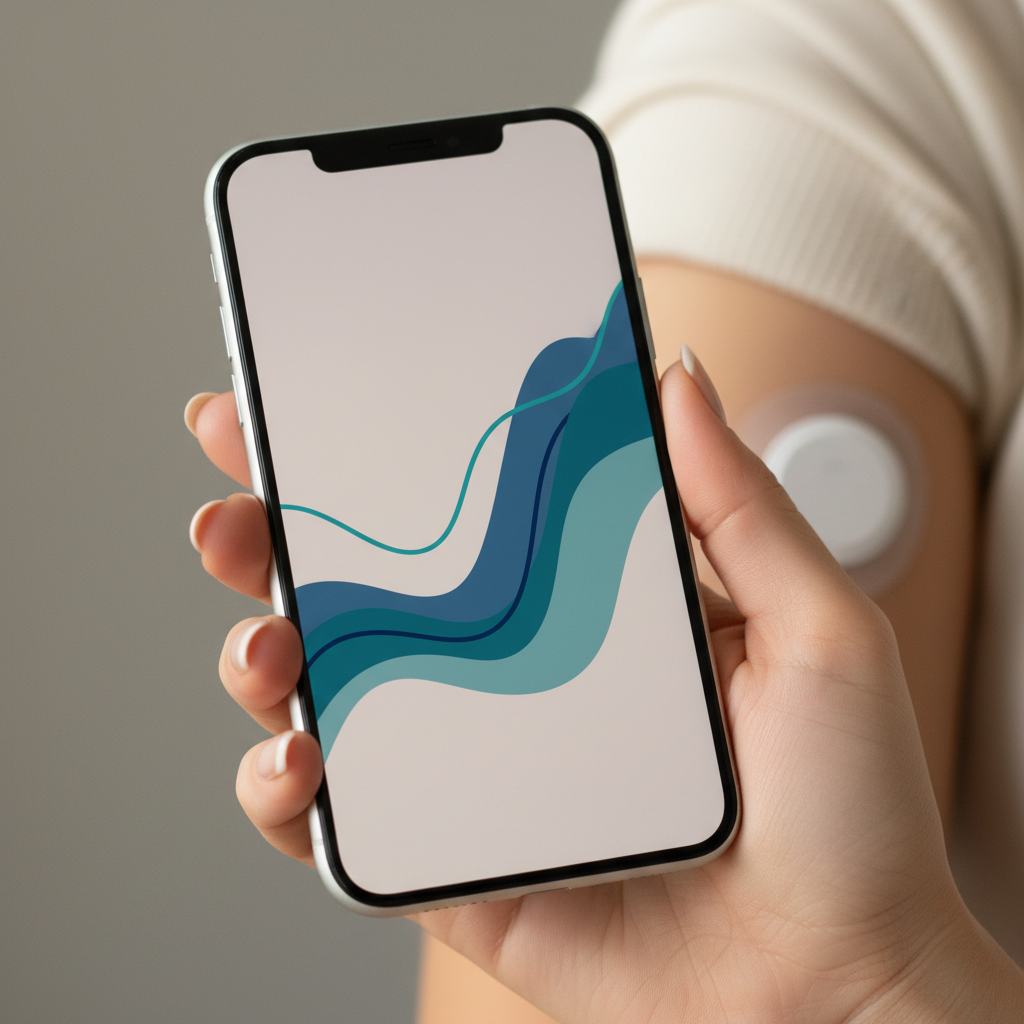
If you have access to a blood glucose monitor or a Continuous Glucose Monitor (CGM), use it. Data is the enemy of uncertainty. Seeing a number like 65 mg/dL tells you exactly what to do: eat. If your number is a steady 100 mg/dL, you know that the "shakiness" is likely emotional or caffeine-related, and you can pivot to mental grounding techniques.
Step 2: The 'Rule of 15'
If your sugar is low, treat it with the "Rule of 15." Consume 15 grams of fast-acting carbohydrates (like 4 ounces of fruit juice, 3-4 glucose tablets, or a tablespoon of honey). Wait 15 minutes and re-test.
- Why 15? It’s enough to stabilize you without causing a massive "spike" that leads to another crash later.
- The "Calm Down" Effect: Usually, within 10 to 15 minutes of eating, the adrenaline surge will subside, and the "anxiety" will miraculously vanish.
Step 3: Mindful Breathing and Grounding
If your sugar is normal, or if you’ve already treated the dip and still feel "on edge," use grounding. Try the 5-4-3-2-1 Technique:
- Acknowledge 5 things you see.
- 4 things you can touch.
- 3 things you hear.
- 2 things you can smell.
- 1 thing you can taste. This pulls your brain out of the "future-worry" and back into the present physical world.
Proactive Prevention: Stabilizing Both Your Mood and Your Sugar
The best way to manage the anxiety-sugar confusion is to prevent the "dips" from happening in the first place. Stability in your blood sugar leads to stability in your nervous system.
The Power of 'Pairing'
Never eat "naked carbs." A piece of fruit or a slice of toast on its own can cause a rapid rise and fall in blood sugar. Instead, always pair your carbs with Protein, Fat, and Fiber.
- Example: Instead of just an apple, have an apple with almond butter (Fat/Protein).
- Example: Instead of a plain bagel, have half a bagel with avocado and a poached egg.

Consistent Meal Timing
Your body thrives on rhythm. Aim to eat every 3 to 5 hours to keep your glycogen stores topped up. This prevents the "emergency" release of adrenaline that mimics panic.
The Unsung Heroes: Hydration and Sleep
Dehydration can mimic the lightheadedness of low sugar, while a single night of poor sleep increases insulin resistance, making you much more likely to experience blood sugar swings the following day. Prioritizing 7-8 hours of sleep is one of the most effective "anti-anxiety" and "pro-metabolic" tools in your kit.
When to Seek Professional Support
While lifestyle changes do wonders, sometimes the "mystery" requires a detective with a medical degree.
Identifying Frequent Crashes
If you find yourself following the "Rule of 15" multiple times a week, or if you are experiencing "hypoglycemia unawareness" (where your sugar drops but you don't feel symptoms until they are severe), it is time to see a doctor. This could indicate reactive hypoglycemia, an insulin issue, or the need for a medication adjustment.
GAD vs. Reactive Hypoglycemia
A professional can help distinguish between Generalized Anxiety Disorder (GAD) and metabolic issues. If your anxiety persists even when your blood sugar is perfectly managed and your diet is pristine, you may benefit from working with a therapist or psychiatrist to address the underlying mental health roots.

Empowering the Conversation
When you speak to your doctor, bring a log. Note the time of your symptoms, what you ate beforehand, and—if possible—your glucose readings. Saying "I feel shaky at 3 PM every day" is much more helpful to a doctor than saying "I feel anxious sometimes."
Conclusion: Reclaiming Your Calm and Your Confidence
Distinguishing between anxiety and a blood sugar dip is a superpower. It transforms a moment of terrifying "loss of control" into a manageable "physiological signal."
Remember:
- Anxiety is often cognitive, situational, and accompanied by chest tightness.
- Blood sugar dips are often physical, timed 2-4 hours after eating, and accompanied by "brain fog" or cold sweats.
By using the 3-step check-in and focusing on balanced "paired" meals, you aren't just managing a number on a screen—you are protecting your peace of mind. You have the tools, the knowledge, and the power to navigate these waves with confidence.
How do you tell the difference? Have you ever realized your "panic" was actually just hunger? Share your experiences in the comments below, or sign up for our newsletter for more tips on mastering your metabolic health!