Loading...
tech#GLP-1 agonists#insulin pump settings#gastric bypass effect
Mastering the Gastric Bypass Effect: Syncing Your Insulin Pump with GLP-1 Therapy
Blood Sugar Control
March 14, 20268 min read
The New Era of Diabetes Tech: When Pumps Meet GLP-1s
For years, my relationship with my insulin pump was a bit like a long-term marriage: predictable, occasionally frustrating, but ultimately stable. I knew exactly how a slice of pizza would behave on my Dexcom graph, and I knew precisely how many units I needed to counteract a morning spike. Then, my endocrinologist and I decided to introduce a GLP-1 receptor agonist into my regimen. Suddenly, the "rules" of my diabetes management didn't just change—they were completely rewritten.
Adding a GLP-1 (like Ozempic, Mounjaro, or Victoza) to an insulin pump setup is like upgrading your body’s operating system while simultaneously installing a high-end hardware accelerator. It’s a game-changer for Type 2 diabetics looking for tighter control, but it is increasingly becoming a "secret weapon" for Type 1 diabetics who struggle with insulin resistance or glycemic variability.
This synergy is what experts are calling the "Gastric Bypass Effect." By mimicking the hormones naturally released during weight-loss surgery, GLP-1s provide a metabolic shift that makes our advanced hardware—our Tandems, Omnipods, and Medtronics—work more efficiently than ever before. However, if you don't adjust your settings to match this new biological reality, you’re going to find yourself in a world of hypoglycemic frustration.
-b967b99a-1920w.png)
Understanding the Gastric Bypass Effect on Digestion
The magic (and the challenge) of GLP-1 therapy lies in its multi-pronged approach to glucose. While it stimulates insulin secretion (in T2Ds) and suppresses glucagon, its most profound impact on pump users is delayed gastric emptying.
In a "normal" diabetic state, we are often racing against our food. We pre-bolus 15 to 20 minutes before a meal because we know those carbohydrates are going to hit the bloodstream like a freight train. With GLP-1s, that train is replaced by a slow-moving barge. The stomach takes significantly longer to process nutrients and pass them into the small intestine.
If you stick to your old pre-bolus routine, you will likely experience a "cliff-dive" low. Your insulin peaks while your food is still sitting in your stomach, waiting for its turn to be digested. This shift requires us to rethink the fundamental timing of our therapy. You are no longer just managing insulin; you are managing a synchronized dance between slowed digestion and increased insulin sensitivity.

Recalibrating Your Basal Rates: The Foundation of Stability
The first thing most users notice within 48 hours of their first GLP-1 dose is the "GLP-1 dip." Because these medications significantly improve insulin sensitivity and reduce the liver's glucose output, your baseline insulin needs will drop—often dramatically.
I found that my total daily dose (TDD) of insulin dropped by nearly 25% in the first month. If you don't adjust your basal rates, you will find yourself "feeding the insulin" all day long just to stay above 70 mg/dL.
Step-by-Step Guide to Testing New Basal Patterns:
- The Fasting Test: Choose a 6-hour window (like 12 AM to 6 AM) where you don't eat or bolus. If your CGM shows a downward trend, your basal is too high.
- The 10-20% Rule: Most clinicians recommend starting with a 10% reduction in basal rates across the board when starting a GLP-1, eventually moving toward 20-30% as the medication reaches its steady state in your system.
- Night-Time Vigilance: GLP-1s are particularly effective at curbing "Dawn Phenomenon." Watch your overnight trends closely; you may find you need very little insulin in the early morning hours.
The Art of the Bolus: Extended and Square Wave Strategies
The "Immediate Bolus" is the enemy of the GLP-1 user. If you take 100% of your insulin upfront for a meal, you are almost guaranteed a "double dip"—a low shortly after eating, followed by a massive spike three hours later when the food finally digests.
This is where the Extended Bolus (on Tandem/Medtronic) or the Multi-wave Bolus (on Omnipod) becomes your best friend.
For a typical meal, I have moved to a 50/50 split. I take 50% of the insulin upfront to cover the initial glucose rise and extend the remaining 50% over a period of 2 to 3 hours. For high-fat or high-protein meals (which GLP-1s slow down even further), I’ve even gone as far as a 30/70 split over 4 hours.
Leveraging Automated Insulin Delivery (AID) Systems
If you are using an AID system like Control-IQ (Tandem) or SmartAdjust (Omnipod 5), the GLP-1 effect creates an interesting dynamic. These systems are designed to predict where you’ll be in 30-60 minutes. However, because GLP-1s slow everything down, the algorithms can sometimes be "fooled" into thinking you need more insulin than you actually do during the slow rise of a meal.
The Power of Sleep Mode: Many Tandem users find that keeping the pump in "Sleep Mode" 24/7 is more effective when on a GLP-1. Why? Because Sleep Mode is more aggressive with basal adjustments but does not deliver automatic correction boluses. This prevents the pump from "stacking" insulin on top of a slow-digesting meal, which often leads to severe late-postprandial lows.
The result of this tech-medication synergy is a "flat line" that was previously thought impossible for most diabetics. By letting the GLP-1 handle the heavy lifting of glucose stability and letting the AID system handle the micro-adjustments, the "time in range" (TIR) can easily soar above 90%.

Adjusting Ratios: Carb Factors and Correction Factors
As your body becomes more sensitive to insulin, your old ratios will become obsolete.
Insulin-to-Carb (I:C) Ratio
If your ratio was 1:10 (one unit for every 10 grams of carbs), you might find that 1:12 or 1:15 is now your "sweet spot." Because the GLP-1 helps your body utilize its own (or injected) insulin more efficiently, you simply don't need the same "punch" to cover a meal.
Insulin Sensitivity Factor (ISF)
Your correction factor—how much one unit of insulin drops your blood sugar—will also likely increase. If 1 unit used to drop you 50 mg/dL, it might now drop you 70 or 80 mg/dL. Failing to update this in your pump settings can lead to "over-correcting," where a small high turns into a crashing low.
The Role of Protein and Fat
On a GLP-1, protein and fat aren't just macronutrients; they are biological brakes. They further slow the absorption of glucose. When using a pump, you may need to account for these with an even longer extended bolus, as the "protein rise" can happen 4 to 6 hours after the meal.
Safety First: Avoiding the 'Double Dip' Hypoglycemia
The biggest safety risk when syncing a pump with GLP-1 therapy is insulin stacking. Because you might see your blood sugar staying stubbornly at 160 mg/dL two hours after a meal (due to slow digestion), the temptation is to hit a correction bolus.
Don't do it.
On a GLP-1, that 160 mg/dL is often just a "delay," not a "deficit." If you add a correction bolus on top of your meal bolus, you will experience the "double dip"—where both doses of insulin hit your system just as the food finally enters the small intestine.
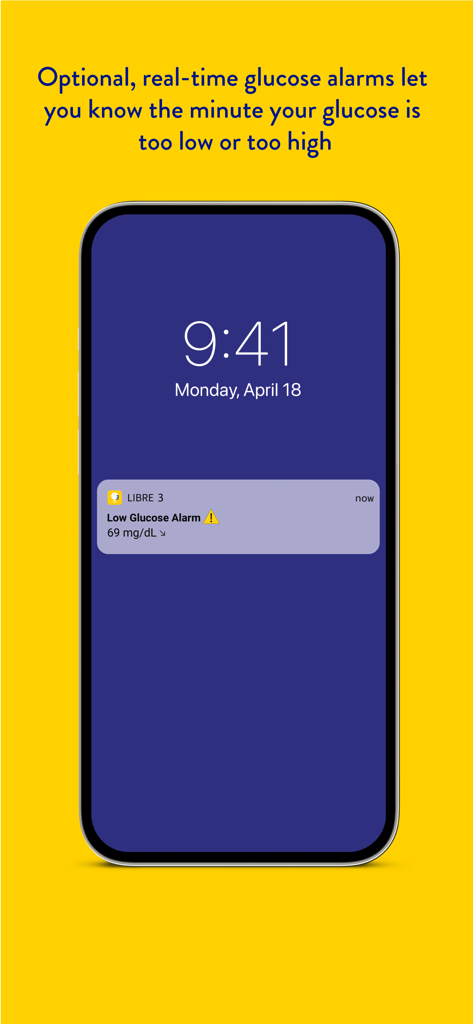
Pro-Tip: Set your CGM "Low" alerts slightly higher (e.g., 80 mg/dL instead of 70 mg/dL) during the first two weeks of GLP-1 titration. This gives you a buffer to catch the increased sensitivity before it becomes an emergency.
The Future of Hybrid Therapy: Constant Evolution
We are living in a golden age of metabolic technology. The ability to pair the precision of an automated insulin pump with the systemic hormonal benefits of a GLP-1 is giving patients a level of "metabolic flexibility" that was once reserved for those with a functioning pancreas.
Mastering this "Gastric Bypass Effect" isn't about setting your pump and forgetting it; it’s about becoming a student of your own data. It requires a willingness to experiment, a commitment to frequent CGM monitoring, and a proactive relationship with your healthcare team.
If you are considering adding a GLP-1 to your pump therapy, or if you’ve already started and are feeling overwhelmed by the lows, remember: you are essentially learning to drive a new, much faster car. It takes a lighter touch on the pedals (the insulin) and a better understanding of the timing.
Work closely with your endocrinologist to fine-tune these high-tech adjustments. The goal isn't just lower A1cs—it's more freedom, less "diabetes math," and the peace of mind that comes with mastering your tools.
Are you currently using an insulin pump with a GLP-1 medication? What has been your biggest challenge in syncing the two? Share your experience in the comments below or join our community forum to discuss the latest in diabetes tech!