Loading...
mental-health#panic attack vs hypoglycemia#low blood sugar symptoms#hypoglycemia anxiety
Panic Attack vs. Hypoglycemia: How to Tell the Difference
Blood Sugar Control
February 19, 20265 min read
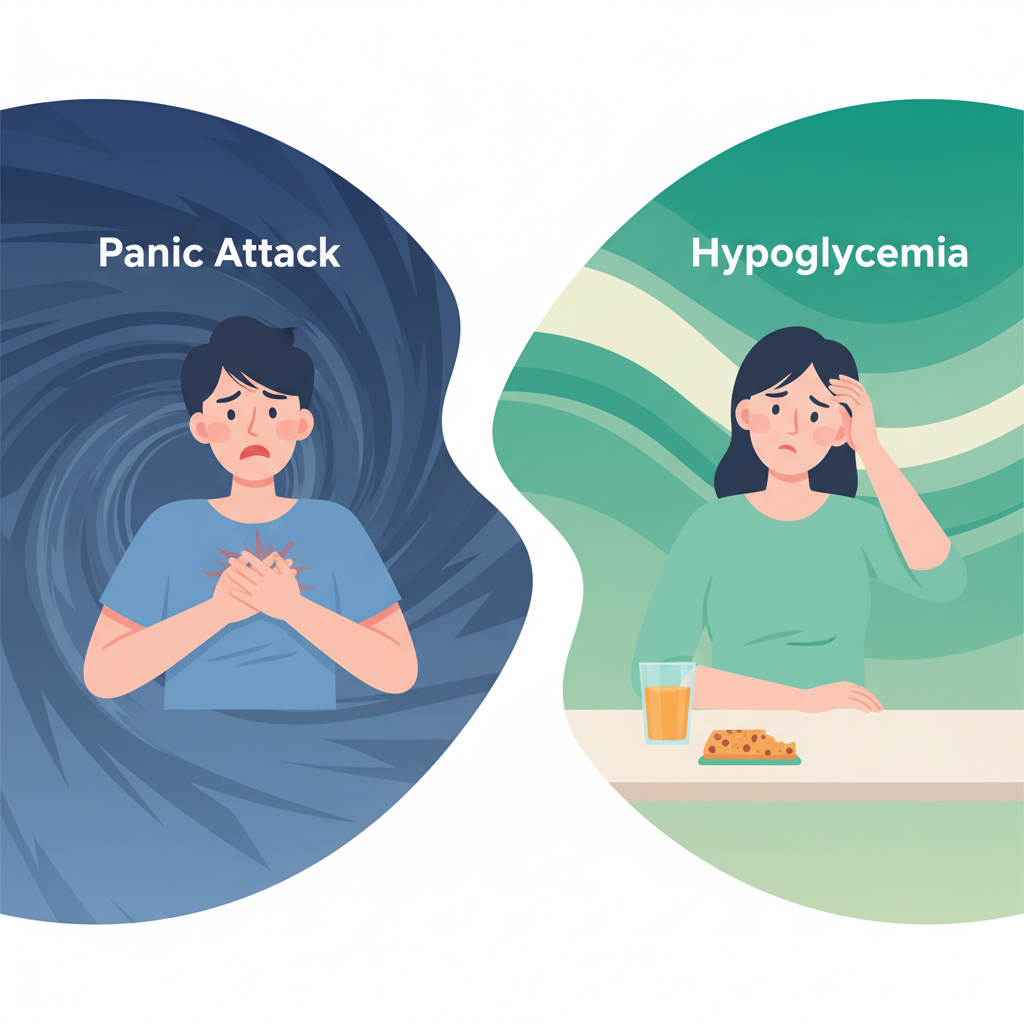
The Great Mimicker: Why Panic and Low Blood Sugar Feel the Same
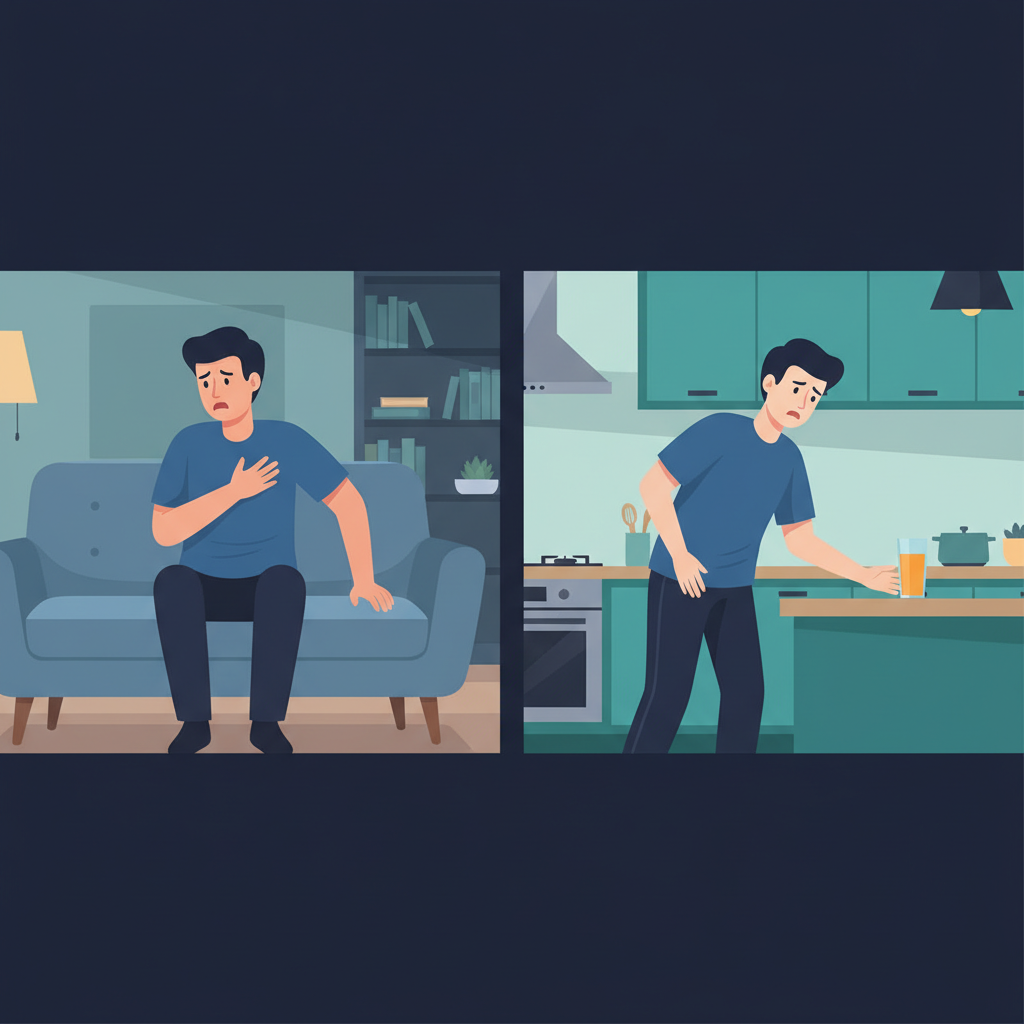
Imagine this: your heart begins to race, your palms grow damp, and a subtle tremor takes over your hands. Your chest feels tight, and a wave of uneess washes over you. For many, the immediate thought is, "I’m having a panic attack." But for those managing their blood sugar, these exact same sensations can signal a different kind of crisis: hypoglycemia.
This physical overlap is what clinicians often call "the great mimicker." Because the symptoms of low blood sugar and anxiety are nearly identical, the emotional toll can be exhausting. Not knowing whether you need a glucose tablet or a deep-breathing exercise creates a cycle of uncertainty. Accurately identifying the cause isn't just about comfort—it’s about safety. Treating a panic attack with sugar when you don't need it can lead to hyperglycemia, while treating hypoglycemia with "calm thoughts" can lead to a dangerous medical emergency.
The Adrenaline Connection: Why Your Body Reacts This Way
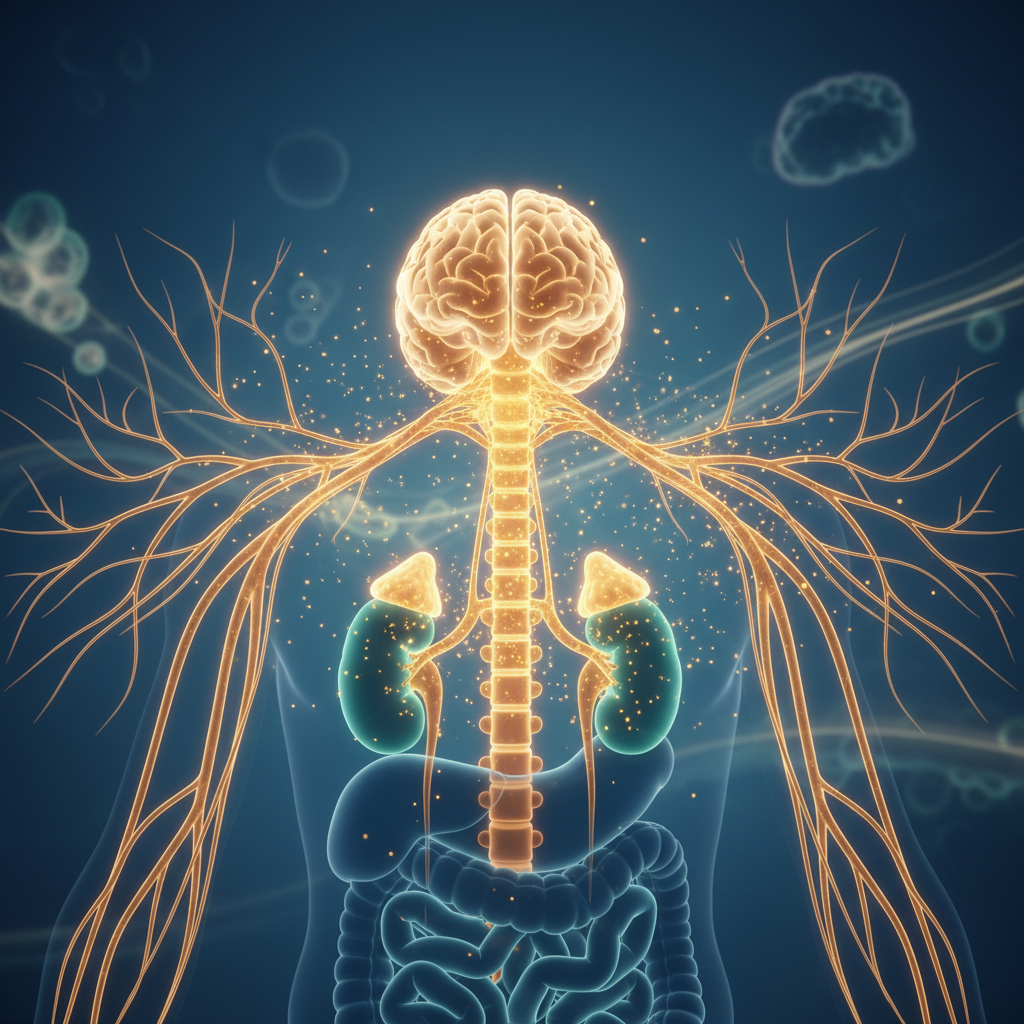
Why does the body use the same "alarm system" for two very different problems? The answer lies in the sympathetic nervous system.
When your blood glucose drops below a certain threshold (typically 70 mg/dL), your brain perceives a life-threatening energy shortage. In response, it triggers the "fight or flight" response. This causes your adrenal glands to pump out epinephrine, also known as adrenaline. Adrenaline has a specific job: it signals the liver to release stored glucose into the bloodstream to give you energy.
However, adrenaline is also the primary hormone released during a panic attack. Whether you are facing a perceived emotional threat or a metabolic one, the adrenaline surge produces the same physical effects: rapid heartbeat, sweating, and shakiness. Your nervous system is designed to prioritize survival over nuance; it doesn't care if the threat is a stressful work meeting or a lack of glucose—it just knows it needs to sound the alarm.
Key Differentiators: Subtle Clues to Watch For
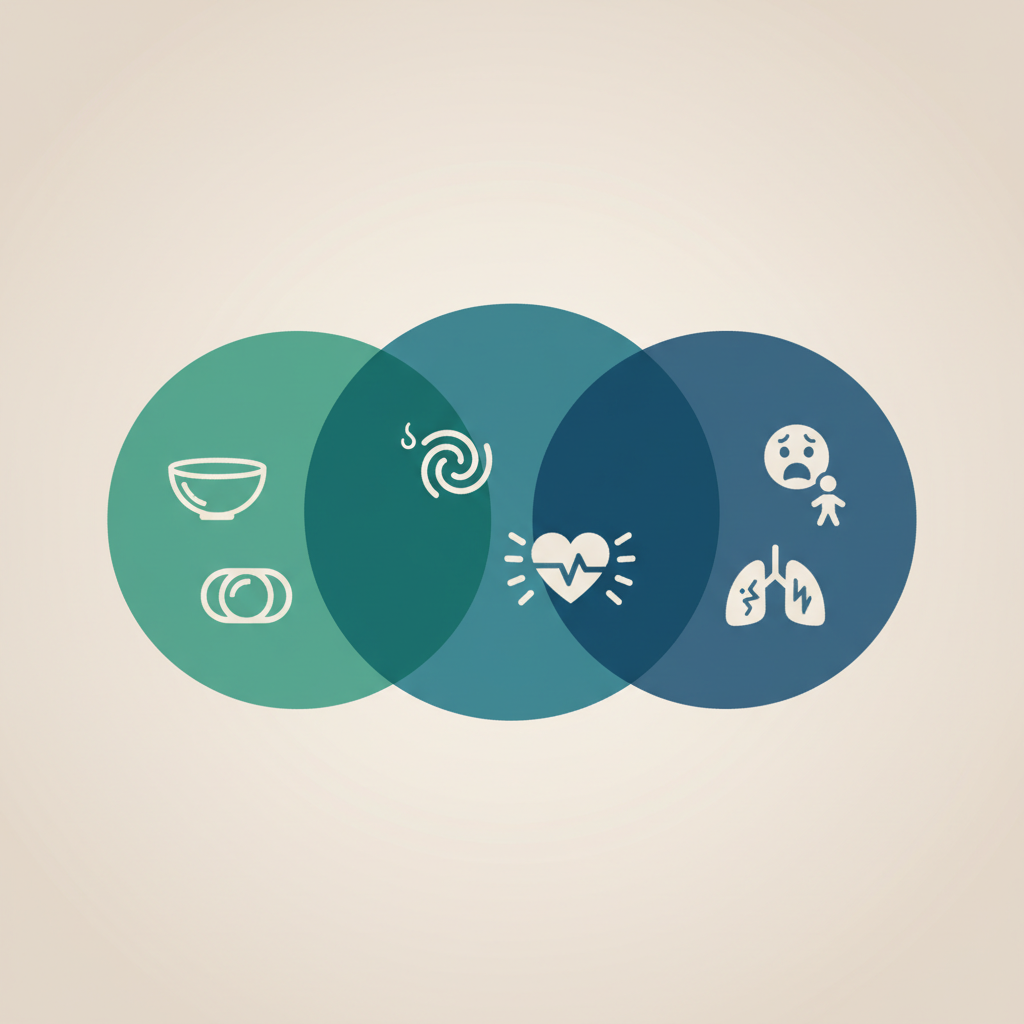
While the core symptoms overlap, there are subtle clues that can help you distinguish between the two.
Timing and Context
Context is your first clue. Ask yourself:
- When did I last eat? If it’s been more than 3-4 hours, or if you recently engaged in intense exercise, hypoglycemia is the more likely culprit.
- Is there a trigger? Panic attacks are often (though not always) preceded by a stressful thought, a crowded environment, or a specific phobia.
Unique Hypoglycemia Signs
Hypoglycemia often affects the brain's ability to function (neuroglycopenia). Look for:
- Sudden Intense Hunger: Often called "the shakes," this is a primal urge to eat anything in sight.
- Confusion or Slurred Speech: If you find it hard to find words or feel "drunk," your brain needs glucose.
- Blurred Vision: Low sugar affects the muscles of the eyes.
Unique Panic Attack Signs
Panic attacks tend to have more "psychological" physical symptoms:
- Sense of Impending Doom: A feeling that you are dying or losing your mind.
- Hyperventilation: Rapid, shallow breathing that leads to tingling in the lips or fingertips.
- Chest Tightness: A feeling of a heavy weight on the chest, often accompanied by a fear of a heart attack.
Test, Don't Guess: The Role of Glucose Monitoring
The only foolproof way to tell the difference is to gather data. If you feel these symptoms, your first action should always be to check your blood sugar.
If your meter or Continuous Glucose Monitor (CGM) shows you are low, follow the "Rule of 15":
- Eat 15 grams of fast-acting carbohydrates (e.g., 4 oz of juice, 3-4 glucose tabs).
- Wait 15 minutes.
- Re-test. If you are still below 70 mg/dL, repeat the process.
If your blood sugar is within a healthy range, you can confidently pivot to anxiety-management techniques. Over time, tracking these episodes in a log can help you see patterns. You might notice that your "anxiety" always peaks at 3:00 PM, which might actually be a post-lunch sugar crash rather than a mental health issue.
Wholistic Management: Supporting Your Mind and Metabolism
Managing these episodes requires a two-pronged approach that addresses both the physical and the emotional.
Stabilize Your Metabolism
To prevent sugar-induced "pseudo-anxiety," focus on blood sugar stability:
- Pair Your Carbs: Never eat "naked" carbs. Always pair fruit or grains with fiber, healthy fats, and protein to slow glucose absorption.
- Consistent Timing: Avoid long gaps between meals to prevent the adrenaline spikes associated with "hangry" feelings.
Calm Your Nervous System
If you have ruled out low blood sugar, use tools to signal safety to your brain:
- Box Breathing: Inhale for 4 seconds, hold for 4, exhale for 4, hold for 4. This physically forces the nervous system out of "fight or flight."
- Grounding: The 5-4-