Loading...
tech#non-invasive glucose monitoring#smartwatch blood sugar#Apple Watch glucose sensor
Smartwatch Glucose Monitoring: The Future of Non-Invasive Tech vs. Reality
Blood Sugar Control
February 23, 20269 min read

The 'Holy Grail' of Diabetes Management: A Personal Perspective
If you live with diabetes, you know the "morning ritual" all too well. It’s the sharp sting of a lancet, the frantic search for a test strip that hasn't expired, and the literal blood, sweat, and tears involved in keeping your levels within range. I have lived this reality for years. I’ve seen my fingertips become calloused and my arms become a canvas for various adhesive sensors. For us, the idea of a smartwatch that can measure blood sugar without a single needle isn't just a "cool gadget"—it is the Holy Grail.
Right now, we are at a fever pitch of excitement. Every tech headline seems to scream that Apple or Samsung is "just one update away" from curing our fingerstick fatigue. This buzz is driven by the convergence of two worlds: high-end consumer electronics and advanced medical biometrics. However, as someone who tracks these developments daily, I’ve realized we need to manage our expectations as carefully as we manage our bolus doses.
There is a vital distinction we must make right out of the gate: the difference between glucose monitoring and medical-grade diagnostic technology. A fitness tracker that tells you your "metabolic trend" is a very different beast from a device that tells you exactly how many units of insulin to inject. One is a lifestyle guide; the other is a life-sustaining tool. Understanding this gap is the first step in navigating the current landscape of wearable tech.

The Science of Non-Invasive Sensing: How It Actually Works
So, how does a watch "see" your blood sugar without breaking the skin? The primary technology being explored is Optical Spectroscopy, specifically a method called Raman Spectroscopy.
In simple terms, these sensors shine specific wavelengths of light (often infrared) through your skin. When this light hits glucose molecules in your tissue, it scatters in a unique pattern—like a molecular fingerprint. The watch's sensor captures this backscattered light, and complex algorithms translate those patterns into a numerical glucose value.
However, it’s not as easy as it sounds. Here are the three primary hurdles engineers are currently fighting:
- Interstitial Fluid vs. Capillary Blood: Traditional fingersticks measure capillary blood. Current Continuous Glucose Monitors (CGMs) like Dexcom measure interstitial fluid (the fluid surrounding your cells). Smartwatches are trying to measure glucose in the tissue or through the skin's surface. There is a "lag time" between these compartments, and the deeper the tech has to look, the noisier the signal becomes.
- The Human Skin Fortress: Your skin is designed to keep things out and protect what’s inside. Variations in skin tone, thickness, hydration, and even the presence of arm hair can interfere with how light reflects back to the sensor.
- Environmental Noise: Sweat, ambient light, and movement can all throw off an optical sensor. For a medical device, a 20% margin of error can be dangerous; for a smartwatch, achieving 5% or 10% accuracy consistently across millions of different users is a monumental task.

The Titans: Apple, Samsung, and the Secret 'E5' Project
The race for non-invasive monitoring is being led by the giants of Silicon Valley. Apple’s "E5" project is perhaps the most famous "secret" in the industry. Housed within their Exploratory Design Group, Apple has been working on silicon photonics—essentially putting a massive laboratory-grade spectrometer onto a tiny chip.
As of 2024, the word from insiders is that Apple has reached a "proof-of-concept" stage. They can successfully measure glucose non-invasively, but the hardware is currently the size of an iPhone. Shrinking that down to fit inside an Apple Watch Series 10 or Ultra 3 without draining the battery in two hours is the current engineering bottleneck.
Samsung is taking a slightly different approach. They are leaning heavily into metabolic health trends. Rather than promising a specific mg/dL number today, the Samsung Galaxy Watch series is looking at "Bioelectrical Impedance Analysis" (BIA) and advanced heart rate variability to give users a "Vitality Score." Samsung’s leadership has hinted that non-invasive glucose is a "top priority," but they are being extremely cautious with the FDA.
The FDA (Food and Drug Administration) is the ultimate gatekeeper. They recently issued a stern warning against any smartwatch claiming to measure glucose non-invasively. Why? Because "close enough" isn't good enough when a user is deciding whether or not to take a high dose of insulin. The tech titans are moving slowly because a single high-profile medical error could result in massive lawsuits and a total loss of consumer trust.
Integration vs. Innovation: The Dexcom and Libre Connection
While we wait for the "all-in-one" watch, we are living in the golden age of integration. This is where the real magic is happening for diabetics today. You don't need a watch that senses glucose if your watch can perfectly display data from a dedicated medical sensor.
The "Direct-to-Watch" feature is a game-changer. Previously, your CGM (like a Dexcom G6) had to send data to your phone, which then sent it to your watch. If you left your phone in the other room while at the gym, your watch went blank. With the Dexcom G7 and the FreeStyle Libre 3, we are seeing "Direct-to-Watch" capabilities via Bluetooth.
Practical Tips for Direct Integration:
- Check Compatibility: Not all watches support direct Bluetooth pairing with CGMs. Currently, the Apple Watch (Series 6 and later) and certain Garmin models are leading the pack.
- Watch Faces Matter: Use a "Complication" on your watch face so your sugar level is visible with a flick of the wrist. I personally use the "Modular" face on Apple Watch to keep my trend arrow front and center.
- Battery Management: Direct-to-watch Bluetooth can drain your watch battery about 10-15% faster. I recommend turning off unnecessary notifications to compensate.

Buyer Beware: The Rise of 'Scam-watches' on Global Marketplaces
If you scroll through Facebook or cheap marketplaces like Temu and AliExpress, you will see ads for $30 to $50 watches that claim to offer "painless, non-invasive glucose monitoring."
Do not buy these.
These devices are, at best, fancy pedometers and, at worst, dangerous "random number generators." They often use basic heart rate sensors and then apply a fixed mathematical formula to "guess" your blood sugar. They are not calibrated, they are not FDA-cleared, and they are incredibly deceptive.
How to Spot a "Scam-watch":
- The Price Point: If it’s under $200 and claims to measure glucose without a sensor, it’s fake. The tech required for this costs hundreds of millions in R&D.
- No Medical Clearance: Look for "FDA-Cleared" or "CE Mark." If the listing uses vague terms like "Health Assistant" or "Glucose Reference," stay away.
- Vague Reviews: Look for reviews from actual diabetics. Most "scam-watches" have bot-generated reviews that focus on the "cool design" rather than the accuracy of the readings.
Relying on these for insulin dosing is life-threatening. If you want to experiment with them for "fun," go ahead—but never, ever use that data to make a clinical decision.

The Startups to Watch: Know Labs and Afon Technology
While Apple and Samsung grab the headlines, smaller companies are doing the heavy lifting in the lab. Two names you need to know are Know Labs and Afon Technology.
Know Labs uses a proprietary "Bio-RFID" technology. Instead of light, they use radiofrequency waves to identify the unique molecular signature of glucose. Their "KnowU" device is a portable monitor that could eventually be integrated into a wearable. They are currently in the middle of rigorous clinical trials to prove their accuracy against the "Gold Standard" venous blood draws.
Afon Technology, based in the UK, is working on a sensor that isn't actually a watch itself, but a device that fits inside your existing watch strap. It sits against your wrist and transmits data to your phone or watch via Bluetooth. This is an elegant solution because it allows you to keep your favorite timepiece while adding glucose sensing capabilities.

The Verdict: Is It Time to Ditch the Fingersticks?
So, where does that leave us in 2024?
The Reality Check: We are not yet at the point where a smartwatch can replace a Dexcom, a Libre, or a traditional glucometer. If you have Type 1 diabetes or insulin-dependent Type 2, the current non-invasive tech is simply not accurate enough to keep you safe.
The Optimist’s Outlook: We are closer than we have ever been. The integration of CGMs with our watches has already drastically improved our quality of life. We no longer have to pull a device out of our pocket 50 times a day; a glance at our wrist is enough.
The 5-Year Timeline:
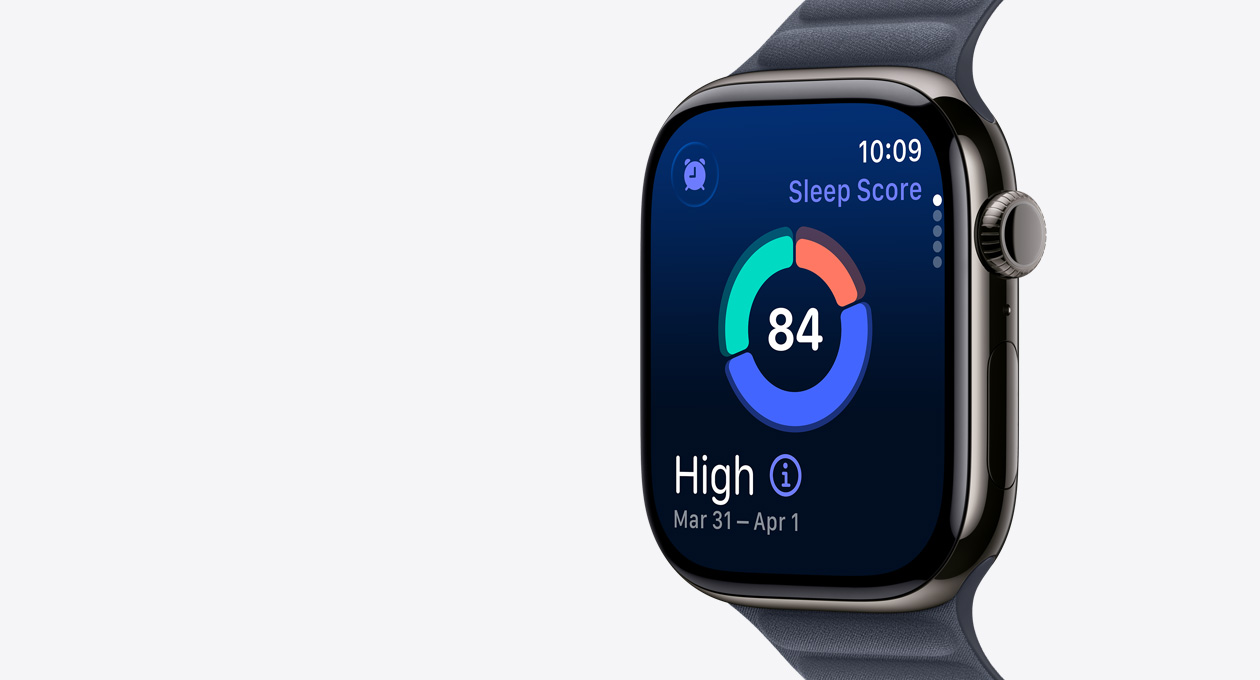
- 1-2 Years: We will see more "wellness" watches offering "Glucose Range Indicators" (High, Medium, Low) rather than specific numbers.
- 3-5 Years: We may see the first FDA-cleared non-invasive wearable for Type 2 diabetics (non-insulin dependent) to help with diet and exercise.
- 5-10 Years: The "Holy Grail"—a watch that is accurate enough for Type 1 insulin dosing—might finally arrive.
As a fellow diabetic, my advice is this: Embrace the integration we have now. Use your Apple Watch or Garmin to display your CGM data. It’s a massive win for our mental health and our management. But keep your glucometer in your bag—for now, the needle is still our most honest friend.
What do you think? Are you holding out for the first "Glucose Watch," or are you happy with the current CGM-to-watch integration? Let us know in the comments below! If you found this guide helpful, subscribe to our newsletter for the latest updates in diabetes tech.