Loading...
just-diagnosed#blood sugar management#type 2 diabetes tips#incidental exercise
The Laundry Day Low: How I Discovered 'Stealth Cardio' in My Household Chores
Blood Sugar Control
March 8, 20269 min read
When I first heard the words "Type 2 Diabetes," my world didn't just tilt; it did a full-speed somersault. If you’ve recently received a similar diagnosis, you know exactly what I’m talking about. That initial "newly diagnosed" overwhelm is a heavy, suffocating blanket. Suddenly, every bite of food feels like a potential landmine, and every moment spent sitting on the couch feels like a personal failure.
The advice I received from well-meaning friends and doctors was a chorus of: "You need to get to the gym." But here’s the thing—I hated the gym. I still kind of do. The bright fluorescent lights, the intimidating rows of clanking machines, and the pressure to perform while wearing spandex... it was all too much. I was exhausted from the mental load of tracking carbs and finger-pricking; the thought of adding a grueling 5:00 AM workout felt impossible.

I spent those first few weeks in a state of paralysis. I was terrified of exercise because I didn't know how it would affect my sugar, yet I was terrified of not exercising because I didn't want my A1C to climb. Then came a typical, exhausting Saturday morning that changed my entire perspective on what "fitness" actually looks like.
The Day the Laundry Room Became a Gym
It started innocently enough. The hamper was overflowing, the guest bed needed fresh sheets, and the towels had reached a state of "unacceptable." I decided that since I wasn't "brave enough" for the gym yet, I would at least be productive at home.
For the next two hours, I was a whirlwind. I was hauling heavy baskets of damp clothes up from the basement, reaching high to grab the detergent, bending low to clear out the dryer, and standing at the kitchen island meticulously folding a mountain of t-shirts and jeans. I wasn't "working out." I was just doing chores.
:max_bytes(150000):strip_icc()/spr-laundry-baskets-test-home-logic-2-bushel-lamper-basket-abigail-wetzler-01-1-99f2b104248d46ceafc6049b1946ffb8.jpg)
About halfway through the second load of towels, I felt it. That familiar, slightly unnerving "off" feeling. I was a bit shaky, a little sweatier than the room temperature warranted, and my heart was fluttering. My first thought was, Oh no, my sugar is spiking because I’m stressed.
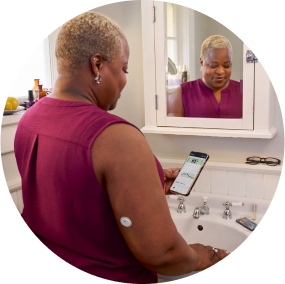
I tapped my Continuous Glucose Monitor (CGM) against my phone. I expected to see a red line climbing toward the ceiling. Instead, my jaw dropped. The graph showed a sharp, rapid downward trend. I was at 74 mg/dL and dropping fast. I was heading into a "low"—not from a treadmill or a spin class, but from the laundry.
That was my "aha!" moment. I realized that my body didn't know the difference between a fancy gym session and a Saturday morning chore marathon. To my muscles, movement is movement.
What Exactly is 'Stealth Cardio'?
In the world of metabolic health, there is a fancy term for what I discovered: NEAT. It stands for Non-Exercise Activity Thermogenesis.
Essentially, NEAT is the energy we expend for everything we do that isn't sleeping, eating, or sports-like exercise. It’s the "stealth cardio" of life. It includes walking to your car, typing at your desk, fidgeting, and—most importantly for us—household chores.

While we often focus on the 30 minutes we spend (or don't spend) at the gym, the other 23.5 hours of the day are where the real metabolic magic happens. When you engage in stealth cardio, you aren't just burning calories; you are signaling your muscles to pull glucose out of your bloodstream to use for fuel.
Unlike structured gym sessions, which can sometimes be high-intensity and actually cause a temporary rise in blood sugar due to stress hormones like cortisol and adrenaline, housework is usually sustained, low-to-moderate intensity. This makes it a powerhouse for steady, reliable glucose lowering.
Why Housework Hits Your Blood Sugar Harder Than You Think
You might be thinking, Is folding socks really that impactful? The answer lies in the duration and the type of movement.
- Sustained Movement: Most gym workouts last 30 to 45 minutes. A deep clean of your house can easily last two hours. This sustained, low-impact movement keeps your heart rate in the "fat-burning" and "glucose-clearing" zone for a much longer window of time.
- Functional Resistance Training: Think about the last time you put away groceries. You’re performing squats to get the milk from the bag to the fridge, overhead presses to put the cereal on the top shelf, and bicep curls with those heavy bags of potatoes. This is functional resistance training. Muscle is a glucose sink; the more you engage it, the more sugar it consumes.
- The Cumulative Effect: Being on your feet for an hour of vacuuming and dusting is vastly different for your metabolism than sitting at a desk. When you sit, your large leg muscles go "dormant," and your insulin sensitivity takes a hit. When you’re moving around the house, those muscles are constantly "awake" and demanding fuel.
:max_bytes(150000):strip_icc():format(webp)/alr-oung-woman-looking-for-spices-in-the-kitchen-tout-dc467194c477448e8017e0e88ed384a6.jpg)
Turning the 'Laundry Low' Into a Strategic Win
Once I realized that my chores were actually medical interventions in disguise, I stopped viewing them as a burden and started viewing them as a strategy. But I also had to learn how to do them safely. You don't want a "Laundry Low" to turn into a dangerous hypoglycemic event.
Treat Chore Day Like a Workout Session If you know you’re about to spend the morning gardening or cleaning the garage, treat it with the same respect you’d give a 5K run.
The Importance of Checking Levels Never start a "deep clean" without knowing your starting point. If I’m already on the lower end of my target range, I know that an hour of vacuuming will likely push me too low. I check my CGM or do a finger stick before I even pick up the broom.
Strategic Snacking: My 'Chore Fuel' To prevent the crash, I’ve developed a "chore fuel" routine. If I’m planning a high-activity household morning, I’ll have a small snack that combines a complex carb with a protein or fat.
- A small apple with a tablespoon of peanut butter
- A handful of almonds and a few whole-grain crackers
- A Greek yogurt with a sprinkle of cinnamon
These snacks provide a slow release of glucose that counters the "stealth cardio" draw, keeping my levels in a beautiful, flat line.

Other Secret Calorie Burners Hiding in Your To-Do List
Once you put on your "Glucose Glasses," you start seeing exercise everywhere.
The Vacuuming Marathon
Pushing and pulling a vacuum cleaner is a full-body workout. It engages your core, your lats, and your legs. If you have stairs, you’re basically doing a weighted step-up routine. I’ve seen my sugar drop 20-30 points just from doing the downstairs rugs!
Grocery Store 'Sprinting'
The big weekly shop is a metabolic goldmine. You’re walking (often for 45 minutes or more), pushing a heavy cart (resistance), and lifting heavy items (strength). I now see the grocery store as my "metabolic tune-up" for the week.
Garden Therapy
Digging, weeding, and planting are some of the best forms of exercise for blood sugar control. The constant transition from squatting to standing is a powerful stimulus for your glutes and quads—the biggest muscles in your body and your biggest glucose consumers.
:max_bytes(150000):strip_icc()/GettyImages-2191487684-34f6c7cfe5824fc6a49dba73c5883992.jpg)
Mastering the Balance: My 3-Step Routine for Chore Day
To make stealth cardio work for you without the drama of a "low," follow this simple routine:
Step 1: The Pre-Chore Check
Assess your current glucose trends. Are you stable? Are you already trending down? If you’re below 100 mg/dL and planning to be active for an hour, consider that "chore fuel" snack first.
Step 2: The Hydration Factor
Dehydration can make your blood sugar appear higher than it is (because your blood volume is lower) and can make you feel more fatigued. I keep a large water bottle with me as I move from room to room. Good hydration improves insulin sensitivity!
Step 3: The Post-Chore Cool Down
The effects of activity on blood sugar don't stop the moment you sit down. Your muscles continue to soak up glucose to replenish their stores for hours afterward. Check your levels 30 to 60 minutes after you finish your chores to ensure you aren't experiencing a delayed drop.
Reframing the Mundane: From Chores to Medicine
The most significant change for me wasn't just my A1C—it was my mindset. I stopped saying "I have to do the dishes" and started saying "This 15 minutes at the sink is helping my body process my lunch."
If you are newly diagnosed, please hear this: You do not need to run a marathon to see progress. You don't even need a gym membership. Your health is built in the small, rhythmic movements of your everyday life.
When you pick up that laundry basket, you aren't just cleaning clothes; you are taking a stand for your health. You are using your own body as a tool for healing. There is so much power in the mundane.
So, the next time you see a pile of laundry or a floor that needs mopping, don't sigh. Smile. It's time for some stealth cardio. Your blood sugar will thank you.
What’s your favorite way to get "stealth cardio" at home? Tell us in the comments below, and let’s rebrand housework together!