Loading...
tech#Tidepool Loop#FDA cleared#Automated Insulin Delivery
Tidepool Loop Launch: From DIY Roots to FDA-Cleared Hybrid Closed Loop Success
Blood Sugar Control
February 21, 20269 min read

The "We Are Not Waiting" movement was never just a hashtag; for those of us living with Type 1 Diabetes, it was a battle cry. For years, the pace of innovation in medical devices felt like it was moving at a glacial speed while we, the patients, were drowning in data and exhausted by the 24/7 demands of manual insulin management. We were tired of the "failed" alarms, the midnight finger sticks, and the constant mental math required to stay alive.
This frustration birthed a revolution. Tech-savvy patients and parents began hacking their own medical devices, writing their own code, and creating "DIY" closed-loop systems that outperformed anything on the market. Today, that underground movement has reached its ultimate milestone with the launch of Tidepool Loop. It represents the first time a community-led, patient-designed algorithm has successfully navigated the rigorous FDA clearance process to become a prescription-ready mobile app.
As someone who has lived with the constant "white noise" of diabetes management for decades, seeing Tidepool Loop move from a GitHub repository to the App Store is more than a tech update—it’s a paradigm shift. It signifies a world where the patient’s voice isn’t just heard; it’s the architect of the solution.

What is Tidepool Loop? The Basics of the Algorithm
At its core, Tidepool Loop is an automated insulin delivery (AID) app, often referred to as a Hybrid Closed Loop (HCL) system. But what does that actually mean for the person wearing it?
In a traditional setup, you have an insulin pump that delivers a steady "basal" rate and a continuous glucose monitor (CGM) that tells you your sugar levels. However, these two devices don't talk to each other. You are the bridge, making decisions every hour to adjust insulin based on what the CGM says.
Tidepool Loop acts as the "brain" that connects them. Every five minutes, the app receives a glucose reading from your CGM. The Loop algorithm then predicts where your blood sugar will be in the next few hours. If it sees you trending high, it automatically increases your insulin delivery. If it predicts a low, it throttles back or suspends insulin entirely.
What makes Tidepool Loop unique is its heritage. It wasn't designed in a corporate boardroom; it was built by people who wanted to sleep through the night without worrying about a hypoglycemic crash. It has transitioned from a DIY project that required a MacBook and a developer's license into a streamlined, FDA-cleared prescription app that your endocriner can officially support.
The 'Hacker' Heritage: A Brief History of DIY Looping
To understand why Tidepool Loop is a big deal, we have to look back at the "hacker" roots of the project. Around 2014, a small group of developers discovered that certain older Medtronic insulin pumps had a security vulnerability that allowed them to be controlled remotely via radio frequency.
This discovery led to the creation of the RileyLink, a small, handmade communication bridge that allowed an iPhone to "talk" to an old insulin pump. Thousands of T1Ds began scouring eBay for these specific "loopable" Medtronic pumps, often paying thousands of dollars for out-of-warranty hardware just to gain the freedom of automation.
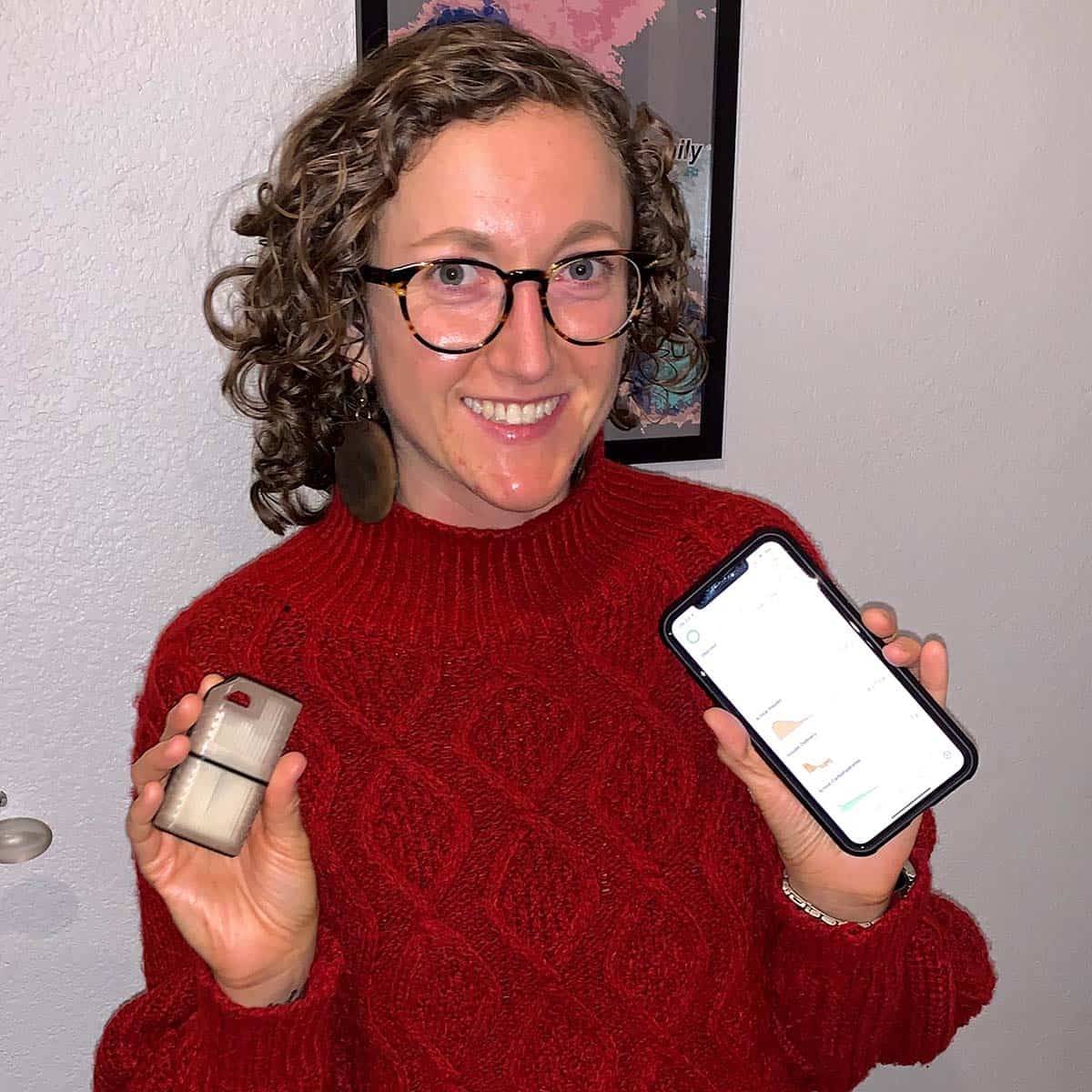
For years, "Loopers" were the pioneers of the frontier. We learned to use Xcode (the software used to build iPhone apps) just to compile the code onto our phones. We took our health into our own hands because the industry wasn't moving fast enough. Tidepool, a non-profit organization, saw this incredible community-driven success and took on the Herculean task of bringing this "hacker" tech to the masses through official regulatory channels.
The Regulatory Milestone: What FDA Clearance Actually Means
When the FDA cleared Tidepool Loop, it didn't just approve an app; it created a new category. Tidepool Loop is the first software to be cleared as an iController—an interoperable automated insulin controller.
This is a massive win for the "mix and match" philosophy. Historically, if you wanted an automated system, you had to buy everything from one company (e.g., a Tandem pump with a Dexcom sensor). The "iController" designation means Tidepool Loop is designed to work with a variety of different pumps and sensors from different manufacturers, provided they meet certain interoperability standards.
For the user, FDA clearance brings three major benefits:
- Professional Support: You can finally talk to your doctor about your Loop settings without them having to give you a "use at your own risk" disclaimer.
- Insurance Coverage: As a prescription device, the costs associated with the system can be covered by insurance providers.
- Safety Guardrails: The FDA version includes specific safety limits—such as maximum basal rates and bolus caps—that protect the general user while maintaining the core power of the algorithm.
Hardware Harmony: Compatible Pumps and Sensors
The "Loop" is only as good as the hardware it controls. Currently, the primary hardware partner for the launch of Tidepool Loop is the Omnipod DASH system.
The Omnipod DASH is a tubeless "pod" that sticks directly to your skin, making it a favorite for active individuals and those who hate being tethered to a traditional pump by a long tube. Because the DASH uses Bluetooth, it can communicate directly with your iPhone, eliminating the need for the old RileyLink "bridge" device.
On the sensing side, Tidepool Loop is designed to integrate seamlessly with the Dexcom G6, and support for the Dexcom G7 is the next logical step in the pipeline.

Practical Tip: Optimizing Your Hardware Placement
To get the best performance out of Tidepool Loop, "line of sight" (or at least "side of body") matters. Since the iPhone acts as the hub, try to wear your CGM and your Pod on the same side of your body. This reduces Bluetooth "body blocking" and ensures the 5-minute communication cycle is never interrupted.
User Experience: Transitioning from DIY to Official Tidepool Loop
If you’ve ever built the DIY version of Loop, you know the "Xcode dance." Every year, you had to plug your phone into a computer, update the code, and renew your Apple Developer certificate. It was a technical hurdle that kept many people away.
The official Tidepool Loop removes all of that. You download it from the App Store like any other app. The onboarding process is guided, helping you set your:
- Correction Ranges: Where you want the algorithm to keep you (e.g., 100–110 mg/dL).
- Basal Rates: Your baseline insulin needs.
- Insulin Sensitivity Factor (ISF): How much one unit of insulin drops your blood sugar.
- Carb Ratios: How much insulin you need for the food you eat.
One of the most beloved features of the DIY version that made it into the official app is the "Correction Range Overrides." You can set "Workout" or "Pre-meal" targets with a single tap. If you're going for a run, you can tell Loop to aim for 140 mg/dL to prevent a low. If you're about to eat a high-carb pizza, you can set a lower target to get ahead of the spike.
The Impact on Daily Life: More Than Just Numbers
We often talk about A1c and "Time in Range" (TIR), but the real benefit of Tidepool Loop is the reduction in diabetes burnout.
Living with T1D is like having a second job that you can never quit. You are constantly making decisions: I’m at 140, but I’m walking to the bus; should I take half a unit? I’m at 90, but I feel a bit shaky; should I eat five grams of carbs?
Tidepool Loop takes those 180+ daily decisions and handles the majority of them for you. The psychological relief of waking up at 105 mg/dL every single morning cannot be overstated. When you start your day with a "flat line" on your graph, you start your day with a win.

Actionable Advice for New Loopers:
- Trust the Algorithm (Slowly): When you first start, you'll be tempted to "rage bolus" when you see a high number. Resist the urge. Let the Loop do its work. If you find it's not aggressive enough, adjust your settings with your doctor rather than interfering manually.
- Pre-Bolus Still Matters: Even with the smartest algorithm in the world, insulin takes time to work. Giving your insulin 15–20 minutes to start working before you eat will always result in better post-meal numbers.
- Log Your Carbs Honestly: The Loop is smart, but it can't see what's on your plate. Accurate carb counting is still the most important input you can give the system.
The Future of Interoperable Diabetes Tech
The launch of Tidepool Loop is just the beginning. It has paved the way for a future where patients can choose the "Best in Breed" components for their care. Perhaps in a few years, you’ll be able to use a Medtronic sensor with an Omnipod pump, all controlled by a Tidepool interface on your Apple Watch.
This interoperability will force hardware manufacturers to compete on the quality of their devices rather than the "lock-in" of their ecosystems. It puts the power back into the hands of the person living with the condition.
As someone who spent years building my own apps and carrying around "bridge" devices in my pocket, seeing the Tidepool Loop icon on a standard iPhone screen feels like a victory. It’s a testament to the fact that when patients say "We Are Not Waiting," the world eventually listens.
Ready to take control? Talk to your endocrinologist about whether Tidepool Loop and the Omnipod DASH system are right for your management goals. The era of the "Do-It-Yourself" spirit, backed by "Cleared-By-FDA" safety, is finally here. For more updates on the latest in diabetes tech, subscribe to our newsletter at Blood Sugar Control.