Beyond the Gym: How the 'Ancestral Micro-Walk' Flattens Post-Prandial Glucose Spikes
Imagine the scene: you’ve just finished a delicious, satisfying meal. Within thirty minutes, a familiar heaviness sets in. Your eyelids grow heavy, your focus drifts, and you reach for a second cup of coffee to fight off the "food coma." In the world of metabolic health, this isn't just a lull in energy; it’s a signal that you are riding the post-prandial rollercoaster.
The Post-Meal Rollercoaster: Why Your Glucose Spikes Matter
When we talk about blood sugar management, most people focus on their fasting glucose or their A1c—a three-month average. While these are vital metrics, they don't tell the whole story. The real "battleground" for your health happens in the two hours immediately following a meal, known as the post-prandial period.
A post-prandial glucose spike is a rapid surge in blood sugar. While our bodies are designed to handle some fluctuation, modern diets often create "glycemic excursions" that are too high and last too long. These spikes act like a blowtorch to your vasculature, causing oxidative stress and systemic inflammation. Over time, these repeated spikes are the primary drivers of elevated A1c levels and the complications associated with insulin resistance.

The traditional "gym culture" approach to fitness tells us that if we spend an hour on the treadmill at 5:00 PM, we’ve done our duty for the day. However, if you ate a high-carb lunch at 12:00 PM and sat at a desk for four hours afterward, the damage from that glucose spike is already done. Your 5:00 PM workout cannot retroactively "undo" the inflammatory cascade triggered hours earlier. We need a strategy that addresses our metabolic needs in real-time.
The Naturopathic Perspective: Movement as Biological Medicine
As a naturopathic practitioner, I view movement not as a way to "burn calories" or "earn your food," but as a powerful form of biological signaling. Every time you move your muscles, you are sending a chemical memo to your entire system.
In an ancestral context, our predecessors didn't have "gyms." They didn't sit for eight hours and then perform high-intensity interval training for sixty minutes. Instead, their lives were characterized by constant, low-level activity: gathering, walking to water sources, and moving after communal meals. Their physiology was tuned to expect movement in tandem with nourishment.
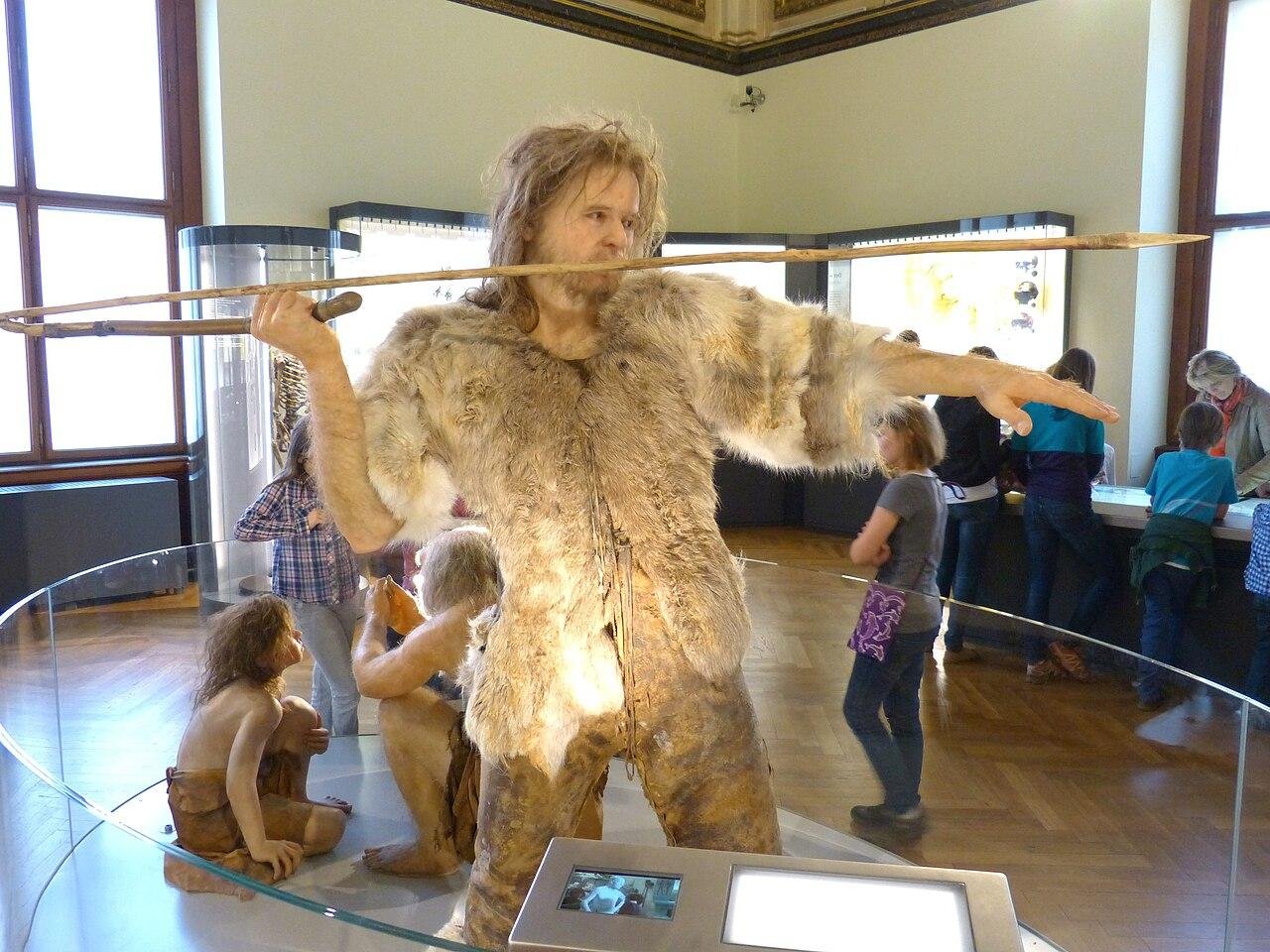
Modern life has decoupled eating from moving. We eat in a state of physiological stillness. The Ancestral Micro-Walk is a lifestyle intervention designed to bridge this gap. It is a specific, timed movement strategy that mimics our biological heritage to flatten the glucose curve before it can cause damage.
The Science of GLUT4: Clearing Sugar Without Extra Insulin
To understand why the Ancestral Micro-Walk is so effective, we have to look inside the muscle cell. Normally, to get glucose (sugar) out of your bloodstream and into your cells for energy, your pancreas must secrete insulin. Insulin acts like a key that unlocks a door called GLUT4 (Glucose Transporter Type 4).
However, in individuals with insulin resistance, the "lock" becomes rusty. The pancreas has to pump out more and more insulin to get the same amount of sugar out of the blood. This leads to hyperinsulinemia, weight gain, and eventually, Type 2 Diabetes.
Here is the "magic" of the Micro-Walk: Muscle contraction triggers GLUT4 translocation independently of insulin.

When you walk, your muscles demand fuel. This demand signals the GLUT4 transporters to move to the surface of the cell membrane and "open the gates," regardless of how much insulin is present. By engaging in a Micro-Walk, you are essentially creating a "sink" for glucose, allowing your body to clear the sugar from your meal through a "back door" that doesn't tax your pancreas. This is why short bursts of movement are often more effective for immediate glucose clearance than one long, exhausted session at the end of the day.
What is the Ancestral Micro-Walk? Defining the Strategy
The Ancestral Micro-Walk isn't a "workout" in the traditional sense. It is a strategic metabolic tool.
- The Timing: The goal is to catch the glucose rise as it begins. The ideal window is starting 10 to 15 minutes after your last bite.
- The Intensity: This is a Low-Intensity Steady State (LISS) activity. We are aiming for what I call the "Gatherer’s Pace"—a brisk but comfortable walk where you can still easily hold a conversation.
- The Duration: You only need 10 to 20 minutes.
Why not go for a vigorous run? Because strenuous exercise diverts blood flow away from the digestive tract and toward the extremities to handle the high-intensity load. This can actually impair digestion and cause gastrointestinal distress. The Micro-Walk is gentle enough to support digestion while being active enough to trigger glucose uptake.

Step-by-Step Guide to Implementing Micro-Walks
To turn this theory into a transformative habit, follow the "Golden 20" rule.
1. The Golden 20
Start your walk within 20 minutes of finishing your meal. This ensures you are active just as the carbohydrates from your meal are being broken down into glucose and entering the bloodstream.
2. Environmental Integration
You don’t need a trail or a treadmill.
- At Home: Pace through your house, walk the perimeter of your backyard, or even do some light tidying up.
- At the Office: Walk down the hall to a distant water cooler or take a lap around the parking lot.
- In the City: Simply walk around the block.
3. The 'Staircase Secret'
If you are short on time, use verticality. Taking two or three flights of stairs at a slow, steady pace increases muscle recruitment (especially in the large glute and quad muscles) compared to flat ground. This "supercharges" the GLUT4 translocation in a shorter period.

Stacking the Benefits: Combining Micro-Walks with Holistic Pillars
To maximize the impact of your Ancestral Micro-Walk, we can "stack" other naturopathic principles onto the habit.
The Hydration Factor
Blood viscosity plays a role in how easily glucose is transported and cleared. Drinking a glass of filtered water (perhaps with a squeeze of lemon or a pinch of sea salt) 10 minutes before your meal ensures your blood is optimally hydrated, making the "glucose-to-muscle" transport during your walk more efficient.
Vagal Tone and Digestion
The Vagus nerve is the commander of your "rest and digest" (parasympathetic) nervous system. Gentle walking stimulates the Vagus nerve, which in turn promotes healthy peristalsis—the rhythmic contractions of the digestive tract. This ensures that while you are clearing sugar, you are also absorbing nutrients effectively.
Mindful Strides
Stress is a hidden driver of high blood sugar. When we are stressed, our bodies release cortisol, which tells the liver to dump more glucose into the blood for "fight or flight." By turning your Micro-Walk into a mindful practice—focusing on your breath and the sensation of your feet hitting the ground—you lower cortisol and prevent this secondary glucose spike.

Overcoming Common Obstacles to Post-Meal Movement
The biggest hurdle isn't the walk itself; it’s the environment we live in.
- The 'Office Trap': If you can't leave your desk, try "desk yoga" or standing calf raises. Even standing for 15 minutes after a meal is significantly better for glucose levels than sitting.
- Weather and Convenience: If it’s pouring rain, don't skip the movement. Put on a 10-minute "walking workout" video on YouTube or do a few laps of your living room while listening to a podcast.
- Building the Habit: Use "if-then" planning. Tell yourself: "If I finish my lunch, then I will walk for 10 minutes." This removes the "decision fatigue" and makes the movement as automatic as brushing your teeth.

Conclusion: Reclaiming Your Metabolic Rhythm
Managing your blood sugar doesn't have to mean a lifetime of restrictive dieting or grueling, hour-long gym sessions. By implementing the Ancestral Micro-Walk, you are reclaiming a fundamental human rhythm. You are using your muscles for exactly what they were designed for: to be the primary metabolic engine of your body.
The long-term benefits of flattening your glucose curve are profound: more stable energy throughout the day, better sleep, easier weight management, and a significantly lower risk of chronic disease. You are shifting from being a passive passenger on the glucose rollercoaster to being the master of your own metabolism.
Your challenge: After your very next meal—whether it’s breakfast, lunch, or dinner—set a timer for 15 minutes. Step outside, find a staircase, or simply pace your hallway. Start your first Ancestral Micro-Walk and feel the difference in your energy immediately. Your pancreas will thank you.