Master Your Metabolism with the Digital Dusk Protocol: How Blue Light Blocking Lowers Blood Sugar

Introduction: The Hidden Link Between Your Smartphone and Your Syringe
You’ve done everything right. You’ve swapped the processed cereals for avocado and eggs. You’ve mastered the art of the post-dinner walk. You’ve even cut out the "hidden sugars" in your salad dressings. Yet, when you wake up and check your glucose monitor, the numbers tell a different story. You’re staring at a "midnight spike" or a stubborn morning fasting glucose that refuses to budge.
As a naturopathic practitioner, I see this daily. Patients come to me frustrated, feeling like their bodies are betraying them. But often, the culprit isn't what’s on their plate—it’s what’s in their eyes.
We are currently living through a modern epidemic of light-driven metabolic dysfunction. In the world of naturopathic medicine, we view light not just as a way to see, but as a potent metabolic nutrient. Just as your body reacts to a candy bar with an insulin surge, it reacts to the high-frequency blue light from your smartphone, tablet, and LED overheads with a biochemical cascade that drives blood sugar upward.

Welcome to the Digital Dusk Protocol. This isn't just another "sleep hygiene" tip; it is a comprehensive, non-pharmacological intervention designed to realign your internal clock with your metabolic needs. By mastering the transition from day to night, we can unlock a level of glycemic control that diet and exercise alone often fail to achieve.
The Biology of the Night: Why Light Matters for Insulin
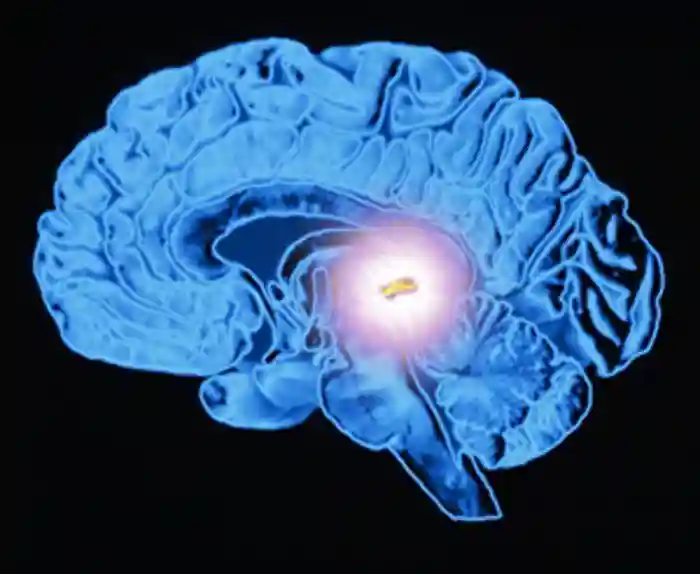
To understand why your phone affects your A1c, we have to look at the brain’s master clock: the Suprachiasmatic Nucleus (SCN). Located in the hypothalamus, the SCN is the conductor of your metabolic orchestra. It uses light signals from the environment to tell your organs when to burn energy and when to store it.
The Melatonin-Insulin Axis
When the sun sets, your SCN is supposed to signal the pineal gland to release melatonin. We often call melatonin the "hormone of darkness," but it is also a powerful metabolic regulator. Melatonin actually communicates directly with the pancreas. In a natural state, as melatonin rises, it prepares the body for a period of fasting (sleep), helping to maintain a stable, low level of glucose production.
However, blue light—the specific wavelength emitted by digital screens—tricks the SCN into thinking it is high noon. This suppresses melatonin production instantly. When melatonin is suppressed, the "Melatonin-Insulin axis" is disrupted. The pancreas doesn't get the signal to shift into its nighttime rhythm, and the body remains in a state of high-alert glucose mobilization.
Cortisol and the "Second Dawn"
Furthermore, blue light exposure late at night triggers a spike in cortisol, our primary stress hormone. Cortisol is a "glucocorticoid," a name that literally implies its role in increasing glucose. Cortisol signals the liver to dump stored sugar into the bloodstream via a process called gluconeogenesis. This is why you might see a "rebound" spike at 11:00 PM after scrolling through social media, even if you haven't eaten since 6:00 PM.
Defining the Digital Dusk Protocol
The Digital Dusk Protocol is a holistic strategy for resetting your glycemic baseline. Unlike standard advice that suggests "putting the phone away 30 minutes before bed," this protocol recognizes that metabolic repair requires a more significant buffer.
The goal of the protocol is to achieve a stable, flat-line glucose reading from the moment you fall asleep until the sun rises. We do this by creating a simulated "dusk"—a three-hour window where we progressively eliminate the biological signals that drive blood sugar up.
This isn't about living in a cave; it’s about using technology and environment design to protect your pancreas. We break this down into three distinct phases: Physical Environment, Optical Defense, and Metabolic Buffering.
Phase 1: The Amber Shift (Physical Environment)
The first step in the Digital Dusk Protocol is transforming your home from a metabolic disruptor into a healing sanctuary. Most modern homes are outfitted with "Cool White" LED bulbs. These bulbs are heavy in the blue spectrum, which is excellent for productivity at 10:00 AM but disastrous for blood sugar at 8:00 PM.
Swapping the Spectrum
The protocol begins by replacing overhead lighting in the primary living areas and bedrooms with amber or red-toned bulbs. Amber light lacks the high-frequency blue wavelengths that suppress melatonin. When your environment shifts to these warmer tones, your SCN begins the "metabolic wind-down," allowing insulin sensitivity to remain higher as you head toward sleep.
Red-Light Therapy for Pancreatic Rest
As a naturopathic intervention, I often recommend the use of targeted red-light therapy (photobiomodulation) during this phase. Spending 10–15 minutes near a low-EMF red light panel in the evening can help lower systemic inflammation and support mitochondrial health in the pancreas. It signals to the body that the "work day" for your metabolism is over.
Creating the 'No-Blue Zone'
The bedroom must be a sacred space. This means no televisions, no charging phones on the nightstand, and the use of blackout curtains. Even a small amount of light hitting the skin or leaking through eyelids can disrupt the SCN and trigger a minor cortisol release, leading to those frustrating morning "fasting" spikes.

Phase 2: Optical Defense (The Tools of the Trade)
We understand that in the modern world, avoiding screens entirely for three hours is a challenge. This is where Optical Defense comes in. If you must use technology, you need to filter the light before it reaches your retinas.
Clear vs. Amber vs. Red Lenses
Not all "blue blockers" are created equal.
- Clear Lenses: These usually only block 10-20% of blue light. They are insufficient for the Digital Dusk Protocol.
- Amber Lenses: These block about 60-80%. They are a great "bridge" for early evening.
- Red Lenses: These are the gold standard. Red lenses block 100% of blue and green light (green light also has a minor suppressive effect on melatonin). For the final two hours before bed, red-lensed glasses are mandatory for anyone struggling with nighttime glucose spikes.
Why Software Isn't Enough
Many patients rely on "Night Shift" (iOS) or "f.lux" (Windows/Mac). While these are helpful, they are not a complete solution for diabetics. These software solutions change the color of the screen, but they cannot change the backlight technology of the device itself, which often still leaks blue light. Software is a supplement to—not a replacement for—physical glasses.
Darkness Supplementation
Think of total darkness as a supplement. Just as you might take Vitamin D for bone health, you should "take" 30 minutes of total darkness or dim red light before closing your eyes. This "Darkness Supplementation" ensures that the melatonin-insulin axis is fully primed, ensuring that your liver doesn't initiate an unwanted glucose dump in the middle of the night.

Phase 3: The Metabolic Buffer (Timing and Nutrition)
The Digital Dusk Protocol reaches its maximum efficacy when paired with specific nutritional timing. We call this the Metabolic Buffer.
Early Time-Restricted Feeding (eTRF)
The synergy between light and food is undeniable. To master your metabolism, the "Digital Dusk" should ideally begin at the same time as your "Digestive Dusk." I recommend ending all caloric intake at least three hours before bed. When you combine the lack of blue light with a fasted state, you allow your insulin levels to drop to their natural baseline, facilitating deep cellular repair and fat oxidation overnight.
Natural Allies: Magnesium and Inositol
During the transition into Digital Dusk, certain nutrients can act as "braking systems" for the nervous system.
- Magnesium Glycinate: Magnesium is essential for over 300 enzymatic reactions, including those that regulate blood sugar. Taking magnesium in the evening supports GABAA receptors, helping to counteract any blue-light-induced cortisol.
- Myo-Inositol: Often used in PCOS management for its insulin-sensitizing effects, Inositol also has a calming effect on the brain. It helps "quiet" the metabolic noise, making the Digital Dusk Protocol even more effective.
Reducing Cortisol-Driven Hunger
Have you ever noticed that the more you scroll on your phone late at night, the more you crave sugary snacks? This isn't a lack of willpower; it’s biology. Blue light triggers the hunger hormone ghrelin and suppresses the satiety hormone leptin. By following the Digital Dusk Protocol, you effectively "turn off" these late-night cravings, making it effortless to stick to your nutritional goals.

Measuring Success: CGMs and the Morning Fasting Glucose
The beauty of the Digital Dusk Protocol is that it is measurable. If you use a Continuous Glucose Monitor (CGM), you will likely see a visual representation of your success within the first 48 to 72 hours.
What to Look For
Before the protocol, your CGM graph might look like a mountain range—spiking after dinner and staying elevated or "bumpy" throughout the night. After implementing the protocol, you are looking for the "Glycemic Flat-Line." This is a steady, horizontal line that stays within your target range (ideally 70-90 mg/dL for non-diabetics, or a stable personalized target for those with diabetes) throughout the entire sleep cycle.
Expected Timelines
- Days 1-3: Improved sleep quality and a noticeable reduction in "dawn phenomenon" (lower morning fasting numbers).
- Weeks 2-4: Increased insulin sensitivity during the day. Because your body rested properly at night, your cells are more responsive to insulin the following day.
- 3 Months: Potential improvements in A1c levels as the cumulative effect of stable nighttime glucose begins to show in your long-term averages.
Troubleshooting the 'Rebound Spike'
In the first week, some people experience a "rebound spike." This happens when the body, used to high nighttime cortisol, overcompensates as it adjusts to the new light rhythm. If this happens, don't give up. Stick to the amber light and the 3-hour buffer; your nervous system will eventually find its equilibrium.

Conclusion: Reclaiming Your Natural Rhythm
Managing blood sugar has long been framed as a battle of "what not to eat." But the Digital Dusk Protocol shifts the focus from restriction to alignment. By respecting the ancient relationship between light and metabolism, you stop fighting your biology and start working with it.
This protocol is an empowering shift. You aren't just "managing" a disease; you are proactively healing your metabolic signaling. You are giving your pancreas the rest it deserves and your liver the signals it needs to stay calm.
Your Digital Dusk Challenge
I encourage you not to overhaul everything tonight. Start small:
- Buy one pair of amber or red-lensed glasses.
- Put them on at 8:00 PM tonight.
- Turn off your overhead LED lights and use a bedside lamp instead.
Start with just 15 minutes of "Digital Dusk" and build your protocol from there. Your metabolism has a memory, and it’s time to give it some better memories of the night.
Are you ready to see what happens to your numbers when the sun—and the screens—finally go down? Join the Digital Dusk challenge today and reclaim your natural rhythm.
