The Gut-Glucose Connection: How Your Microbiome Impacts Blood Sugar
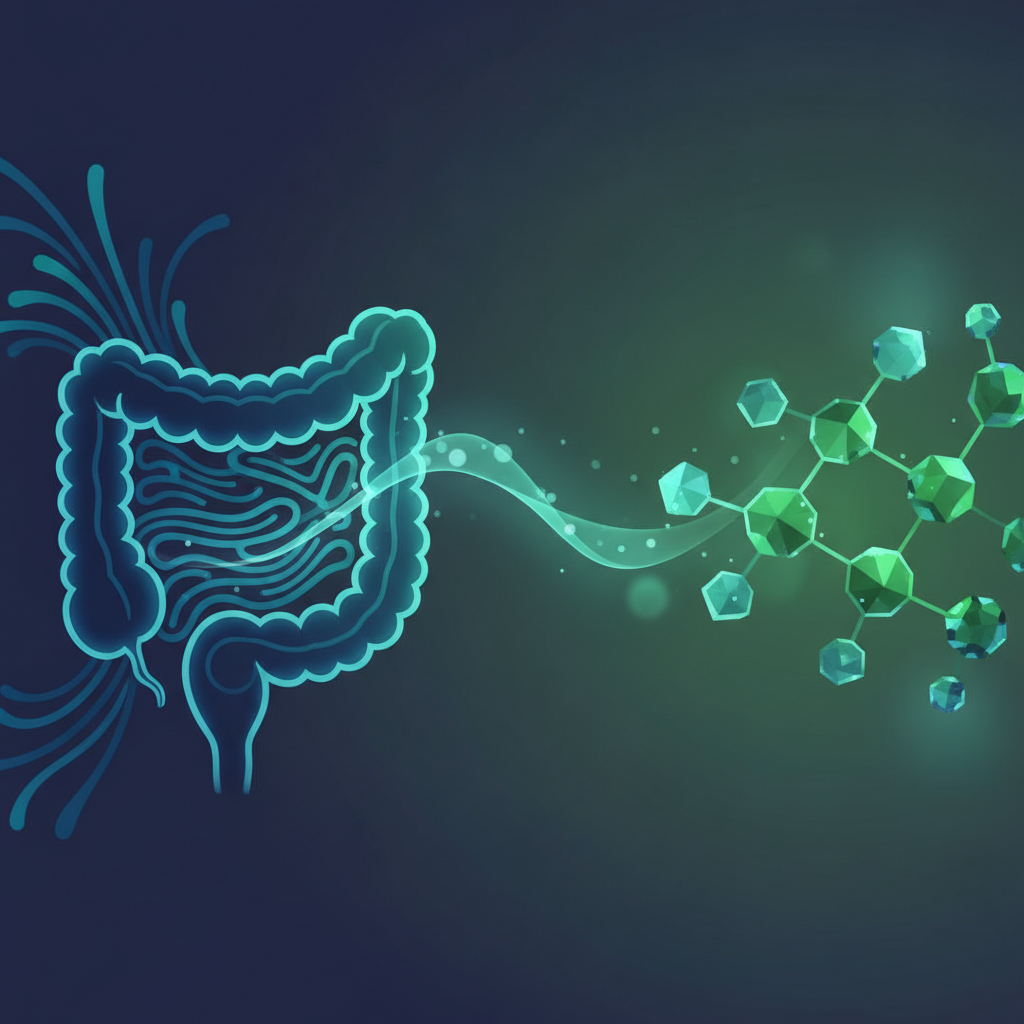
When we talk about blood sugar management, the conversation usually centers on carbohydrates, insulin injections, and exercise. While these are foundational, there is an invisible "middleman" that often dictates how your body processes every bite you eat: your gut microbiome.
The gut microbiome is a vast, complex ecosystem consisting of trillions of bacteria, fungi, and viruses living primarily in your large intestine. For decades, we viewed the gut simply as a tube for digestion. However, modern science has revealed it is actually a powerhouse of metabolic health. A diverse and thriving microbiome acts as a silent partner in maintaining glucose homeostasis, helping your body keep blood sugar levels within a healthy range.

How Gut Bacteria Influence Insulin Sensitivity
Your gut bacteria do far more than just break down fiber; they produce chemical signals that talk directly to your metabolic system. One of the most important signals comes from Short-Chain Fatty Acids (SCFAs), such as butyrate. When "good" bacteria ferment fiber, they produce these SCFAs, which have been shown to improve insulin sensitivity and reduce the amount of glucose the liver produces.
Furthermore, certain gut microbes stimulate the release of Glucagon-like Peptide-1 (GLP-1). This is the same hormone that modern weight-loss and diabetes medications mimic. Naturally produced GLP-1 slows down gastric emptying and tells your pancreas to release insulin in response to a meal. If your microbiome is out of balance, this signaling pathway can weaken, leading to higher post-meal spikes.
Finally, a healthy gut barrier prevents "leaky gut" (intestinal permeability). When the gut lining is compromised, inflammatory markers like lipopolysaccharides (LPS) can enter the bloodstream. This triggers systemic inflammation, a primary driver of insulin resistance.

Signs of Gut Dysbiosis and Its Impact on Glucose
When the balance of "good" versus "bad" bacteria shifts, it’s known as dysbiosis. This imbalance can sabotage even the most disciplined blood sugar management plan. Common signs of dysbiosis include chronic bloating, gas, irregular bowel movements, and "brain fog."
One of the most frustrating symptoms of dysbiosis is intense sugar cravings. Certain opportunistic bacteria and yeast (like Candida albicans) thrive on simple sugars. These microbes can actually manipulate your appetite signals, making you crave the very foods that spike your blood sugar.
Have you ever noticed an unexpected blood sugar spike after eating a meal that should have been "safe"? If your gut flora is imbalanced, your body may struggle to process even healthy complex carbohydrates efficiently, leading to glucose volatility that seems to defy logic.

Feeding Your Flora: Best Foods for Gut Health and Glucose Stability
To improve your blood sugar from the inside out, you must feed the "good" guys. This involves two categories: prebiotics and probiotics.
The Power of Prebiotic Fibers
Prebiotics are the non-digestible fibers that act as fuel for beneficial bacteria. To support your microbiome, incorporate:
- Garlic and Onions: Rich in inulin, which promotes the growth of Bifidobacteria.
- Asparagus: A great source of fiber that supports gut lining integrity.
- Green Bananas or Cooked and Cooled Potatoes: These contain resistant starch, which is a superstar for producing butyrate.
Incorporating Fermented Foods
Probiotic-rich foods introduce live beneficial cultures into your system. When choosing these, it is vital to check for added sugars, which are often found in commercial yogurts.
- Kimchi and Sauerkraut: Fermented vegetables that provide a punch of probiotics and fiber.
- Kefir: A fermented milk drink that is often better tolerated than regular dairy.
- Tempeh: A fermented soy product that provides stable protein and gut support.
Pro-Tip: Aim for diversity. Research suggests that people who eat more than 30 different types of plant foods per week have significantly more diverse microbiomes than those who eat fewer than ten.

Lifestyle Habits to Support Your Microbiome and Metabolism
Your gut bacteria are sensitive to your environment. Chronic stress, for example, increases cortisol, which can increase gut permeability and lead to higher blood sugar levels. Practicing daily stress management, such as deep breathing or meditation, protects both your gut and your glucose.
Physical activity is another gut-booster. Regular movement has been shown to increase the diversity of the microbiome, particularly the species that produce health-promoting SCFAs. Similarly, sleep deprivation can shift the microbiome toward a profile associated with obesity and type 2 diabetes in as little as two nights.
Lastly, be mindful of what you drink. While hydration is essential, some studies suggest that certain artificial sweeteners, like Splenda (sucralose) or Saccharin, may negatively alter the composition of gut bacteria and paradoxically worsen insulin resistance. Stick to water, herbal teas, or small amounts of stevia if needed.

Conclusion: A Wholistic Approach to Metabolic Wellness
The relationship between your gut and your glucose is a two-way street. By nurturing your microbiome, you aren't just improving digestion; you are building a biological shield against blood sugar instability.
Managing blood sugar is a marathon, not a sprint. You don't need to change everything overnight. Start by adding one serving of fermented vegetables to your dinner or swapping a processed snack for a high-fiber prebiotic food. These small, consistent shifts will foster a resilient microbiome, making your journey toward metabolic health smoother and more sustainable.