The Movement Snack Revolution: How 2-Minute Micro-Workouts Transform Blood Sugar Control
Imagine you’ve spent an hour at the gym, sweating through a high-intensity spin class or lifting heavy weights. You feel accomplished, and rightfully so. But then, you head to the office and sit at a desk for the next eight hours, followed by a relaxing evening on the couch. By the time you check your Continuous Glucose Monitor (CGM) or pricked your finger, you’re shocked to see your blood sugar levels are stubbornly high or swinging like a pendulum.
How is that possible? You did the work, didn't you?
The truth is, our bodies weren't designed for the "one and done" approach to fitness. For those of us navigating the complexities of blood sugar management, the traditional gym model is failing us. Welcome to the Movement Snack Revolution. At Pro Dive Vibes, we believe that the secret to metabolic mastery isn't found in a grueling 60-minute session once a day, but in the tiny, intentional bursts of movement scattered throughout your waking hours. These "movement snacks" are the ultimate biohack for stabilizing glucose, increasing insulin sensitivity, and reclaiming your energy.
Rethinking Exercise: Why Your Gym Membership Isn't Enough
We’ve been sold a lie: that a morning workout grants us a "metabolic pass" for the rest of the day. Modern science has identified a frustrating phenomenon known as the 'Active Sedentary' trap. This describes individuals who meet the recommended guidelines for exercise (about 150 minutes a week) but spend the vast majority of their remaining time sitting.
When you sit for prolonged periods, your body enters a state of metabolic hibernation. The large muscles in your legs and glutes—your primary "glucose sinks"—go quiet. The enzymes responsible for breaking down fats and clearing sugar from your bloodstream, such as lipoprotein lipase (LPL), drop significantly. Even if you crushed it at the gym at 7:00 AM, by 2:00 PM, your body is struggling to process the glucose from your lunch because your muscles have been dormant for hours.
Furthermore, the "all-or-nothing" mentality is the enemy of the diabetic metabolism. We often think that if we don't have an hour to change, drive to the gym, and shower, then the movement "doesn't count." This mindset leads to hours of stagnation, allowing blood sugar to pool in the vessels, damaging delicate tissues and causing that dreaded brain fog. To keep glucose stable, we need to stop thinking about "exercise" and start thinking about "circulation and disposal."

What Exactly is a 'Movement Snack'?
A movement snack is exactly what it sounds like: a bite-sized portion of physical activity, usually lasting between 1 to 3 minutes, performed frequently throughout the day. Unlike a traditional workout, a movement snack doesn't require a change of clothes, a gym membership, or even a drop of sweat.
The shift here is from "working out" to intentional movement. The goal isn't to burn 500 calories in one go; the goal is to signal to your cells that they need energy now. By performing two minutes of air squats or a brisk walk up a flight of stairs, you are essentially "waking up" your metabolic machinery.
The core philosophy of the Pro Dive Vibes approach is Frequency over Duration. Your metabolism is like a fire; rather than throwing one giant log on it in the morning and hoping it burns all day, we are tossing in small handfuls of kindling every hour to keep the flames steady and bright.

The Science of Stability: How Micro-Bursts Lower Blood Sugar
Why are these tiny bursts so effective? It all comes down to a protein called GLUT4.
Think of your cells as high-security vaults and glucose as the money trying to get inside. Usually, you need a key—insulin—to open the vault door. However, in people with insulin resistance or Type 2 diabetes, the locks are rusty, and the keys don't work well.
This is where movement snacks work their magic. When your muscles contract intensely—even for just 60 seconds—your body triggers the GLUT4 transporters to move to the surface of the cell membrane. These transporters act like a "back door," allowing glucose to enter the muscle cells without needing extra insulin. This is known as the "Muscle Sponge" effect. By contracting your muscles, you are physically soaking up the excess sugar from your bloodstream.
Research highlights have shown that breaking up prolonged sitting with just two minutes of walking or simple bodyweight exercises every half hour is significantly more effective at lowering post-meal glucose and insulin levels than one continuous 30-minute bout of exercise. For A1C reduction, these frequent "shocks" to the system keep the average glucose lower across a 24-hour period.

Why Micro-Workouts Outperform the Gym for Daily Management
While the gym builds strength and cardiovascular endurance, movement snacks are the kings of daily glucose management.
- Managing the 'Postprandial Spike': The biggest challenge for most people is the spike that occurs 30 to 60 minutes after eating. A gym session at 5:00 PM does very little to mitigate the damage of a high-carb breakfast at 8:00 AM. A movement snack timed perfectly after a meal, however, catches that sugar as it enters the blood and shunts it directly into the muscles.
- Lowering the Psychological Barrier: The biggest reason people stop exercising is that it feels like a chore. Movement snacks remove the friction. You don't need a sports bra, you don't need to drive anywhere, and you definitely don't have "no time." Everyone has two minutes.
- The Power of Frequency: By moving every hour, you prevent the "stagnant blood" effect. You keep your lymphatic system moving and your metabolic rate slightly elevated all day long, rather than letting it crash into the basement.

The Pro Dive Vibes 'Movement Snack Menu'
Ready to start? You don't need equipment. Here is your Pro Dive Vibes menu to mix and match throughout the day:
Strength Snacks (The Glucose Sponges)
- Air Squats: The king of movement snacks. Use your largest muscles (quads and glutes) to soak up the most sugar. Aim for 20-30 reps.
- Wall Pushes: Stand a few feet from a wall, place your hands on it, and perform "standing pushups." Great for the chest and arms.
- Counter-top Calf Raises: While waiting for the coffee to brew, rise up on your toes 40 times. Your calves are surprisingly effective at glucose disposal.
Cardio Snacks (The Heart Pumpers)
- High Knees: Jog in place, bringing your knees up to your waist for 60 seconds.
- Shadow Boxing: Channel your inner Rocky. Throw punches at the air with intensity for two minutes.
- The Stairwell Sprint: If you’re in an office or apartment, run up and down one flight of stairs three times.
Functional Snacks (The Multi-Taskers)
- The Laundry Carry: Pick up that heavy laundry basket and do 10 overhead presses before carrying it to the next room.
- Power-Cleaning Intervals: Set a timer for 3 minutes and clean your kitchen as fast as you possibly can. The bending, reaching, and scrubbing are fantastic metabolic triggers.

The Golden Window: Timing Your Snacks for Maximum Impact
Timing is the "secret sauce" of the Movement Snack Revolution. To get the most bang for your buck, follow these three rules:
1. The 15-30 Minute Post-Meal Rule
The best time to "snack" is about 15 to 30 minutes after you finish your last bite of food. This is when glucose starts to rise in the bloodstream. By moving now, you blunt the peak of the spike, turning a mountain-shaped glucose graph into a gentle rolling hill.
2. Breaking the 'Desk Lock'
If you work a sedentary job, set a "60-minute alarm." Every hour on the hour, stand up and move for 2 minutes. This resets your insulin sensitivity and prevents the metabolic shutdown that occurs during prolonged sitting.
3. Combating the 'Dawn Phenomenon'
Many people wake up with high blood sugar due to the liver releasing glucose to prepare the body for the day. A quick 2-minute movement snack—like some gentle stretching followed by 20 squats—immediately upon waking can help signal the body to use that dumped glucose, bringing your fasting numbers down faster.
Overcoming the 'It’s Not Enough' Mindset
The biggest hurdle isn't physical; it's mental. We are conditioned to think that if we aren't exhausted, it didn't work. But remember: The cumulative effect is massive.
If you do ten 2-minute movement snacks a day, you have completed 20 minutes of high-intensity metabolic conditioning. That is 140 minutes a week of pure glucose disposal.
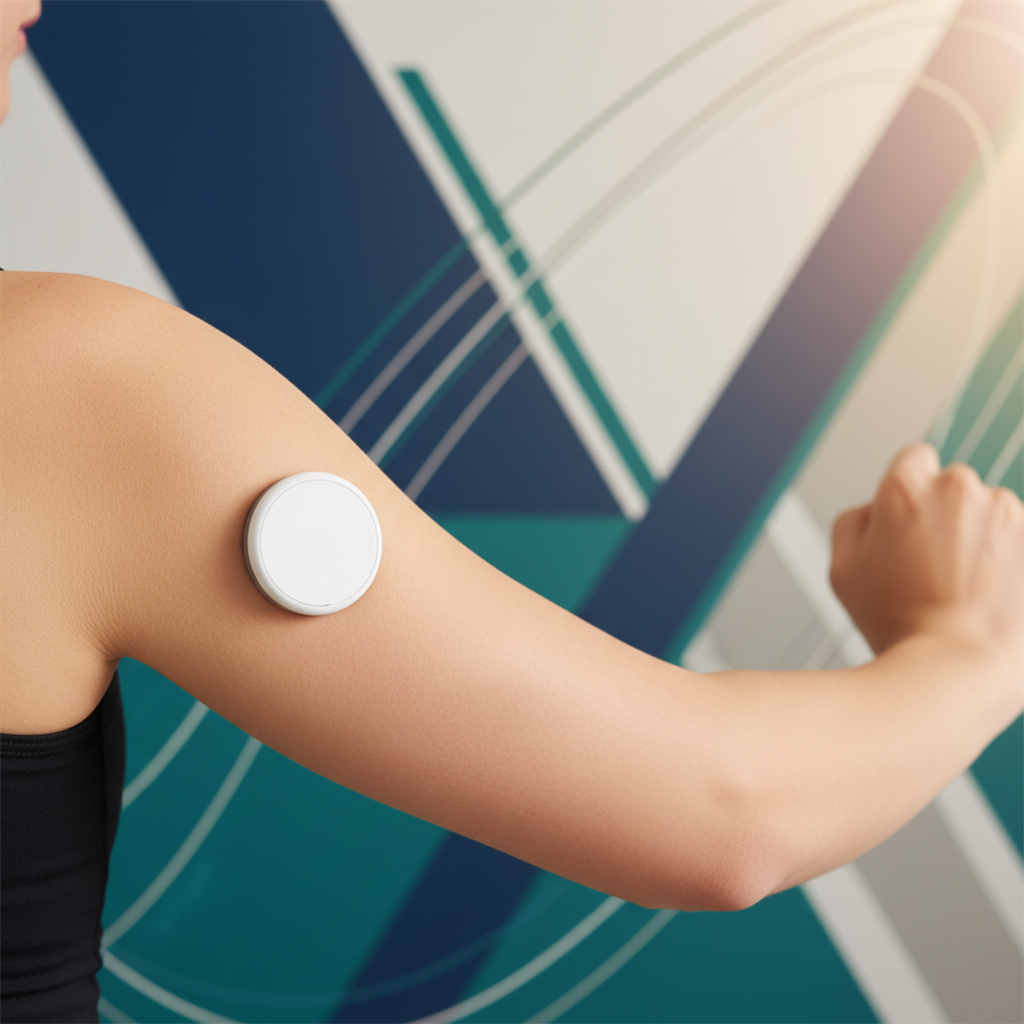
The best way to overcome this mindset is to track your success. If you use a CGM like the Dexcom G7 or FreeStyle Libre 3, watch what happens to your line after a 2-minute burst of squats. You will see the line flatten or even dip. That immediate bio-feedback is the best motivation there is.
Finally, use habit stacking. Attach your movement snack to something you already do.
- Finished a bathroom break? Do 10 wall pushups before leaving.
- Ending a Zoom call? Do 20 jumping jacks.
- Waiting for the microwave? Do calf raises.
Conclusion: Embracing the Micro-Revolution for Long-Term Health
The Movement Snack Revolution is about reclaiming your power. It’s about realizing that you don't need to be an athlete to have an athletic metabolism. By shifting your focus from "the gym" to "the moment," you can maintain steady energy levels, lower your A1C, and stop the exhausting roller coaster of blood sugar spikes and crashes.
Every 2-minute burst is a win. Every air squat is a message to your cells that you are in control. This isn't just about fitness; it's about a lifestyle that supports your biology rather than fighting it.
Call to Action: Don't just read this and move on to the next tab. Stand up right now—yes, right now—and do 20 air squats or march in place for 60 seconds. Feel your heart rate rise just a little. That is your metabolism waking up. Welcome to the revolution.
