Vagus Nerve Activation: 5 Non-Physical Hacks to Stop Stress from Ruining Your A1C
The Invisible Saboteur: Why Emotional Stress is Your A1C’s Worst Enemy
You’ve done everything "by the book." You’ve swapped the white bread for quinoa, you’re hitting your step goals, and you’re diligent with your medication. Yet, when you check your glucose monitor, the numbers are stubbornly high. It’s frustrating, demoralizing, and frankly, it feels like your body is betraying you. But what if the problem isn’t what you’re eating, but how your nervous system is reacting to your life?
Enter the world of Stress-Induced Hyperglycemia. When you experience emotional stress—whether it’s a demanding boss, a traffic jam, or chronic anxiety—your body doesn't distinguish that from a physical threat like a predator. Your adrenals pump out cortisol and adrenaline, signaling your liver to perform a "glucose dump." This is a survival mechanism designed to give your muscles quick energy to fight or flee. However, in our modern world, we usually just sit at our desks with that extra sugar circulating in our blood, leading to spiked readings and a creeping A1C.

As a naturopathic practitioner, I see this daily. Traditional diabetes management often treats the body like a calculator: Carbs in vs. Insulin out. But humans are not calculators; we are complex biological ecosystems. If your nervous system is stuck in a chronic state of "Fight or Flight" (the Sympathetic Nervous System), your insulin sensitivity plummets. You can eat all the steamed broccoli in the world, but if your internal alarm is screaming, your blood sugar will remain elevated. To truly master your A1C, we must treat the person, not just the glucose reading. We must move from "Fight or Flight" into "Rest and Digest."
Meet the Vagus Nerve: Your Body’s Built-in Blood Sugar Stabilizer
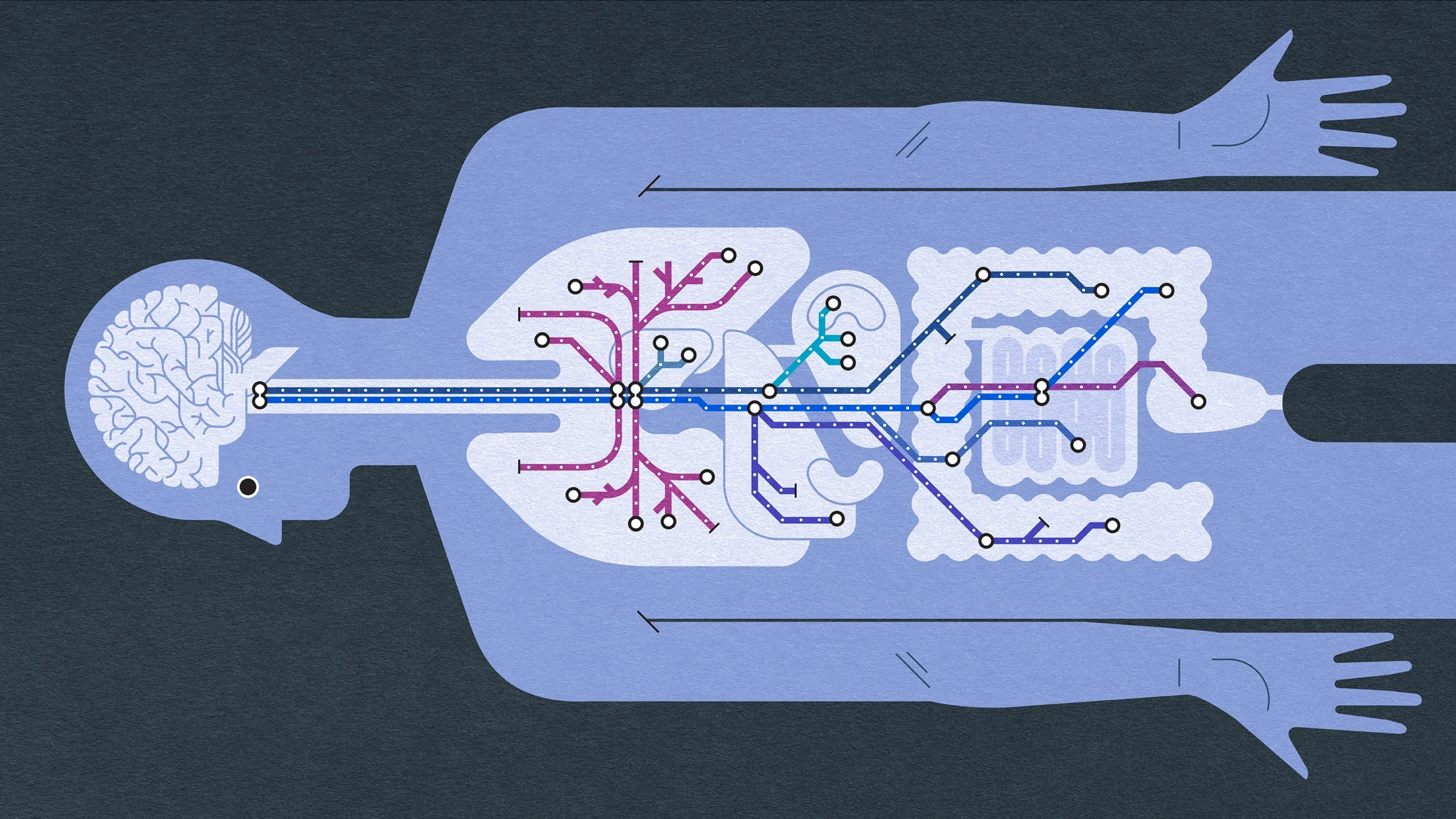
If the sympathetic nervous system is the accelerator for your stress levels, the Vagus Nerve is the ultimate brake pedal. Known as the "Wandering Nerve," the Vagus is the longest cranial nerve in your body, stretching from your brainstem all the way down to your colon, touching your heart, lungs, and—crucially—your digestive organs along the way.
The Vagus Nerve is the CEO of your Parasympathetic Nervous System. When it is "toned" and active, it sends a signal to your entire body that the environment is safe. This has a profound impact on your metabolism. High "vagal tone" is associated with lower systemic inflammation and, most importantly, improved insulin sensitivity. When the Vagus Nerve is firing correctly, it encourages the pancreas to release insulin efficiently and tells the liver to stop pumping out unnecessary glucose.
The best part? You don't need a gym membership to activate it. For those dealing with chronic fatigue, neuropathy, or mobility issues that make traditional exercise difficult, "Vagal Hacks" provide a non-physical gateway to metabolic health. By using the following five non-physical techniques, you can manually flip the switch from stress to stability.
1. The Humming Secret: Using Vocal Vibrations to Lower Insulin Resistance
It might sound strange, but your voice is one of the most powerful tools in your metabolic toolkit. The Vagus Nerve passes directly through the larynx and pharynx in your throat. When you create sustained, rhythmic vibrations through humming or chanting, you are physically stimulating the vagal trunk.
In the world of yoga, this is known as Bhramari Pranayama, or "Bee Breath." Scientific studies have shown that this specific type of humming increases the production of nitric oxide—a vasodilator—and shifts the heart rate variability (HRV) into a parasympathetic state within minutes.
How to do it for Blood Sugar Control:
- Sit comfortably and close your eyes.
- Take a deep breath in through your nose.
- As you exhale, keep your lips closed and make a steady, low-pitched "hmmmm" sound.
- Focus on feeling the vibration in your chest, throat, and head.
- Repeat for 5 minutes, especially right before a meal.
By humming before you eat, you prime your body to receive nutrients. You shift your metabolic state from "stressed" to "ready," ensuring that your insulin response is optimized before the first bite even hits your tongue.

2. Thermal Biohacking: The 30-Second Cold Splash for Metabolic Resilience
Sometimes, the nervous system gets "stuck" in a high-cortisol loop, and you need a physical "reset button." This is where the Mammalian Dive Reflex comes in. When your face is submerged in or splashed with cold water, your body instantly triggers a vagal response to conserve energy. This results in an immediate lowering of the heart rate and a calming of the adrenal glands.
For someone with diabetes, acute emotional stress can cause a "spike" that lasts for hours. Cold-water stimulation acts as a circuit breaker for that spike. Long-term, regular cold exposure has even been shown to improve fasting blood sugar levels by increasing the activation of "brown fat," which burns glucose for heat.
The "Cold Face Submersion" Technique:
- Fill a sink or a large bowl with very cold water (add ice cubes if you’re feeling brave!).
- Take a breath and submerge your face (from forehead to cheekbones) for 15 to 30 seconds.
- If you can’t submerge, splash your face vigorously with ice-cold water for 30 seconds.
- Pat dry and feel the immediate "drop" in your internal tension.
This is a clinical-grade tool for those moments when you feel your stress—and your sugar—rising.

3. The 'Gut-Brain' Bypass: Nourishing Your Vagal Tone Through Mindful Stillness
The Vagus Nerve is an information superhighway, but here is the kicker: 80% of its fibers are sensory. This means they are sending signals up from your gut to your brain. If your gut is in a state of distress from rushed eating or anxiety, it tells your brain to stay in "survival mode," which keeps blood sugar high.
To bypass this, we use the Five-Senses Grounding technique. This forces your brain to process the present environment rather than the "what-if" scenarios of stress. When combined with Intentional Silence after a meal, you optimize the "Rest and Digest" phase.
The Strategy:
- During the meal: Use the 5-4-3-2-1 method. Acknowledge 5 things you see, 4 you can touch, 3 you hear, 2 you smell, and 1 you taste. This grounds the sensory fibers of the Vagus.
- After the meal: Sit in total silence for 10 minutes. No phone, no TV, no talking. This allows the Vagus Nerve to prioritize blood flow to the digestive system and the pancreas, improving post-prandial (after-meal) glucose clearance.

4. Social Coherence: Why Connection is a Clinical Tool for Diabetes Management
We often think of diabetes management as a solitary journey of willpower. However, Polyvagal Theory—developed by Dr. Stephen Porges—suggests that "Social Engagement" is a physiological state that actively switches off the glucose-dumping survival mechanism.
When we feel safe and connected with another human, our bodies release Oxytocin. Oxytocin is the biological antagonist to cortisol; it literally helps repair the metabolic damage caused by chronic stress. Isolation and loneliness are "invisible" drivers of high A1C.
Simple Vagal Safety Triggers:
- Eye Contact: Spending just a few minutes in soft, friendly eye contact with a loved one or even a pet.
- Prosodic Speech: Listening to or using "sing-song" vocal tones. Monotone, flat voices signal danger to the brain; melodic, warm tones signal safety.
- The 20-Second Hug: A long hug releases enough oxytocin to significantly dampen the stress response.
Treat your social life as a clinical intervention. A deep conversation with a friend isn't just "fun"—it's a metabolic necessity.

5. Building Your 'Vagal Flow' Routine: A Daily Schedule for Resilient Blood Sugar
To truly change your A1C, you need a Naturopathic Lifestyle Strategy that integrates these resets into your daily flow. We call this the "Vagal-Metabolic Bridge." Instead of waiting for stress to hit, we prime the nervous system to be resilient.
The Daily Vagal Flow Schedule:
- Morning Vagal Prime (The First 10 Minutes): Before you reach for your phone or coffee, do 2 minutes of humming and a cold water splash. This sets your "vagal tone" baseline for the day.
- The Pre-Meal Reset: Before lunch and dinner, perform 3 minutes of deep diaphragmatic breathing (belly breathing). This tells the pancreas to get ready for insulin production.
- The Post-Meal Stillness: 10 minutes of silence. Let your body focus entirely on glucose transport.
- Evening Social Connection: A phone call or a hug to wash away the day's cortisol.
Tracking Progress: The HRV Connection
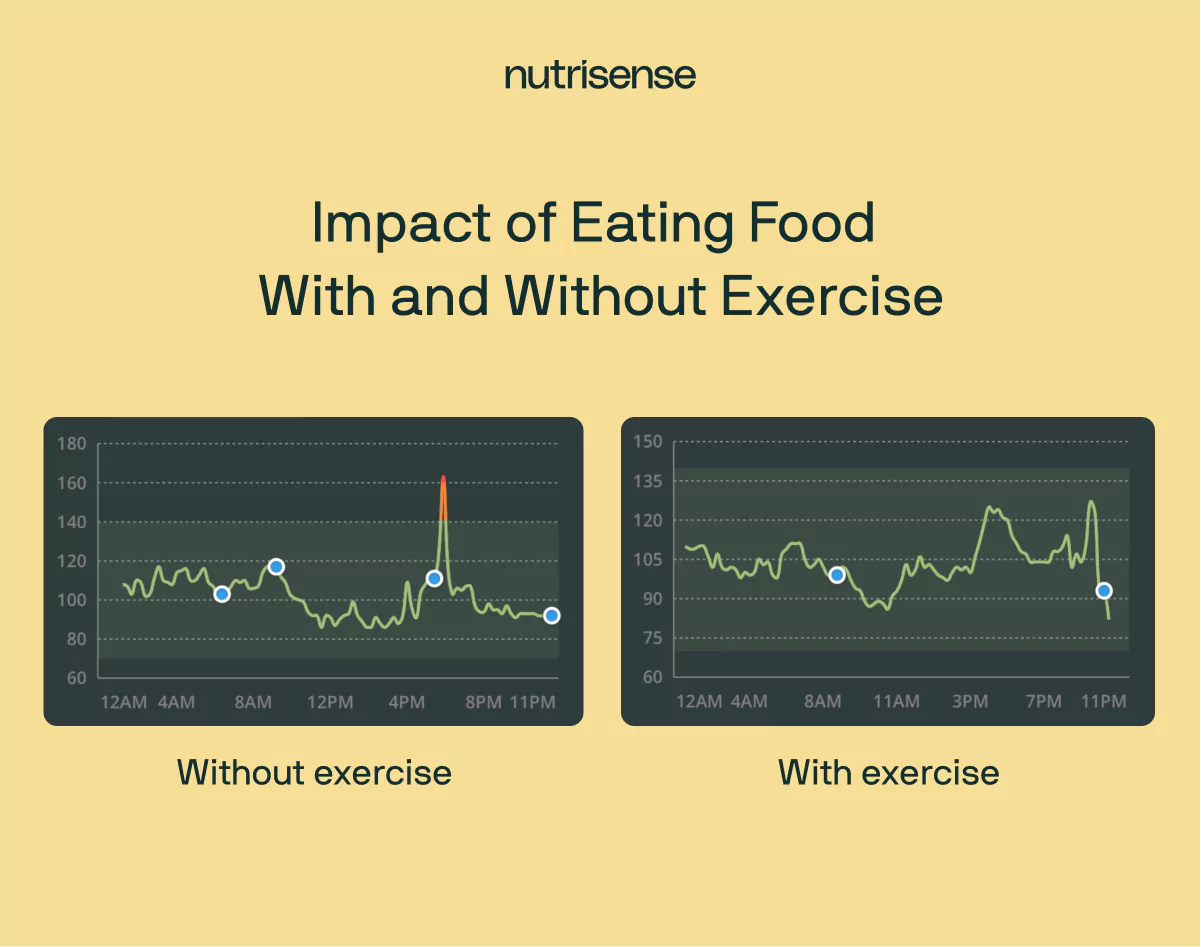
How do you know if it’s working? While your CGM (Continuous Glucose Monitor) will show the results in your sugar levels, you can also track Heart Rate Variability (HRV). HRV is a proxy for vagal tone. A higher HRV means your Vagus Nerve is strong and your body is resilient. Most smartwatches now track this. As your HRV goes up, you will almost certainly see your A1C go down.
Conclusion: Taking Back Control of Your Metabolic Destiny
Managing blood sugar is about so much more than what is on your plate. It is about the environment you create inside your body. When you activate your Vagus Nerve, you are telling your system that the war is over, the predator is gone, and it is safe to heal.
Stress management isn't a luxury or a "self-care" indulgence; it is a physiological requirement for anyone living with diabetes or pre-diabetes. You have a built-in stabilizer waiting to be used.
Your Challenge: Don't try to do all five at once. Pick just one non-physical hack—perhaps the 5-minute humming or the cold water splash—and commit to it for the next three days. Watch your CGM data. Feel the shift in your energy. You have the power to influence your metabolic destiny, one breath, one hum, and one cold splash at a time.