Dining Out Without the Spike: My Personal Strategy for Navigating Menus and Social Pressure
From Isolation to Invitation: My Journey Back to the Table
I still remember the day my doctor looked me in the eye and told me my A1C was in the "danger zone." At that moment, my world shrank. I didn't just see a diagnosis; I saw the end of my social life. For the first three months of my recovery from Type 2 diabetes, I became a culinary hermit. I turned down every birthday invitation, skipped every Friday happy hour, and avoided the local bistro I used to love. I was terrified that one wrong move—one hidden teaspoon of sugar or a rogue piece of white bread—would send my glucose spiraling and undo all my hard work.
The emotional toll was heavier than the physical symptoms. I felt isolated, "othered," and deeply sad that I couldn't share a meal with the people I loved. But as I dove deeper into the science of blood sugar management, I had a massive epiphany: recovery doesn't mean living in a bubble of restriction. It means developing a bulletproof strategy.

I realized that if I wanted to sustain my health for the long haul, I had to learn how to live in the real world. Today, my blood sugar is stable, my energy is higher than it’s ever been, and I eat out at least twice a week. I’m not "cured" in the sense that I can eat a bucket of pasta without consequence, but I am empowered. I have moved from isolation back to the table, and I want to show you exactly how I do it.
The Pre-Game: How I Prepare Before I Even Leave the House
Success at a restaurant starts long before the waiter says "Hello." When you have blood sugar goals, walking into a restaurant hungry and undecided is a recipe for a spike.
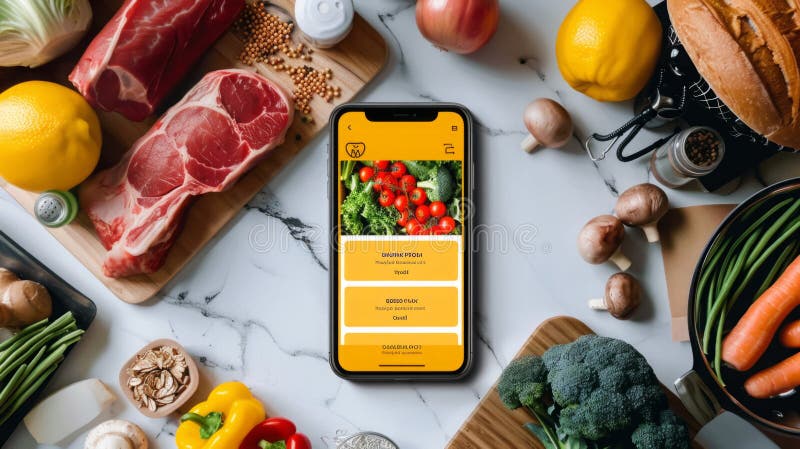
First, digital menus are my secret weapon. I never walk into a restaurant "blind." I spend five minutes the day before or during my commute scouting the menu online. I’m looking for the protein-heavy entrees and the vegetable sides. By deciding what I’m going to eat while I’m in a calm, non-hungry state, I bypass the "impulse brain" that wants to order the deep-fried appetizers the moment I smell them.
Second, I use the "pre-meal snack" trick. If I show up to a dinner party or a restaurant with a growling stomach, my willpower is non-existent. About 30 minutes before I leave, I eat a small handful of walnuts or a hard-boiled egg. This small dose of healthy fat and protein stabilizes my hunger hormones, ensuring that I can make rational choices when the bread basket arrives.
Finally, I set a mental intention. I tell myself, "Tonight is about the conversation, not the carbs." Shifting the focus from the food to the connection changes the entire experience.
Decoding the Menu: Spotting the Hidden Sugar Traps
Restaurants are notorious for hiding sugar in places you’d never expect. To keep my glucose flat, I’ve learned to read between the lines of a menu.
Beware of "healthy-sounding" traps. A "Summer Berry Salad" sounds great until you realize the poppyseed dressing has more sugar than a soda and the candied pecans are essentially candy. Similarly, anything described as "glazed," "teriyaki," "honey-roasted," or "balsamic reduction" is a red flag for a sugar bomb. These sauces are often thickened with cornstarch and loaded with sweeteners to make them shelf-stable and hyper-palatable.
My Safe Bets:
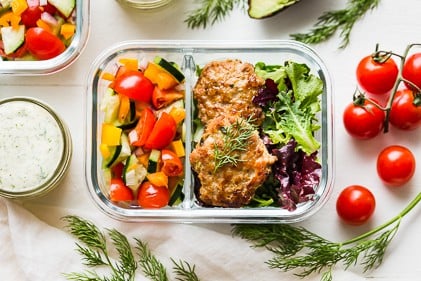
- The Protein Foundation: I look for grilled, roasted, or broiled options. Salmon, steak, roast chicken, or tofu are my go-to's.
- The Fiber Shield: I scan for "double greens." If a dish comes with a starch, I ask to swap it for sautéed spinach, grilled asparagus, or a side salad.
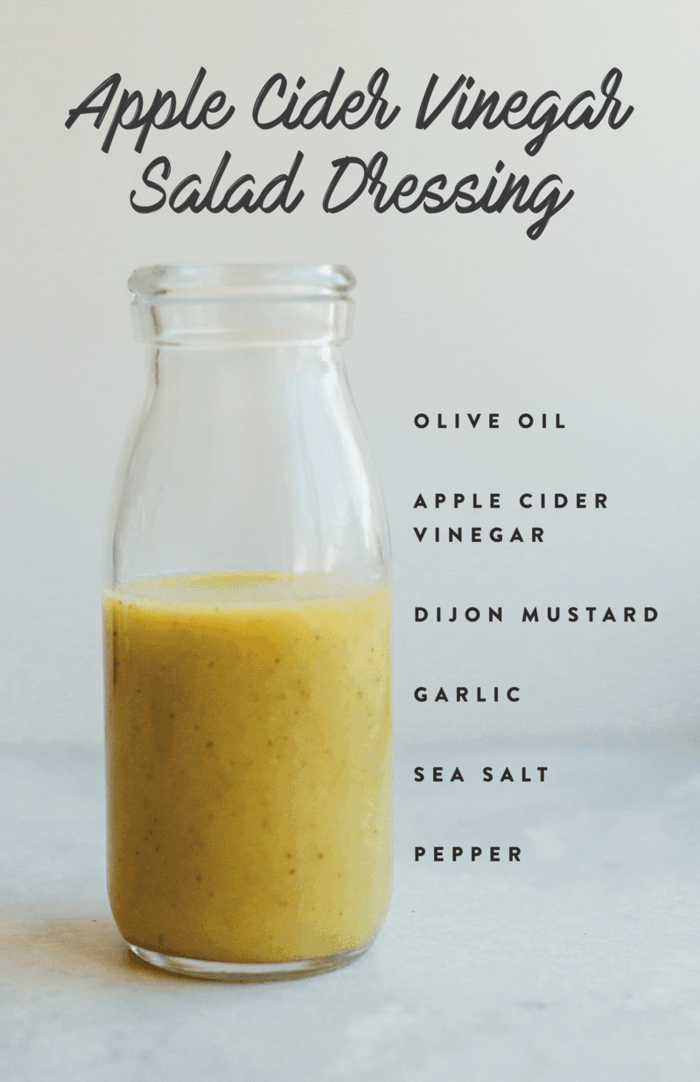
- The Fat Factor: I look for healthy fats like avocado or olive oil based dressings, which help slow down the absorption of any glucose in the meal.
The Art of the Substitution: Ordering Like a Pro
I used to be afraid of being "that person"—the high-maintenance diner with a list of demands. But I’ve learned that empathetic communication makes all the difference. Servers are generally happy to help if you ask kindly.
Instead of saying, "I can't have that," I say, "I’m really looking forward to the sea bass, but I’m avoiding starch today. Could we swap the mashed potatoes for extra green beans?" It’s a positive framing that focuses on what you do want.
My Non-Negotiables for Stable Glucose:
- Dressing on the Side: This is the golden rule. I dip my fork into the dressing and then into the salad. This way, I get the flavor in every bite but use about 75% less of the sugary liquid.
- The Starch Swap: I never feel bad asking for a double order of veggies instead of fries or rice. Most kitchens are happy to accommodate this.
- The "Naked" Burger: I love a good burger, but the bun is a one-way ticket to a 200 mg/dL reading. I ask for it "protein style" (wrapped in lettuce) or simply without the bun, eating it with a knife and fork.
Navigating Social Pressure and the 'Just One Bite' Trap
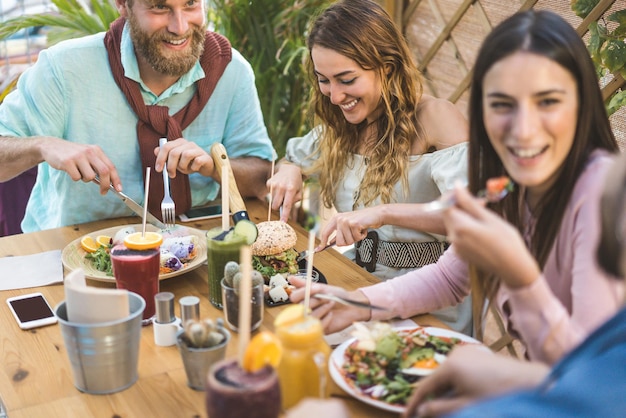
Social pressure is perhaps the hardest part of blood sugar management. Well-meaning friends will say, "Oh, come on, it’s a celebration! One bite of cheesecake won't kill you."
The truth is, for someone in recovery, "one bite" can often trigger a craving cycle or a frustrating spike. I’ve developed a few scripts to handle this without killing the vibe:
- "It looks amazing, but I’m actually so full from that delicious steak! I’ll just stick with my coffee."
- "I’m on a specific protocol right now that’s making me feel incredible, so I’m sticking to my guns tonight. But please, enjoy it so I can live vicariously through you!"
If the bread basket is the "villain" of the table, I simply ask the server to take it away or place it at the far end of the table out of my reach. By focusing on the conversation—asking friends about their lives, their work, their dreams—the food becomes secondary.
My Secret Weapon: The 'Order of Operations' Strategy
This is the single most important "hack" I discovered during my recovery. It’s not just what you eat, but the order in which you eat it. Science shows that if you eat your food in a specific sequence, you can reduce the glucose spike of a meal by up to 75%.
The Strategy:
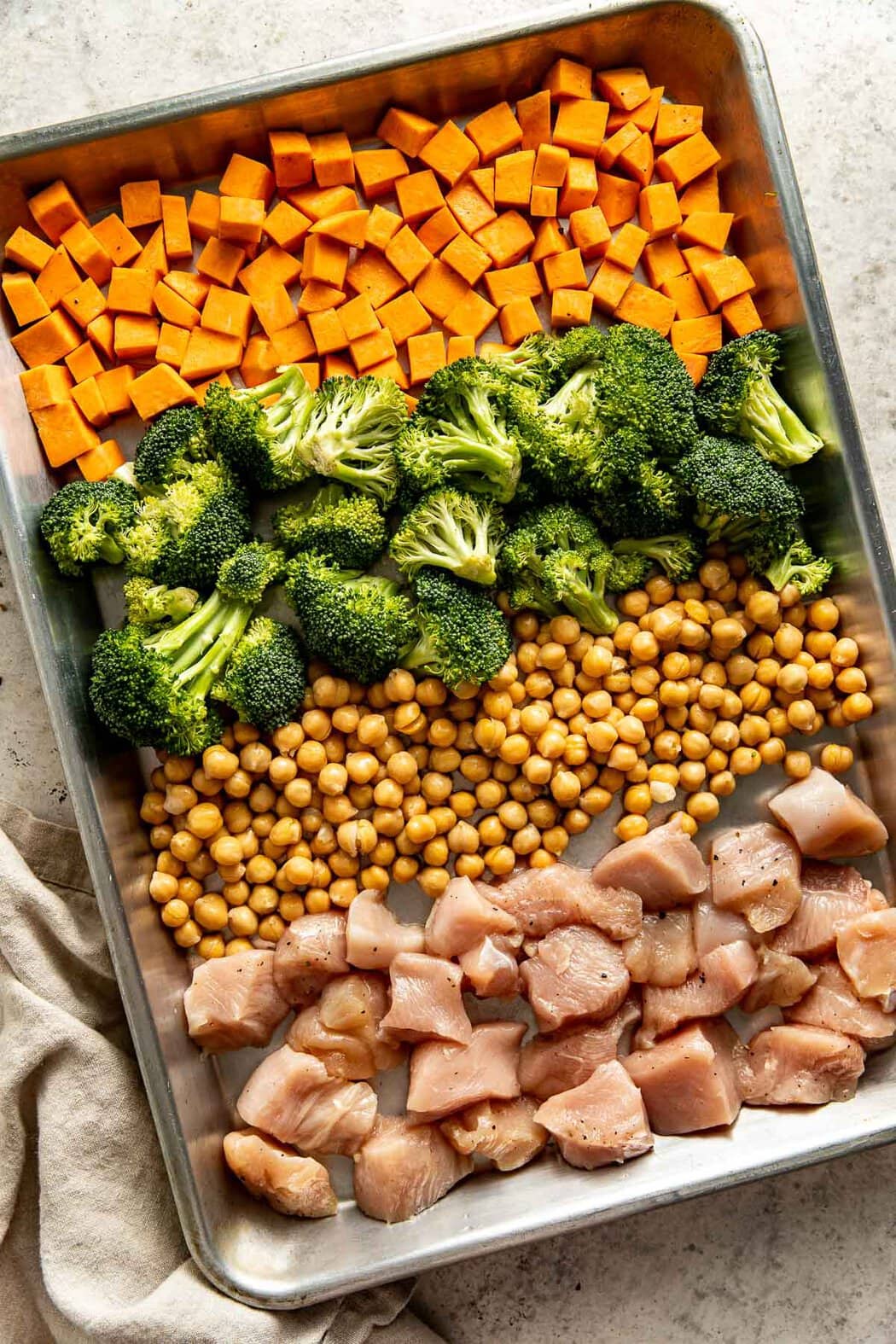
- Fiber First: I start with a salad or a plate of non-starchy vegetables. The fiber creates a "mesh" in the small intestine that slows down the absorption of sugar.
- Proteins and Fats Second: Next, I eat the meat, fish, or fats. This further slows down gastric emptying.
- Carbs Last: If I’m going to have a complex carb (like a small portion of sweet potato or a few bites of a shared dessert), I save it for the very end. By the time the sugar hits my system, the "fiber shield" is already in place to dampen the blow.
This simple habit was the game-changer that allowed me to eat out without fear. I’ve watched my CGM (Continuous Glucose Monitor) during meals where I followed this order, and the difference is staggering.
The Post-Meal Ritual: Closing the Loop on Blood Sugar
The meal doesn't end when you pay the check. What you do in the 30 minutes after eating is crucial.
My absolute non-negotiable is the 10-minute digestive walk. After we leave the restaurant, I always suggest to my companions that we walk a few blocks before heading to the cars. Movement signals to your muscles to soak up the glucose from your bloodstream for energy, effectively "mopping up" the spike before it can cause damage.

I also prioritize hydration. I drink a large glass of water with a squeeze of lemon or a splash of apple cider vinegar before and after the meal. This helps the kidneys process the meal more efficiently.
Finally, I use my CGM or a finger stick about two hours after the meal. I don't do this to judge myself; I do it as a scientist. If a certain dish caused a higher spike than I expected, I make a mental note for next time. "Okay, the 'truffle glaze' on those sprouts was probably full of sugar. Next time, I'll ask for them plain roasted."
Living Full and Free: Why Social Dining is Part of My Recovery
Recovery is about more than just numbers on a screen; it’s about reclaiming your life. The first time I went out, followed my strategy, and saw a perfectly stable line on my glucose monitor the next morning, I cried. I realized I wasn't a prisoner to my diagnosis anymore.
If you are still afraid to step back into the restaurant scene, I want to encourage you: start small. Go to a place you know well. Order the simplest thing on the menu. Practice your substitutions.

You are in control of the menu; the menu is not in control of you. By using preparation, sequencing, and a little bit of post-meal movement, you can enjoy the magic of a shared meal without sacrificing your health. You’ve worked hard for your recovery—now it’s time to live it.
Are you ready to take the "Order of Operations" for a test drive? Next time you eat out, try eating your veggies first and let us know how you feel in the comments below! For more blood sugar tips, don't forget to subscribe to our newsletter.