The Strength-First Shift: How Resistance Training Lowered My A1C and Blood Pressure Naturally

For years, I believed the lie that the only way to "earn" a healthy body was to sweat it out on the pavement. Every morning, I’d lace up my running shoes, head out into the gray dawn, and clock five miles. I was consistent, I was disciplined, and I was exhausted. Yet, when my blood work came back, the numbers told a story of failure. My A1C was sitting at a stubborn 7.2, firmly in the type 2 diabetes range, and my blood pressure was a ticking time bomb.
The Cardio Trap: Why My Daily Runs Weren’t Moving the Needle
I was caught in what I now call the "Cardio Trap." We are told from a young age that heart health and weight management are synonymous with aerobic exercise. So, I ran. I ran until my knees ached and my energy was zapped. But despite the thousands of calories burned, my blood sugar remained high.

What I didn't realize then was the hidden stress response. For someone with metabolic dysfunction, excessive steady-state cardio can act as a chronic stressor. When you push your body through long, grueling sessions of jogging, your body releases cortisol—the stress hormone. Cortisol tells your liver to dump glucose into the bloodstream for quick energy. For a healthy person, this is normal. For me, it was adding fuel to the fire. My body was already struggling to manage sugar, and my "healthy" habit was keeping my levels elevated.
The moment of realization happened at a local gym. I saw a woman in her 60s deadlifting a significant amount of weight. She looked vibrant, tight, and full of life. I looked at my own reflection—gaunt from cardio but still carrying "skinny fat" around my midsection. I decided right then to trade my running shoes for a set of dumbbells. It was time for a strength-first approach.
The Science of Muscle: Why Strength Training is a 'Glucose Sponge'
Once I started diving into the physiology of resistance training, everything clicked. I learned that muscle is not just for aesthetics; it is the largest metabolic organ in the human body. It is essentially a "glucose sponge."
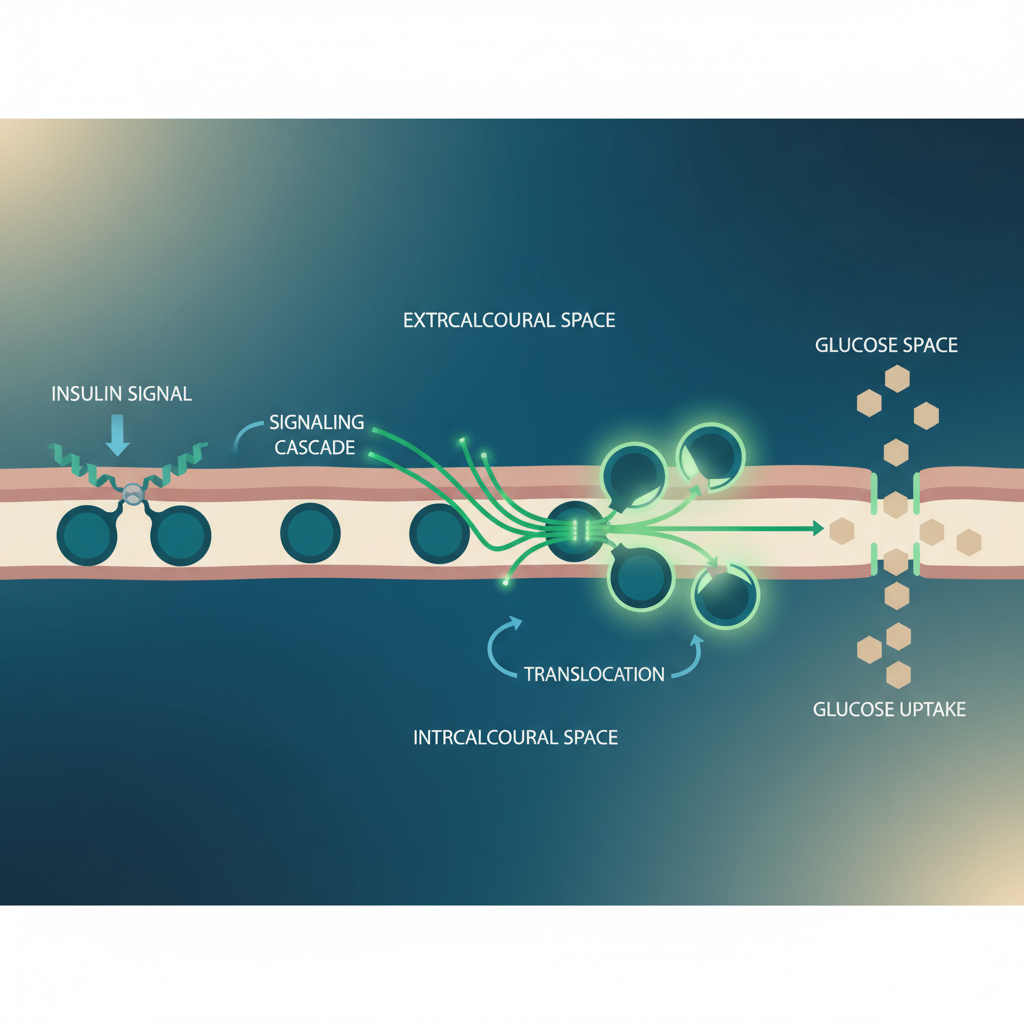
Understanding GLUT4 Translocation
The most fascinating discovery was something called GLUT4 translocation. Normally, your body requires insulin to "unlock" your cells so sugar can enter and be used for energy. However, when you lift weights and your muscles contract intensely, your body activates GLUT4 receptors. These receptors move to the surface of the muscle cells and pull sugar out of the bloodstream without needing extra insulin.
The Metabolic Afterburn
Unlike a run, which burns calories only while you're moving, building lean muscle mass increases your Basal Metabolic Rate (BMR) 24/7. Muscle is metabolically expensive tissue. Even while I was sleeping, my new muscle fibers were demanding energy, effectively lowering my blood sugar levels around the clock. This "afterburn" effect meant that my metabolism was finally working for me, rather than against me.
My Parallel Battle: Tackling High Blood Pressure Without the Pill Bottle
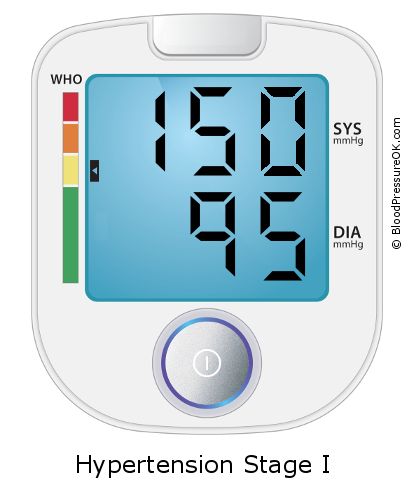
While my A1C was a major concern, my blood pressure was the immediate threat. At my worst, I sat in the doctor's office and watched the digital screen flash 150/95. My doctor reached for his prescription pad, but I stopped him. I asked for six months—six months to see if I could move the needle naturally.
The refusal to medicate wasn't about being anti-science; it was about personal accountability. I knew my lifestyle was the root cause, and I wanted to see if a lifestyle cure was possible. I began researching the synergy between strength training and heart health. While many fear that lifting weights spikes blood pressure (it does, momentarily), the long-term effect is the opposite. Resistance training strengthens the arterial walls and improves vascular compliance. It makes your "pipes" more flexible and resilient.
The Natural Toolkit: Supplements and Lifestyle Shifts for Heart Health
To support my new lifting routine, I overhauled my internal environment. I needed a natural toolkit that would support my arteries while I built my muscles.
The Potassium-Magnesium Connection
Most people focus on cutting salt, but I focused on adding minerals. I aimed for the recommended 4,700mg of potassium daily through avocados, spinach, and coconut water. Potassium helps the body excrete sodium and eases tension in your blood vessel walls. I also added a high-quality Magnesium Glycinate supplement before bed. Magnesium is nature’s calcium channel blocker; it relaxes the smooth muscles of the heart and blood vessels, which was crucial for bringing my diastolic number down.

Hibiscus Tea and Garlic Extract
I replaced my afternoon coffee with cold-brewed hibiscus tea. Studies have shown that hibiscus can be as effective as some low-dose blood pressure medications due to its anthocyanins. Additionally, I started taking aged garlic extract. Garlic contains allicin, which promotes the production of nitric oxide, a gas that tells your blood vessels to relax and widen.
The Power of 'Nitric Oxide Dumps'
I also implemented "Nitric Oxide Dumps"—three-minute bursts of movement (like air squats or overhead reaches) performed three times a day. These short bursts stimulate the release of nitric oxide from the lining of the blood vessels, providing an instant, natural drop in blood pressure that lasts for hours.

Building the 'Strength-First' Routine: A Beginner’s Blueprint
If you’re ready to make the shift, you don't need to spend two hours in the gym. In fact, that’s counterproductive. My transformation was built on simplicity and consistency.
Focusing on Compound Movements
I stopped doing "bicep curls" and started doing "big" movements. Compound exercises recruit multiple muscle groups and create the largest metabolic demand.
- Squats: The king of glucose disposal. Your legs are your biggest muscles; use them.
- Deadlifts: For overall structural strength and posterior chain health.
- Presses: To build upper body bone density and functional strength.

Frequency Over Intensity
I started with three 30-minute sessions per week. This allowed my central nervous system to recover and prevented the cortisol spikes I experienced with long-distance running. The goal wasn't to "crush" myself; it was to "stimulate" the muscle.
Tracking Progress
I stopped weighing myself every day. Instead, I used a logbook. Seeing that I could lift 10 pounds more this week than last week was the "win" I needed. When your strength goes up, your metabolic health usually follows, even if the scale doesn't move immediately.
The Results: A1C Drops and Blood Pressure Normalizes
The six-month checkup was the moment of truth. I walked into the clinic feeling like a different person. I had lost some fat, sure, but I felt solid.
When the results came back, my doctor was speechless. My A1C had plummeted from 7.2 to 5.4—well within the normal range. My blood pressure, which had once been a scary 150/95, was now a consistent 115/75. I had achieved "clinical recovery" through the power of the pump and targeted nutrition.

But the numbers only told half the story. The "energy explosion" was the real prize. In my 40s, I found myself with more stamina, better sleep, and a sharper mind than I ever had in my 20s. I wasn't just avoiding disease; I was building vitality.
Beyond the Numbers: The Mental and Physical Freedom of Lifting
The most unexpected benefit of the strength-first shift was the mental freedom. For years, I viewed food through the lens of guilt. Every carbohydrate was a "sin" that I had to "burn off" with more cardio.
Once I started lifting, that script flipped. I began viewing calories as fuel for muscle growth. I realized that if I ate a sweet potato, those carbs weren't going to sit in my blood; they were going straight into my depleted muscle glycogen stores to help me lift heavier the next day. This metabolic autonomy is the ultimate form of freedom.

The confidence boost that comes from being physically strong is also immeasurable. There is something primal and empowering about knowing you can pick up heavy objects and move your own body with ease. It changes how you carry yourself in the world.
Conclusion: Embracing the Power of the Pump for Long-Term Recovery
The shift from "burning calories" to "building health" saved my life. If you find yourself trapped on the treadmill of stagnant A1C levels and rising blood pressure, it’s time to change the stimulus. Your body doesn't need more stress; it needs more strength.
Muscle is your insurance policy for a long, healthy life. It protects your joints, regulates your hormones, and acts as a 24/7 vacuum for excess blood sugar. You don't need to be a bodybuilder to reap these rewards. You just need to be willing to pick up something heavy and put it down.

Your Call to Action: Consult with your healthcare provider to ensure you're cleared for exercise, then find a local gym or grab a set of kettlebells for home. Start with the basics—squats, pushes, and pulls. Your future self, with its stable blood sugar and healthy heart, will thank you. The journey to recovery doesn't start with a marathon; it starts with a single, strong rep.