Loading...
tech#CGM alarm fatigue#diabetes technology#Dexcom G7 settings
Mastering CGM Alarm Fatigue: A Tech-Forward Guide to Customizing Alerts for Better Mental Health
Blood Sugar Control
February 19, 20269 min read

The Beep That Never Sleeps: My Journey with CGM Overload
I still remember the first night I wore a Continuous Glucose Monitor (CGM). I went to bed feeling like a bionic man, empowered by the data streaming to my phone every five minutes. I thought, Finally, no more guessing. Then, 2:00 AM arrived.
A piercing, high-pitched wail erupted from my nightstand. I bolted upright, heart hammering against my ribs, convinced I was slipping into a coma. I checked my phone: 78 mg/dL and a steady arrow. I wasn't dying; I was just grazing the "Low" threshold I had set too conservatively. I fell back asleep, only to be jolted awake again at 4:00 AM by a "High" alert because my late-night snack had finally hit my bloodstream. By 7:00 AM, I was exhausted, irritable, and ready to throw the $100 sensor into the trash.

This is the classic "Love-Hate" relationship we have with diabetes technology. We love the safety net, but we hate the "symphony" of alarms that seem designed to induce a panic attack. For those of us living with T1D or insulin-dependent T2D, the CGM is a life-saving tool, yet it can also be a source of profound psychological stress. My mission today is to help you move from reactive panic—where you jump at every beep—to proactive management, where the technology serves your lifestyle rather than dictating your mood.
The Psychology of Alarm Fatigue
What happens to your brain when it hears 20+ alerts a day? It’s not just annoying; it’s biologically taxing. Every time your phone blares an alert, your body releases a small burst of cortisol and adrenaline. This "fight or flight" response is useful if a lion is chasing you, but when it happens because you’re at 181 mg/dL, it creates a state of chronic hyper-vigilance.
Over time, this leads to Alarm Fatigue. This is a documented phenomenon in clinical settings where healthcare providers become desensitized to safety alarms due to their frequency. For us, alarm fatigue is the fast track to Diabetes Burnout. When the beep becomes white noise, or worse, a source of resentment, we start "ignoring the beep." This is a natural physiological defense mechanism, but in the world of blood sugar management, it’s dangerous. If you’ve ever swiped away a low alert without reaching for glucose tabs because you "just couldn't deal with the noise," you’ve experienced this.

Deep Dive: Customizing the Dexcom G7 for Stealth Mode
The Dexcom G7 is a marvel of engineering, but its default settings are often "loud" by design to ensure safety. To reclaim your mental health, you need to master the Alert Settings menu.

Using 'Quiet Modes' Effectively
The G7 introduced "Quiet Modes," which are a godsend for professionals and students. You can choose Vibrate (all alerts vibrate), or Silence All (except for the Urgent Low Soon and Sensor Failure).
- Pro Tip: Use "Silence All" during a high-stakes meeting or a movie, but set a timer on your watch to remind you to check your levels manually in 30 minutes.
The 'Delay 1st Alert' Feature: A Game Changer
This is perhaps the most underrated feature in the G7 suite. If you set your "High" alert to 180 mg/dL, the G7 will usually beep the second you cross that line. But we know that post-meal spikes are often temporary. By using the Delay 1st Alert setting (e.g., set to 20 or 30 minutes), the CGM will only alert you if you stay above 180 for that duration. This eliminates the "nuisance" beeps from a spike that was already on its way down.
Setting Profiles for 'Work' vs. 'Sleep'
You can now create different alert profiles. During the day at work, I might want my high alert at 200 mg/dL to avoid distractions. At night, I lower it to 170 mg/dL because I want to catch a rise before it ruins my morning. Customizing these profiles ensures that the "noise" is always relevant to your current environment.
FreeStyle Libre 3: Minimalist Alerts for Maximum Peace
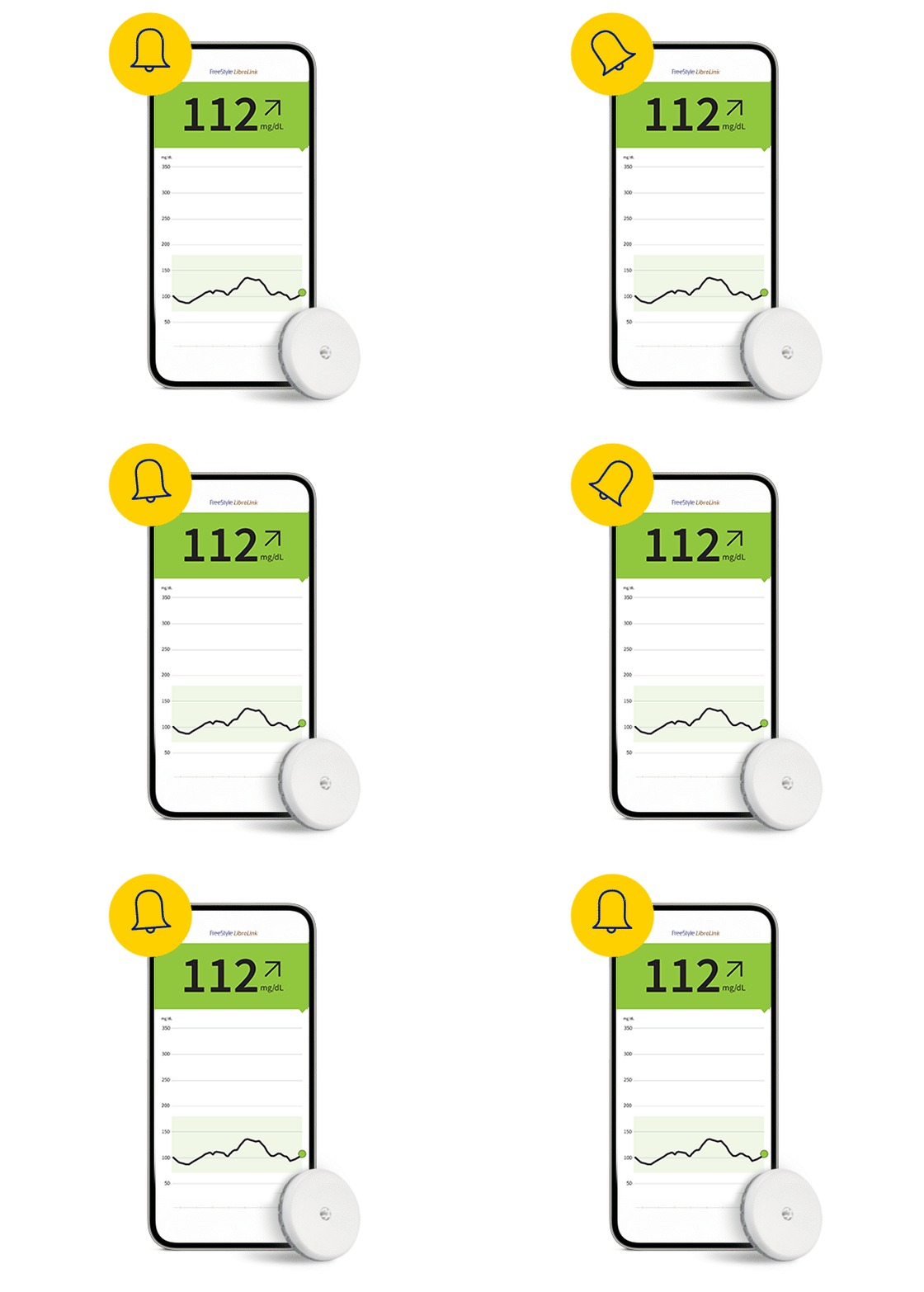
The FreeStyle Libre 3 is the king of minimalism. It’s the size of two stacked pennies, and its app interface is equally streamlined. However, because it’s so "always-on," the alerts can feel intrusive if not calibrated.
Adjusting Thresholds to Reduce False Alarms
Many users leave their "Low" alert at the default 70 or 80 mg/dL. If you find yourself hovering at 79 mg/dL and feeling fine, that constant chirping is unnecessary. With your doctor’s permission, widening your "target range" slightly can significantly reduce the number of notifications you receive.
The 'Signal Loss' Alarm: Friend or Foe?
The Libre 3 relies on a constant Bluetooth connection. If you leave your phone in the kitchen and walk to the bedroom, the "Signal Loss" alarm will trigger.
- Actionable Advice: If you are at home and know your phone is nearby, turn this off. The psychological cost of being tethered to your phone within a 30-foot radius is often higher than the risk of missing 10 minutes of data.
Third-Party Tech: Gamifying Your Glucose with Happy Bob and Sugarmate
If the native Dexcom or Libre apps feel too "medical," it’s time to look at the developer community. These third-party apps pull data from your CGM and present it in ways that are much kinder to your psyche.

Happy Bob: The CGM with a Personality
Happy Bob is an app that turns glucose monitoring into a conversation. Instead of a sterile beep, you get a notification like, "You're at 110. You're doing better than my creator!" or "190? Maybe skip the second donut next time, buddy." By adding humor and gamification, it reduces the "medicalization" of your life. It turns a data point into a moment of levity.
Sugarmate: The Nighttime Lifesaver
For those who sleep through standard CGM alarms (like I often do), Sugarmate is essential. One of its best features is the ability to trigger a real phone call to your device when you hit a critical low. A phone call is much harder to ignore than an app notification and can be a literal lifesaver for those with hypoglycemia unawareness.
Apple Watch Complications
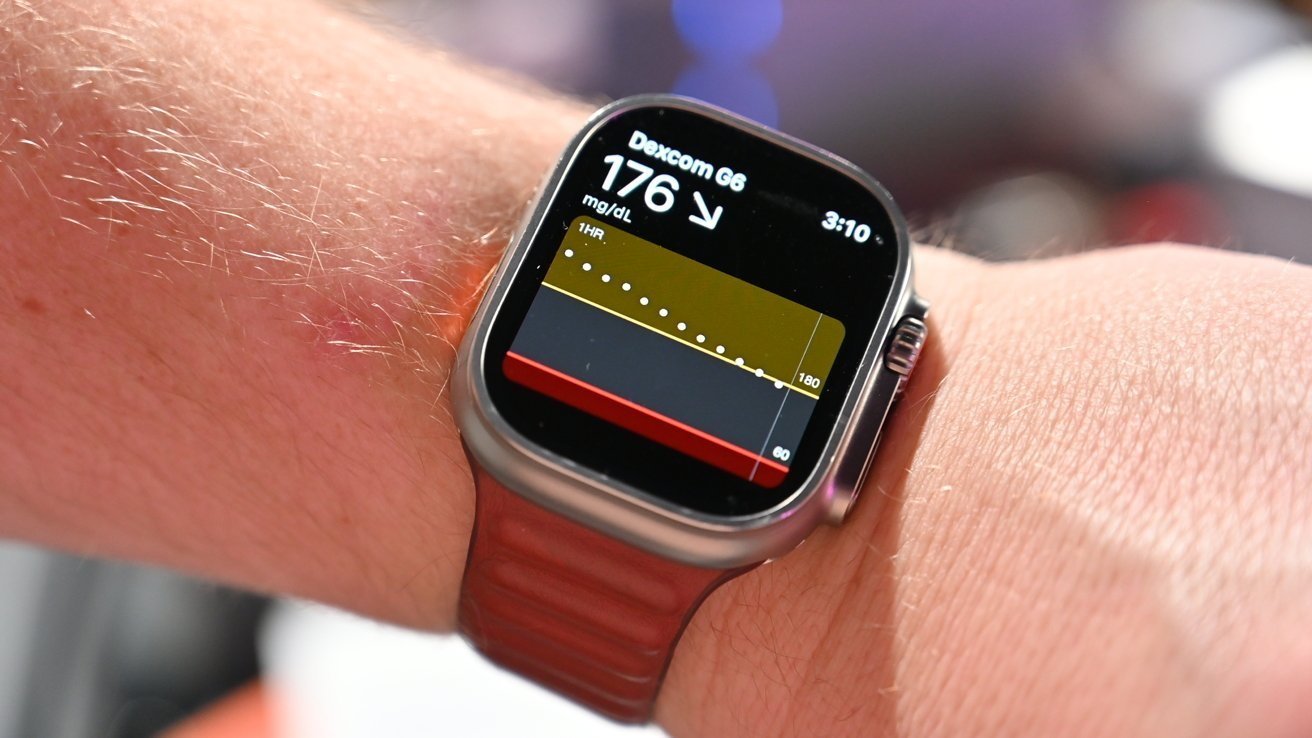
Integrating your data into an Apple Watch complication allows for "glanceable" info. When you can see your number with a flick of the wrist, you’re less likely to go digging for your phone, which reduces the chance of getting sucked into other stressful notifications (emails, news, social media).
The 'Sweet Spot' Strategy: Finding Your Custom Thresholds
The default 80-180 mg/dL range is a clinical standard, but it isn't a "one size fits all" for mental health. If you are a "perfectionist" diabetic, you might be tempted to set your range to 90-140. Stop. This is a recipe for a nervous breakdown.
Every time you narrow your range, you increase the frequency of alarms. To find your "Sweet Spot":
- Look at your data: If you spend 70% of your time in range, but your phone is beeping 15 times a day, your thresholds are too tight.
- Widen the safety net: Try setting your High alert to 200 mg/dL for a week. See if your A1C actually changes. Often, you'll find that you still treat the high, but you do it with a calm mind rather than a panicked one.
- Predictive Alerts: Use features like "Urgent Low Soon." This uses AI to predict you'll hit 55 mg/dL within 20 minutes. It’s better to get one proactive alert than five reactive ones once you're already shaking and confused.
Nighttime Sanity: Protecting Your REM Cycle
Sleep is the foundation of insulin sensitivity. If your CGM is waking you up every night, it is actually making your diabetes harder to manage the next day.
The Compression Low Dilemma
A "compression low" happens when you lay on your sensor, pushing the interstitial fluid away from the filament. The CGM thinks you're at 40 mg/dL, but you're actually at 100.
- The Fix: Wear your sensor on the back of your arm or your upper glute—areas you are less likely to put full body weight on during sleep.

The Sleep Profile
With doctor approval, consider setting your nighttime low alert slightly lower (e.g., 70 instead of 80) if you are stable. This prevents "nuisance" alarms from minor fluctuations that don't require intervention.
Conclusion: You Are the Pilot, Not the Passenger
The most important thing to remember is that technology should serve you, not the other way around. You are the pilot of this ship; the CGM is just one instrument on your dashboard. When the dashboard starts screaming at you for every minor turbulence, it’s time to recalibrate the sensors.
I encourage you to take one week and experiment. Change your "High" threshold, try a "Quiet Mode" during your most stressful work hours, or download an app like Happy Bob to see if a little humor changes your perspective.
Better mental health isn't just a "nice to have"—it is a clinical necessity. When you are less stressed, your cortisol levels drop, your sleep improves, and ultimately, your blood sugar control follows suit. Silence the noise, find your "Sweet Spot," and take back your peace of mind.
What’s your biggest CGM pet peeve? Have you found a setting that changed your life? Let us know in the comments below!