Loading...
cooking#low carb shrimp tacos#shrimp ceviche recipe#diabetes friendly dinner
No-Carb Shrimp Ceviche Tacos: A Refreshing Low Glycemic Recipe for Blood Sugar Control
Blood Sugar Control
April 5, 202610 min read
Flavor Without the Spike
Imagine yourself sitting on a sun-drenched coastal patio, the salt air misting your face, and a plate of vibrant, citrusy seafood sitting in front of you. For many of us managing blood sugar, this dream often hits a wall when the "taco" part of the equation arrives. Traditional corn or flour tortillas, while delicious, are essentially concentrated bundles of carbohydrates that can send blood glucose levels on a roller coaster ride.
Finding a satisfying, no-carb alternative that doesn't feel like a compromise is the "holy grail" of low glycemic living. We’ve all tried the lettuce wraps that fall apart at the first bite or the "low-carb" store-bought tortillas that taste like cardboard. But what if the solution wasn't just a substitute, but an enhancement?

Our No-Carb Shrimp Ceviche Tacos are designed to bridge the gap between gourmet flavor and metabolic health. By swapping out processed grains for nature’s crunchiest vessels—jicama and cabbage—we create a meal that is refreshing, filling, and, most importantly, incredibly stable for your blood sugar. In this post, we’re going to dive deep into why this recipe works for your body, the science behind the ingredients, and how you can master the art of the no-carb taco in your own kitchen.
The Science of Low Glycemic Index Cooking
To understand why this recipe is a powerhouse for blood sugar control, we first have to look at the Glycemic Index (GI). The GI is a rating system for foods containing carbohydrates. It shows how quickly each food affects your blood sugar (glucose) level when eaten on its own. High GI foods (like white bread or sugary snacks) cause a rapid spike, while low GI foods are digested and absorbed more slowly, resulting in a slower, lower rise in blood sugar levels.
This recipe is inherently "Low GI" because it focuses on the three pillars of blood sugar management: high-quality protein, healthy fats, and complex fiber.
1. The Protein Anchor: Shrimp is a lean, high-quality protein source with a glycemic index of zero. Protein takes longer to digest than carbohydrates, which helps signal to your brain that you are full and prevents the "hunger crash" that often follows a high-carb meal.
2. The Power of Acidity: One of the secret weapons in blood sugar management is acid—specifically the citric acid found in the limes used to "cook" the shrimp. Research suggests that acidic ingredients can help slow down the gastric emptying process. By slowing down how fast food leaves your stomach, you effectively slow down the absorption of glucose into the bloodstream.
3. The Fiber Buffer: By using jicama and cabbage as our "shells," we are introducing significant amounts of dietary fiber. Fiber acts as a physical barrier in the digestive tract, further slowing the breakdown of any natural sugars present in the meal and ensuring a "slow-burn" energy source rather than a quick hit.
Ingredient Spotlight: Why Jicama and Cabbage?
When we talk about "no-carb" tacos, the biggest challenge is the structural integrity and the "mouthfeel" of the shell. This is where jicama and cabbage shine as nutritional superstars.
Jicama: The 'Superfood' Tuber
Jicama (pronounced hee-ka-ma) is often called the Mexican turnip. It is a root vegetable with a brown, papery skin and a crisp, white interior that tastes like a cross between an apple and a water chestnut.
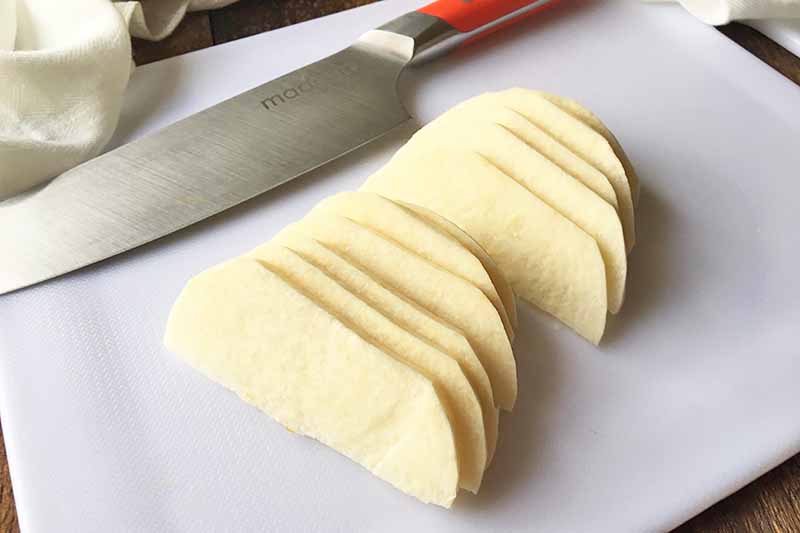
What makes jicama incredible for diabetics and those watching their carbs is its high concentration of inulin. Inulin is a prebiotic fiber that doesn't raise blood sugar. While jicama does contain some carbohydrates, the "net carb" count is remarkably low because the fiber content is so high. When sliced thin, jicama is flexible enough to fold like a tortilla but sturdy enough to hold a generous portion of ceviche.
Cabbage: The Structural Powerhouse
If you want a shell with even more "snap," purple or green cabbage is your best friend. Cabbage is a cruciferous vegetable, part of the same family as broccoli and kale. It is packed with vitamin C, vitamin K, and anthocyanins (antioxidants that give purple cabbage its color).
Using a large, blanched, or raw cabbage leaf provides a bowl-like structure that is virtually calorie-free and adds a refreshing bitterness that cuts through the richness of the seafood. Plus, the prebiotic fibers in cabbage feed the "good" bacteria in your gut, which is increasingly linked to improved insulin sensitivity.
The Ultimate No-Carb Shrimp Ceviche Recipe
This recipe yields approximately 8-10 small tacos. It’s perfect for a light lunch, a refreshing dinner, or a crowd-pleasing appetizer.
The Ingredients
- 1 lb Raw Shrimp: Medium-sized, peeled, deveined, and tails removed. (Wild-caught is preferred for better Omega-3 profiles).
- 1/2 cup Fresh Lime Juice: Usually about 4-5 juicy limes. Do not use the bottled stuff!
- 1/2 cup Fresh Lemon Juice: Adds a layer of brightness.
- 1 Medium Cucumber: Seeded and finely diced.
- 1/2 Red Onion: Finely minced.
- 2 Roma Tomatoes: Seeded and diced.
- 1 Jalapeño or Serrano Pepper: Seeded and minced (keep seeds for more heat).
- 1/2 cup Fresh Cilantro: Chopped.
- 1 Large Jicama: Peeled and sliced paper-thin using a mandoline.
- 1 Small Head of Purple Cabbage: Leaves separated and washed.
- 1 Avocado: Sliced or cubed for topping.
- Sea Salt and Black Pepper: To taste.

Step-by-Step Preparation
- Prepare the Shrimp: Cut the raw shrimp into 1/2-inch pieces. Place them in a glass or ceramic bowl (avoid metal, as the acid can react with it).
- The "Cold Cook": Pour the lime and lemon juice over the shrimp until they are completely submerged. Cover the bowl and refrigerate. Let the shrimp marinate for about 15–25 minutes. You’ll know they’re ready when they turn opaque and pink.
- Prep the Veggies: While the shrimp "cooks," dice your cucumber, onion, tomatoes, and peppers. Ensure you remove the seeds from the cucumber and tomatoes to prevent the ceviche from becoming too watery.
- Combine: Once the shrimp is ready, drain about half of the citrus juice (keep some for flavor!). Stir in the diced vegetables and cilantro. Season generously with sea salt and black pepper.
- Prepare the Shells:
- For Jicama: Peel the jicama and use a mandoline to create very thin rounds. If they feel too stiff, soak them in warm water for 2 minutes to make them more pliable.
- For Cabbage: Carefully peel off the outer leaves. You can use them raw for maximum crunch or dip them in boiling water for 10 seconds to make them soft and wrap-like.
- Assemble: Spoon a generous portion of the shrimp mixture into a jicama or cabbage shell. Top with a slice of avocado.

Pro-Tips for the Perfect Ceviche Texture
The difference between "good" ceviche and "restaurant-quality" ceviche lies in the details.
The Marination Sweet Spot
Many people make the mistake of leaving shrimp in citrus juice for hours. This will actually "overcook" the protein, making it tough and rubbery. Aim for the 20-minute mark. If you aren't serving it immediately, drain the juice after the shrimp has turned opaque to stop the cooking process.
Mandoline Safety and Precision
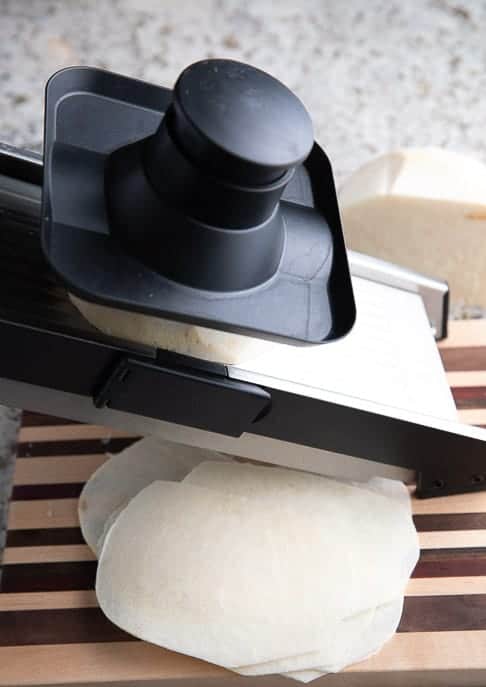
To get jicama slices thin enough to act as a tortilla, a mandoline is essential. However, these tools are incredibly sharp. Always use the safety guard! If you don't have a mandoline, use a very sharp vegetable peeler to create long, wide ribbons instead of circles.
Temperature Control
Ceviche is best served chilled—almost cold. Keep your shrimp mixture in the fridge until the very second you are ready to assemble. The contrast between the cold seafood and the crisp, room-temperature jicama is part of the sensory experience.
Customizing Your Tacos: Low GI Toppings
While the base recipe is delicious, customization is where you can add even more blood-sugar-stabilizing nutrients.
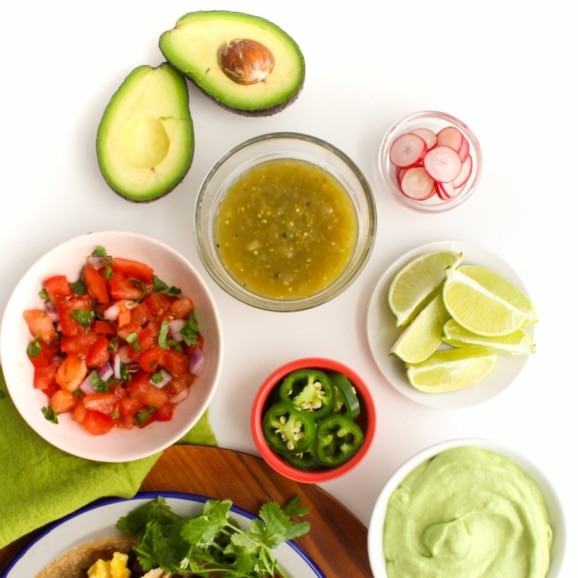
- Healthy Fats: Avocado is the gold standard here. Its monounsaturated fats help further slow the absorption of nutrients and keep you full longer. You can also try a dollop of full-fat Greek yogurt instead of sour cream for a probiotic boost with extra protein.
- Heat and Metabolism: Sliced radishes or extra serrano peppers add a spicy kick. Capsaicin, the compound that makes peppers hot, has been studied for its potential to slightly boost metabolic rate.
- Fresh Herbs: Don't stop at cilantro. Fresh mint or even a little dill can change the flavor profile entirely, adding antioxidants without a single gram of sugar.
Meal Prep and Storage Strategies
Can you meal prep ceviche? Yes and no. Because the citrus continues to "cook" the shrimp, it’s best eaten fresh. However, you can prep the components in advance.
- Chop the Veggies: You can dice the cucumber, onion, and peppers up to 2 days in advance. Store them in an airtight container.
- Prep the Shells: Jicama slices stay fresh and crunchy for up to 3 days if stored in a container with a damp paper towel.
- The Shrimp: Keep the shrimp raw and cleaned in the coldest part of your fridge. When you're ready for lunch, simply add the citrus juice and wait 20 minutes.
Food Safety Note: Always use high-quality, fresh seafood. Since this is a "raw" preparation method, freshness is paramount. If the shrimp smells "fishy" rather than like the ocean, don't use it.
Conclusion: Embracing a Low-Carb Lifestyle
Managing blood sugar doesn't mean you have to say goodbye to the foods you love; it just means you get to be more creative with how you build them. These No-Carb Shrimp Ceviche Tacos are a testament to the fact that low glycemic eating can be vibrant, flavorful, and incredibly satisfying.
By choosing whole-food alternatives like jicama and leveraging the science of protein and fiber, you are taking a proactive step toward long-term health and stable energy levels.
We want to see your creations! Have you tried using other vegetables as shells? Do you have a secret ceviche ingredient? Share your photos and tips in the comments below or tag us on social media. Join our community of "Blood Sugar Control" warriors and let’s prove that healthy eating is the most delicious way to live!