Loading...
tech#glucagon technology#nasal glucagon#Gvoke HypoPen
The Evolution of Life-Saving Tech: Comparing Modern Glucagon Auto-Injectors and Nasal Powder
Blood Sugar Control
March 17, 20269 min read
From Chemistry Sets to High-Tech Hardware: My Journey with Glucagon
If you’ve lived with Type 1 Diabetes for more than a decade, you know exactly what I mean when I talk about the "Red Box." It was the ubiquitous, clunky plastic case that sat at the bottom of our backpacks or in the back of our refrigerators, looming like a bad omen. Inside wasn’t just a life-saving medication; it was a high-stakes chemistry experiment.
When a severe hypoglycemic event occurs, every second feels like a minute, and every minute feels like an hour. In that "Red Box" era, a caregiver—often panicked and shaking—had to flip a cap, inject a vial of liquid into a vial of powder, swirl it until it was clear (but don’t shake it too hard!), draw that mixture back into a syringe, and then find a large muscle for injection. It was a multi-step process that was prone to human error, and as someone who has been on both the giving and receiving end of that process, I can tell you: it was terrifying.

The shift we’ve seen in the last five years from these manual "chemistry sets" to automated, elegantly engineered delivery systems is more than just a convenience; it is a triumph of biomedical engineering. It represents a fundamental shift in how we approach diabetes emergencies—moving away from clinical complexity and toward intuitive, "human-factor" design. Today, we’re dissecting the mechanics of these modern rescue devices to understand how they work and why they’ve changed the game for the T1D community.
The Anatomy of the Modern Auto-Injector: Engineering Precision
The first major leap forward was the transition to room-temperature stable liquid glucagon. For years, the hurdle was chemistry: glucagon is a notoriously "floppy" peptide. In a liquid state, it traditionally broke down or clumped together (fibrillation) within hours or days.
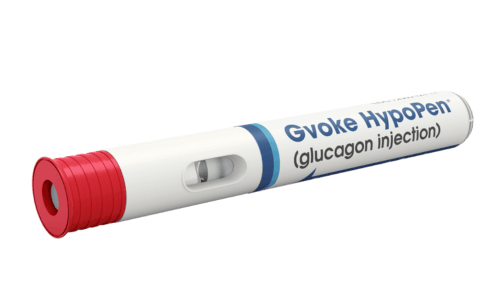
Enter the Gvoke HypoPen. The engineering breakthrough here wasn’t just the pen itself, but the non-aqueous (water-free) solvent that keeps the glucagon stable for up to two years at room temperature. This allowed engineers to house the medication in a pre-filled, spring-loaded auto-injector.
The Internal Mechanics
When you press a Gvoke HypoPen against the skin, you’re triggering a sophisticated mechanical sequence. Inside the casing is a powerful internal spring held in tension. The "no-see" needle is the star of the show here. Upon activation, the spring releases, driving the needle to a precise intramuscular or subcutaneous depth and simultaneously depressing the plunger to deliver the exact dose.
The Psychological Breakthrough
From a UX (User Experience) perspective, the "no-see needle" is a masterstroke. In a crisis, bystanders are often hesitant to use a traditional syringe because of "needle phobia" or the fear of hurting the patient. By hiding the needle and making the device look like a highlighter or a thick marker, the barrier to action is lowered. There is no "priming," no "air bubbles," and no "measuring." You simply push, wait for the click, and count to five.
The Science of Dry Powder Delivery: How Nasal Rescue Works
While auto-injectors refined the traditional injection route, Baqsimi took a completely different path: the nose. This device represents a fascinating application of physics and mucosal biology.
The Physics of the Plunger
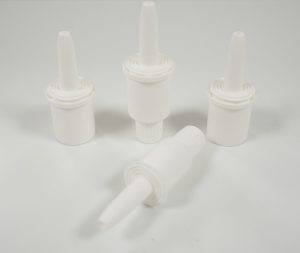
Baqsimi is a single-use, non-invasive dispensing device. It doesn't require the patient to "sniff" or inhale, which is critical because a person in a severe hypo state may be unconscious or unable to follow instructions. The device uses a simple plunger mechanism to aerosolize 3mg of glucagon powder. When the plunger is depressed, it forces the fine-milled powder through a nozzle designed to create a specific plume geometry that coats the nasal mucosa.
The Chemistry of Absorption
You might wonder: how can a powder in the nose be as effective as a needle in the thigh? The nasal passage is incredibly vascularized—meaning it’s packed with tiny blood vessels. The specific formulation of the dry powder includes "permeation enhancers" that help the glucagon peptide cross the mucosal membrane and enter the bloodstream almost instantly. Studies have shown that the absorption rate and the subsequent rise in blood glucose are remarkably similar to injected glucagon, even if the patient has a cold or nasal congestion.
Precision Under Pressure: Comparing Fluid Dynamics and Absorption Rates
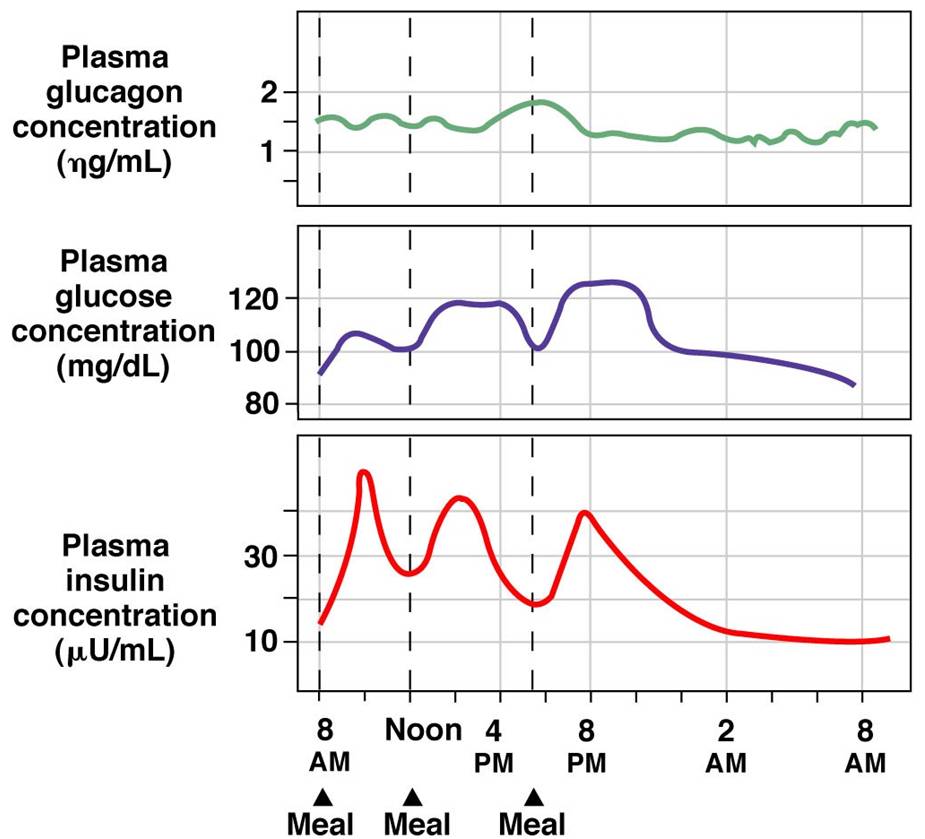
When we talk about "Pharmacokinetics" (how the body processes a drug), we look at two main things: how high the blood sugar goes and how fast it gets there.
- Speed of Action: Both the modern auto-injectors (like Gvoke) and the nasal powder (Baqsimi) typically begin to raise blood glucose within 5 to 15 minutes. The "T-max" (time to maximum concentration) is slightly different between the two, but in clinical terms, they are both considered "rapid-acting" enough for emergency use.
- Environmental Resilience: This is where the engineering of the molecules shines. Modern liquid glucagon uses surfactants—molecules that sit on the surface of the peptide to prevent it from sticking to the glass or to other peptides. This stability allows these devices to live in your "go-bag" through summer heat and winter chills (within specific ranges), unlike the old kits which were much more sensitive.
User Experience (UX) in a Crisis: Why Design Matters More Than Ever
In the world of medical devices, we talk about "Human Factors Engineering." This is the practice of designing products so they are easy to use by people who are under extreme stress, sleep-deprived, or untrained.
The "Two-Step" vs. "One-Push"
- Gvoke HypoPen: It’s a two-step process. 1. Pull off the cap. 2. Push the device against the skin. The feedback is tactile (the resistance of the spring) and audible (the "click").
- Baqsimi: It’s effectively a one-push process. 1. Remove from the shrink-wrap/tube. 2. Insert into the nostril and push the plunger.
Manufacturers now put these devices through "simulated use" testing. They give the device to a "panicked bystander" who has never seen it before and see if they can figure it out in under 30 seconds without reading the manual. This is why the instructions are now printed in giant icons directly on the device or its case.

The Next Frontier: Pre-filled Syringes and Smart Integration
The evolution hasn't stopped. Zegalogue (dasiglucagon) is the latest entrant, offering another version of a pre-filled auto-injector and a pre-filled syringe. Dasiglucagon is an "analog" of human glucagon, meaning it’s been slightly modified at the molecular level to be even more stable in liquid form.
Could Rescue Tech Get "Smart"?
As a tech enthusiast, I’m often asked: "When will my glucagon talk to my phone?" We are already seeing the groundwork for this. Imagine a future where:
- Your CGM (Continuous Glucose Monitor) detects a rapid drop.
- It sends an alert to your phone, which then "pings" your glucagon kit.
- The kit’s case flashes a bright LED so a bystander can find it easily.
- Once the device is used, it automatically calls emergency services and sends your GPS coordinates to your emergency contacts.
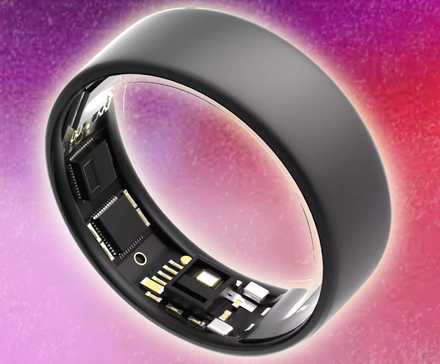
We are also seeing a trend toward miniaturization. The goal is to make these devices so small and discreet that there is no excuse not to carry one.
Choosing Your Tech: Which Rescue Device Fits Your Lifestyle?
So, which one should you choose? As someone living with T1D, I recommend looking at three factors:
- Caregiver Comfort: Who is most likely to be the one administering it? If it’s a school teacher or a co-worker, they might find the nasal powder (Baqsimi) less intimidating. If it’s a spouse or a gym partner, the auto-injector (Gvoke or Zegalogue) is equally simple.
- Portability: The Baqsimi tube is quite small and light, making it great for runners. The HypoPen is shaped like a pen, fitting easily into a pencil case or a purse.
- Insurance and Accessibility: Unfortunately, tech comes at a price. Check your formulary. Many of these companies offer "copay cards" that can bring the cost down to $0 or $25. Actionable Tip: Always have your doctor write the prescription for a "2-pack." You want one for your home and one for your bag/school/office.
Practical Advice for the "High-Tech" T1D:
- Check Expiration Dates Every 6 Months: Put a recurring reminder in your phone. These devices are stable, but they aren't forever.
- Train Your "Inner Circle": Don’t just tell people you have a kit. Show them the "Trainer" devices (most manufacturers provide needle-less versions for practice). Let them feel the "click" of the spring or the resistance of the plunger.
- Keep it Accessible: A life-saving device in a locked safe or at the bottom of a cluttered "junk drawer" is useless.
Final Thoughts
We have come a long way from the "Red Box" chemistry sets of the 90s. The engineering inside a Gvoke pen or a Baqsimi canister is a testament to how far diabetes technology has advanced. These aren't just medications; they are precision-engineered safety nets that offer us the freedom to live active, adventurous lives with the peace of mind that if things go sideways, the solution is simple, fast, and reliable.
What’s in your kit? If you’re still carrying the old-school manual vial and syringe, it might be time to talk to your endocrinologist about upgrading to the next generation of rescue tech. It’s a conversation that could quite literally save your life.
Want more deep dives into the latest diabetes hardware? Subscribe to our newsletter for weekly reviews on CGMs, pumps, and the future of automated insulin delivery!