Loading...
just-diagnosed#diabetes essentials#newly diagnosed diabetes tips#managing blood sugar
The Night I Forgot My Meter: 3 Diabetic Essentials I Never Leave Home Without
Blood Sugar Control
March 18, 20268 min read
There I was, sitting at a beautifully decorated mahogany dining table, the air thick with the mouth-watering scent of rosemary-roasted chicken and garlic mashed potatoes. It was my first month living with a Type 2 diabetes diagnosis, and I was determined to prove to myself—and my friends—that my life hadn't changed all that much. I had spent the afternoon meticulously researching the carb counts of common dinner party foods, feeling like a secret agent on a high-stakes mission.
But as the host began to plate the food, a cold shiver that had nothing to do with the air conditioning ran down my spine. I reached into my bag for my testing kit, my fingers searching for the familiar rectangular case. Nothing. I felt deeper, past my wallet and my keys. My heart did a somersault. I had left my glucose meter sitting on the kitchen counter at home, right next to the half-empty glass of water I’d used to take my morning meds.

The rest of the night was a blur of "flying blind." Every bite of that delicious meal felt like a gamble. Was the sauce sweetened with sugar? How many carbs were actually in that "small" scoop of potatoes? Without my meter, I had no way of knowing how my body was reacting. The mental toll was exhausting; instead of laughing at my friend’s jokes, I was internally spiraling, wondering if my blood sugar was skyrocketing or if the walk from the car had dipped me too low. That night, I made a vow: I would never be caught unprepared again.
Why Preparation is Your New Best Friend
When you are first diagnosed, it feels like you are carrying a heavy backpack of "what-ifs" everywhere you go. The fear is reactive—you react to a high, you react to a low, and you react to the overwhelming amount of new information. But over time, I’ve learned that the secret to reclaiming your freedom isn’t found in perfection; it’s found in preparation.
Transitioning from reactive fear to proactive management is a total game-changer. Think of your supplies not as "medical baggage," but as your security blanket. When you know you have what you need, the anxiety that usually hums in the background of your life starts to fade. You stop wondering "what if" and start knowing "I can handle this."
If you’re newly diagnosed, please hear this: mistakes are okay. Forgetting your meter, miscalculating a dose, or running out of test strips doesn't make you a "bad diabetic." It makes you a human being learning a complex new skill. The goal isn't to never make a mistake; it's to build systems that make those mistakes less stressful.

Essential #1: The Backup Meter (And Why One is Never Enough)
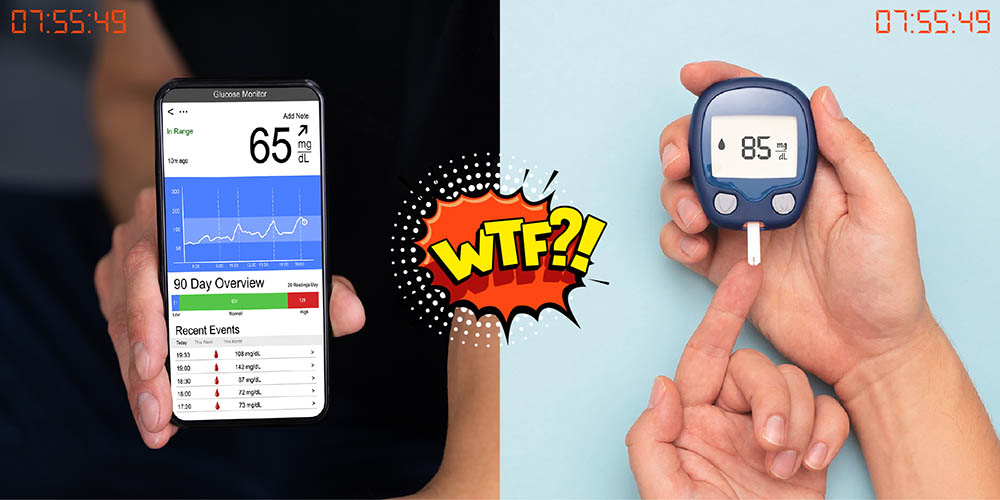
After the dinner party disaster, I became a "two-meter" person. Many of us now use a Continuous Glucose Monitor (CGM), which is a technological marvel. It’s like having a fuel gauge for your body. However, technology can—and will—fail. Sensors fall off in the shower, transmitters die, or sometimes the readings just feel "off."
This is why my first essential is a manual backup meter. I follow a "Car Kit vs. Go Bag" strategy. My "Go Bag" is the small pouch that stays in my purse or backpack at all times. But the real lifesaver is the "Car Kit." I keep a secondary, inexpensive meter in my glove compartment (stored in a climate-controlled case to protect the strips). This ensures that even if I walk out the door in a rush and forget my primary bag, I have a fallback waiting for me in the driveway.
Managing the Logistics
Having extra gear is only helpful if it actually works. I’ve set a recurring "Diabetes Maintenance" alarm on my phone for the first Sunday of every month. During this time, I:
- Check the Batteries: There is nothing more frustrating than a "Low Battery" icon appearing right when you need a reading.
- Check Expiration Dates: Test strips are sensitive. Using expired strips can give you wildly inaccurate readings, which is almost worse than having no reading at all.
- Rotate Stock: I move the oldest strips to my "Go Bag" to be used first and put the newest ones in the "Car Kit."
Essential #2: The 'Low' Lifesaver (Fast-Acting Glucose)
We’ve all been there: that shaky, sweaty, "I need to eat everything in the pantry" feeling of a hypoglycemic episode. In the beginning, I used to reach for a chocolate bar or a brownie when I felt low. I quickly learned that while those are delicious, they are terrible medical treatments for a low. The fat in chocolate slows down the absorption of sugar, meaning your blood sugar stays low longer while you continue to feel miserable.
You need fast-acting glucose—something that hits your bloodstream like a lightning bolt. This is a medical necessity, not a snack.
My Favorite Portable Options
I’ve tried everything, and here are my top picks for portability and effectiveness:
- Glucose Tablets: They don't melt, they come in various flavors, and they are pre-measured (usually 4 grams of carbs per tablet).
- Glucose Gels: These are perfect for intense lows because they require zero chewing. I keep these in my running belt.
- Smarties or Hard Candies: While not "medical grade," they are easy to carry and provide a quick dextrose hit.
Pro Tip: Avoid keeping chocolate or soft gummies in your car or pocket. There is nothing more demoralizing than needing a glucose boost and finding a melted, sticky mess inside a wrapper. I prefer the plastic tubes of glucose tabs; they are crush-proof and can survive being tossed around in a gym bag.

Essential #3: The Medical ID That Speaks for You
There is often a lingering stigma around wearing medical identification. For a long time, I thought, "I'm not that sick. I don't need a clunky metal bracelet." But I realized that a medical ID isn't a sign of weakness; it's a tool for empowerment. If I’m ever in a situation where I can’t speak for myself—whether it’s a severe low or an unrelated accident—that little piece of jewelry speaks volumes to first responders.
Modern and Stylish Options
Gone are the days of the giant, scratchy "MedicAlert" bracelets that look like they belong in a hospital ward. Today, you can find:
- Silicone Bands: Great for athletes or casual wear. They come in every color imaginable.
- Elegant Jewelry: Many companies now create stunning gold, silver, and rose gold bracelets and necklaces that look like high-end fashion pieces but have the universal medical symbol on the back.
- Watch Band Tags: If you wear a smartwatch, you can buy small metal tags that slide right onto the band.
The Digital Lifeline
Don't forget the power of the smartphone you’re likely holding right now. Both iPhone and Android have "Medical ID" features that can be accessed by emergency services even if your phone is locked. I spent five minutes setting mine up, listing my diagnosis, my medications, and my emergency contacts. It’s a free, invisible layer of protection that everyone should have.

The 30-Second Doorway Checklist
The best way to ensure you never have a "Dinner Party Disaster" is to create a habit loop. I call it the "Check, Tap, Go" method. Before my hand even touches the doorknob, I pause for 30 seconds.
- Check: Do I have my meter (or is my CGM connected)?
- Tap: I tap my pocket or bag to feel for my glucose tabs.
- Go: I check for my Medical ID (on my wrist or phone).
Involving your family or friends in this process can also be incredibly helpful. My spouse now knows to ask, "Got your tabs?" before we leave for a hike. At first, I felt like a burden, but then I realized: they love me and want me to be safe. Letting them help with the "gear check" gives them a way to support me in a journey that can often feel very solitary. It’s not a burden; it’s a partnership.

Conclusion: Turning Panic into Empowerment
That night at the dinner party, I felt small, scared, and out of control. But looking back, it was the best thing that could have happened to me. It forced me to stop winging it and start managing it. By carrying these three essentials—a backup meter, fast-acting glucose, and a medical ID—I reduced my daily diabetes anxiety by at least half.
If you are newly diagnosed, please know that it gets easier. The "baggage" you carry today will eventually feel as natural as carrying your wallet or your keys. You are not defined by your diagnosis, but you are empowered by your preparation.
What about you? What is the one item you never leave home without? Share your "must-haves" in the comments below—you never know who your tip might help!