The Vinegar Ritual: How I Use Acetic Acid to Master Social Dining and Manage Blood Sugar Spikes
From Fear to Freedom: My Journey Back to the Dinner Table
I still remember the cold, clinical air of the doctor’s office the day I received my diagnosis. My A1c was in a range that felt like a life sentence, and my fasting glucose numbers were a constant source of morning anxiety. For months after that, my world shrank. I viewed every invitation to a birthday dinner or a casual brunch as a minefield. I became the person who sat awkwardly at the end of the table, nursing a glass of plain water while everyone else shared appetizers and laughter. I was terrified that a single slice of sourdough or a side of roasted potatoes would send my glucose levels into a tailspin that would take days to correct.

But here is the thing about restriction: it isn't sustainable. Living in fear of food isn't "health"—it's a different kind of illness. The turning point for me came when I realized I didn't want to choose between my metabolic health and my social life. I wanted both. I began obsessively researching the biochemistry of glucose spikes, looking for "hacks" that weren't just about what I couldn't eat, but how I could buffer the impact of the things I loved.
That search led me to a simple, pungent, and ancient tool: acetic acid. Specifically, the ritual of the pre-meal vinegar dose. Today, I don’t just "survive" dining out; I master it. I’ve moved from a state of constant glucose volatility to a place of sustained remission, where my CGM (Continuous Glucose Monitor) shows a steady, rolling hill rather than a jagged mountain range. This is my story of moving from restriction to strategic management.
The Science of the Sip: Why Acetic Acid is a Glucose Game-Changer
To understand why I now carry apple cider vinegar packets in my bag like they’re gold bullion, we have to look at what happens inside the small intestine. When we eat starches—think bread, pasta, rice, or potatoes—our body uses an enzyme called alpha-amylase to break those complex chains down into simple glucose.
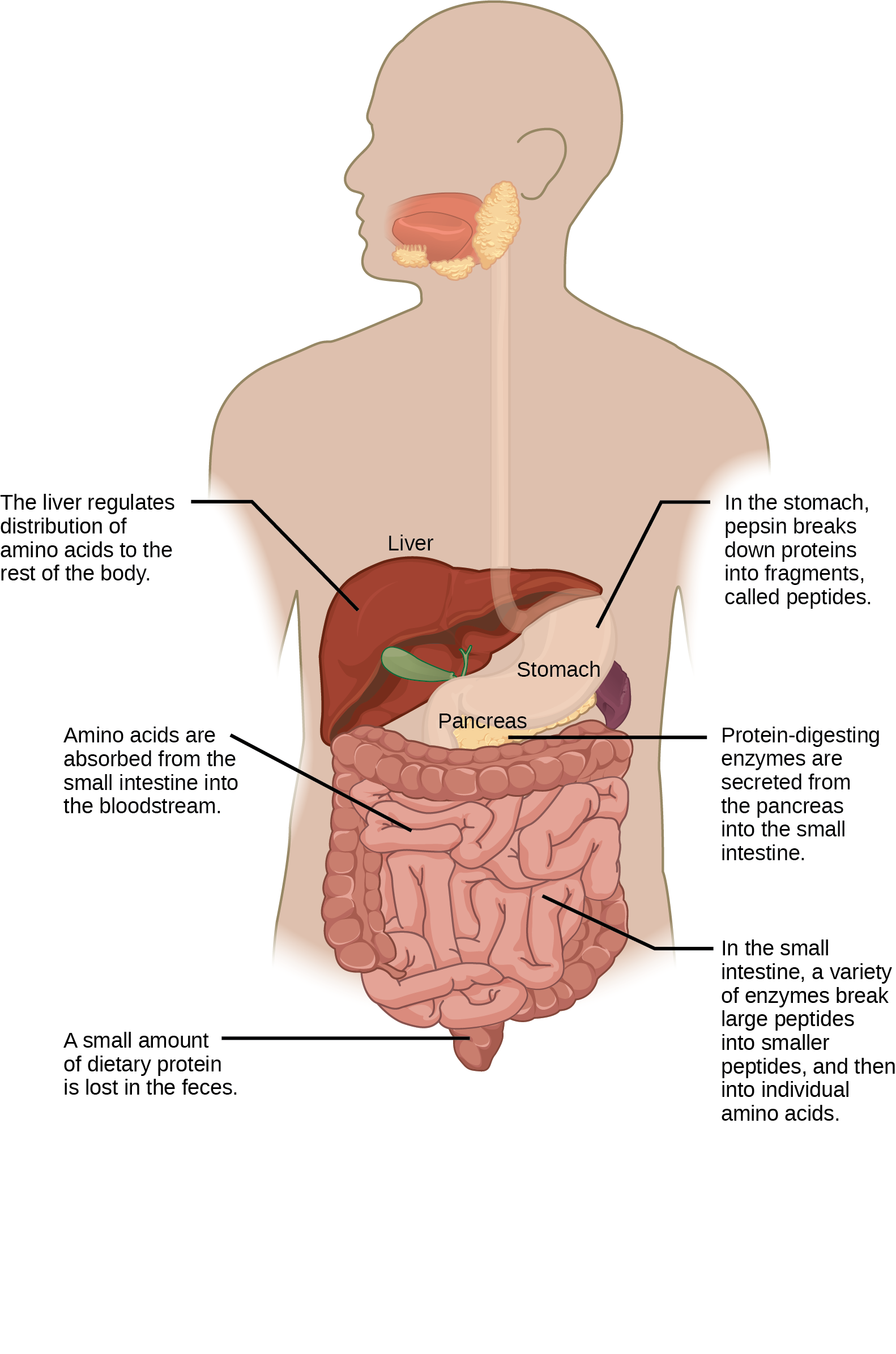
Acetic acid, the primary component of vinegar, is a natural inhibitor of this enzyme. When you consume vinegar before a meal, the acetic acid temporarily slows down the activity of alpha-amylase. This means the starch is broken down more slowly, and the glucose enters your bloodstream at a much more manageable pace. Instead of a massive flood of sugar hitting your system all at once, you get a slow, steady trickle.
But the benefits don't stop at digestion. Acetic acid also tells our muscles to soak up glucose more efficiently. It improves insulin sensitivity in the moment, meaning your body needs less insulin to move that sugar out of your blood and into your cells for energy. For someone like me, who was once insulin resistant, this "glucose buffer" is the difference between a post-meal nap (the dreaded sugar crash) and feeling energized and clear-headed after a celebration.
The Pre-Meal Protocol: My Step-by-Step Vinegar Ritual
When I first started this, I thought I had to drink a whole bottle of vinegar to see results. Thankfully, science is much more forgiving. Through trial, error, and a lot of finger-pricking, I’ve refined my "Golden Protocol."
The Ratio and the Vessel
My standard dose is one tablespoon of vinegar diluted in a tall glass of water (at least 8 to 10 ounces). You should never drink vinegar straight; the acidity can be hard on your tooth enamel and your esophagus. I always use a straw when I’m at home to further protect my teeth.
The Window of Opportunity
Timing is the most critical factor. I’ve found that the "sweet spot" is 10 to 20 minutes before the first bite. This gives the acetic acid time to reach the small intestine and prepare the "enzyme blockade" before the starches arrive. If I’m at a restaurant, I’ll order my vinegar drink as soon as the server arrives for water orders.

Portable Options for the Social Butterfly
You won't always be in your kitchen with a bottle of organic ACV. When I’m on the go, I use these three tricks:
- ACV Packets: You can buy single-serve vinegar sachets that fit easily in a wallet or purse.
- The Lemon & Vinegar Request: Almost every restaurant has red wine vinegar or balsamic in the kitchen. I simply ask for a side of vinegar and a glass of sparkling water with lemon.
- The "Vinaigrette" Shortcut: If I can't get a drink down, I’ll ask for an extra side of vinaigrette and eat two spoonfuls of it before the meal starts.
Navigating the Menu: Pairing Vinegar with Social Favorites
The vinegar ritual isn't a license to eat an entire cake, but it is a powerful tool for enjoying "fun" carbs in moderation. Over the years, I’ve developed a "Menu Navigation Strategy" that pairs the vinegar ritual with smart eating mechanics.
The 'Starter Salad' Trick
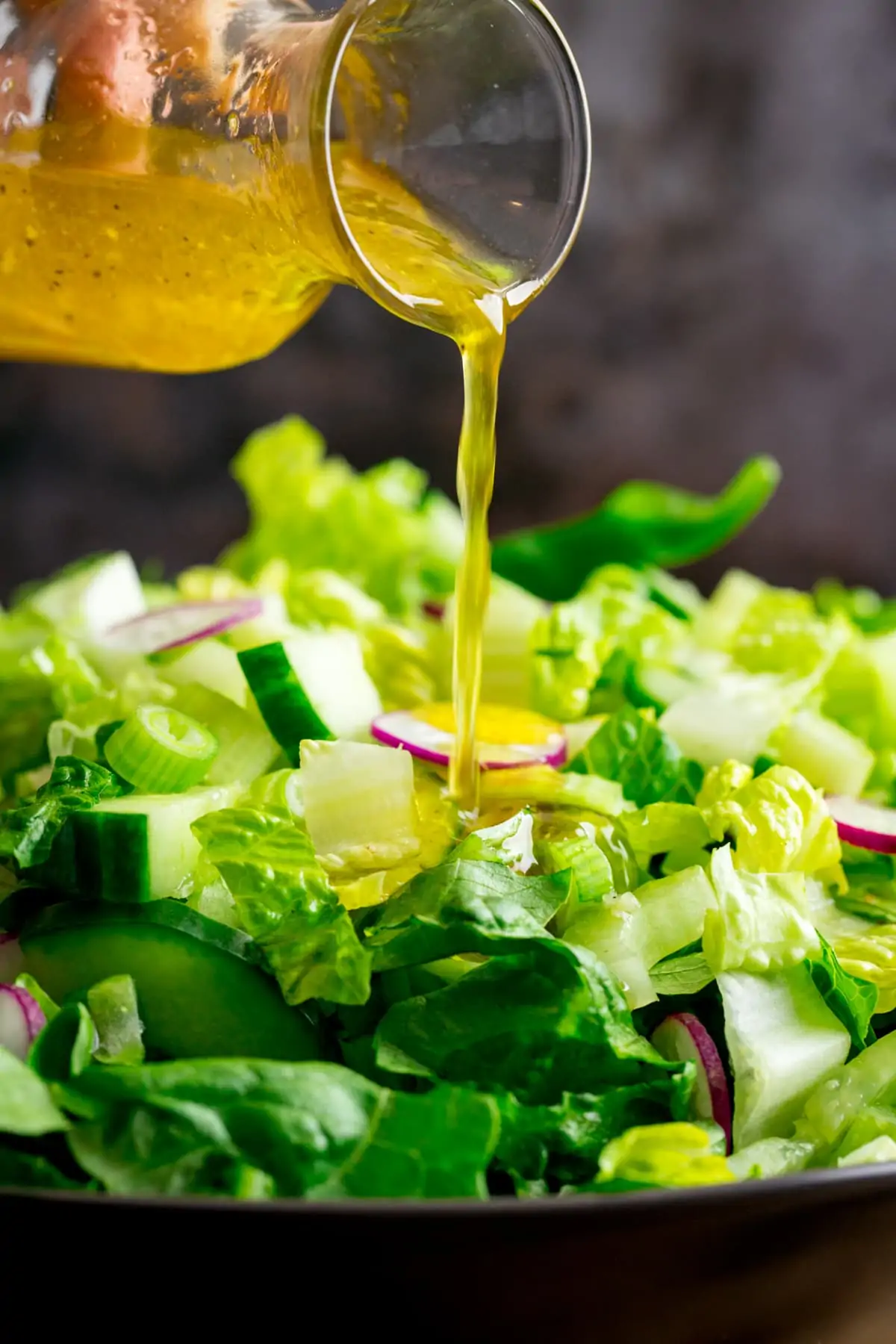
The most effective way to use vinegar in a social setting is through a starter salad. Fiber is the other great "glucose buffer." By ordering a green salad with an oil-and-vinegar dressing as my first course, I’m getting a double-defense mechanism. The fiber coats the intestinal wall, and the vinegar slows the enzymes. By the time the main course arrives, my body is primed to handle the glucose.
Managing the Order of Operations
I follow a strict "Order of Operations" that has become second nature:
- Vinegar Drink (15 mins prior)
- Fiber (Greens, broccoli, asparagus)
- Fats and Proteins (Steak, salmon, avocado, nuts)
- Carbs (The sourdough, the fries, or the dessert)
By eating the carbs last, you are placing them on top of a "buffer" of fiber and protein, all while the acetic acid is working its magic. I’ve seen my CGM stay almost completely flat after eating a moderate portion of pasta, simply because I followed this sequence.
The Social Side: How to Handle Inquisitive Friends and Waitstaff
One of the biggest hurdles in my recovery wasn't the biology—it was the social awkwardness. I used to feel like a "difficult" diner. I didn't want to be the person making a scene about my blood sugar. However, I eventually realized that people are far less interested in what you’re doing than you think they are.
Dealing with the "Weirdness" Factor
When friends ask why I’m drinking cloudy water before dinner, I don't give a 20-minute lecture on alpha-amylase. I keep it light and confident.
- "It’s a little ritual that helps my digestion feel great."
- "It’s my 'secret weapon' for staying energized after a big meal."
- "Just a health hack I’m trying—it works wonders for my energy levels!"
Scripting the Server Request
Waitstaff are usually happy to help if you’re polite and direct. Here is exactly what I say: "Could I actually get a small side of red wine vinegar—just in a ramekin—and a tall glass of sparkling water? I like to mix them for my digestion before I eat. Thank you so much!" Nine times out of ten, they bring it without a second thought. Sometimes they even ask if I want a lemon wedge to make it taste better!

Beyond the Spike: The Long-Term Impact on My Metabolic Health
The most profound change hasn't been just the numbers on my glucose monitor, though those have been incredible. When I look at my data from three years ago versus today, the difference is night and day. My "Time in Range" (the percentage of the day spent between 70-140 mg/dL) went from a shaky 60% to a rock-solid 95%.
But the psychological benefit is even greater. Before the vinegar ritual, a social dinner felt like a "cheat meal" that came with a side of guilt and a physical "hangover" of lethargy and brain fog. Now, I feel in total control. I know how to buffer my system. I know how to enjoy a celebration without compromising the progress I’ve made in my recovery.

This ritual was a cornerstone of my journey to sustained remission. By preventing those massive spikes, I reduced the overall inflammation in my body and gave my pancreas the "rest" it needed to function properly again. My energy levels are stable, my cravings have vanished, and I no longer feel like a prisoner to my diagnosis.
Conclusion: Taking Your Seat at the Table with Confidence
If you are currently where I was—staring at a menu with a sense of dread—I want you to know that there is a way back. Managing your blood sugar doesn't have to mean the end of your social joy. It just means becoming a "biochemical architect" of your own meals.
The vinegar ritual is a simple, low-cost, and scientifically backed tool that can change the way your body processes every bite. I encourage you to try it tonight. Start with a tablespoon of ACV in water before your dinner. Watch how you feel an hour later. If you have a CGM, look at the data.
Recovery is not about perfection; it’s about strategy. It’s about finding the tools that allow you to live a full, delicious life while keeping your metabolic health a priority. You deserve a seat at the table, and with a little bit of acetic acid and a lot of confidence, you can enjoy every bit of it.

Ready to master your glucose? Join our community at "Blood Sugar Control" for more evidence-based strategies, recipes, and personal stories of metabolic recovery. Your journey to freedom starts with a single sip!