Loading...
just-diagnosed#first diabetes prescription#managing metformin#pharmacy tips for diabetics
The Pharmacy Counter Standoff: Navigating the Maze of Your First Diabetes Prescription
Blood Sugar Control
April 4, 20269 min read
I walked out of my doctor’s office clutching a small, crinkled piece of paper as if it were a live grenade. Just an hour prior, I was a person who rarely took so much as an aspirin. Now, I was a person with a "chronic condition." The diagnosis was a blur of medical jargon, but that slip of paper—my first prescription for Metformin—was undeniably real.
I headed straight to the local pharmacy, my heart thumping against my ribs. When I walked through those sliding glass doors, I felt like everyone was looking at me. I felt like a "deer in headlights," standing at the back of a line that seemed miles long. To the people around me, it was just a Tuesday afternoon chore. To me, it felt like a standoff. I was standing at the threshold of a new life, and the pharmacist behind that high counter was the gatekeeper.
Holding that first script is an emotional weight that no one prepares you for. It’s more than just a request for medicine; it’s a physical manifestation of the fact that things have changed. If you’re standing in those shoes right now, feeling that same "rookie" anxiety, I want you to take a deep breath. You aren't just picking up pills; you’re picking up your first set of tools for a massive comeback.

Decoding the Script: What Is All This Stuff?
When you finally get to the front of the line and hand over that paper (or confirm the digital transfer), you might realize you have no idea what you’re actually asking for. Most first-timers are prescribed Metformin, often called the "gold standard" for Type 2 management. Or, perhaps your doctor started you on one of the newer GLP-1 agonists, like Ozempic or Mounjaro, which often come in pen injectors.
The terminology can be dizzying. You’ll see terms like "ER" or "XR" (Extended Release) or "BID" (twice a day). Understanding these is your first step toward mastery. For instance, if your script says "take with meals," it’s not a suggestion—it’s a strategy to minimize stomach upset.
I’ll never forget my own "oops" moment. My script said "once daily," and in my nervous haste, I took it right before bed on an empty stomach. By 3:00 AM, my stomach was staging a full-scale protest. Had I read the fine print or asked the pharmacist to clarify, I would have known that "once daily" for me meant "with your largest meal." Always, always read the label before you leave the store. If the instructions on the bottle don’t match what you remember the doctor saying, don't leave until you've cleared it up.

The Insurance Gauntlet: Handling the 'Prior Authorization' Blues
Nothing kills the momentum of a "healthier me" journey faster than the pharmacist saying, "It looks like your insurance requires a prior authorization." It’s the ultimate buzzkill. Essentially, it means your insurance company wants your doctor to prove you actually need this specific medication before they’ll pay for it.
During my first trip, I felt a wave of hot frustration. I wanted to start my journey now, not in three to five business days! But here is the secret: stay calm and stay enthusiastic. The pharmacist isn't the villain; they are often caught in the middle.
If you hit a wall, ask the pharmacist to call your doctor’s office while you wait, or call the office yourself right there in the aisle. Sometimes, a simple switch from a brand-name drug to a generic equivalent is all it takes to bypass the red tape. Generics are chemically identical to brand names but significantly cheaper. Don’t be afraid to ask, "Is there a generic version covered by my formulary?" Being proactive here can be the difference between a $10 copay and a $500 headache.

The Pharmacist Is Your New Best Friend (Seriously!)
We often treat the pharmacy like a fast-food drive-thru: get the bag, pay the money, and leave. But your pharmacist is a highly trained doctoral professional who knows more about drug interactions than almost anyone else on your care team. It’s time to move past the transactional mindset.
When I stopped treating my pharmacist like a cashier and started treating them like a consultant, everything changed. I started using the "consultation window"—that little area off to the side where you can talk privately.
Here are the three questions I wish I’d asked during my very first visit:
- "What is the most common side effect, and how can I mitigate it?" (This would have saved me from the Metformin tummy!)
- "Does this medication interact with my daily multivitamin or my occasional ibuprofen?"
- "How should I store this?" (Some meds need the fridge; others hate the heat of a bathroom medicine cabinet.)
Building this relationship means that when there’s a shortage or an insurance hiccup later on, you’re a person to them, not just a prescription number.

The First Dose Jitters: What to Expect When You Get Home
So, you’ve survived the standoff. You’re home. The bag is on the kitchen counter. Now comes the hard part: actually taking it. The anxiety of that first dose is real. Will I have an allergic reaction? Will I feel dizzy?
I remember staring at my first Metformin pill for a good ten minutes. I’d heard the horror stories of "Metformin tummy"—the bloating and the sudden sprints to the bathroom. And yes, for the first 48 hours, my digestion was... let's call it "energetic." But I pushed through because I knew my body was adjusting to a new metabolic rhythm.
The key is to track your body’s reaction. Keep a small notebook or a note on your phone. How do you feel two hours after the dose? How are your energy levels? Most side effects are temporary. If you know what to expect, the "jitters" turn into a science experiment where you are the lead researcher.

Organization Hacks for the Newly Medicated
Going from taking zero medications to a daily regimen is a massive cognitive load. If you rely on memory alone, you will fail. I learned this the hard way when I found myself at work wondering, "Did I take my pill with breakfast, or did I just think about taking it?"
To save your sanity, you need a system.
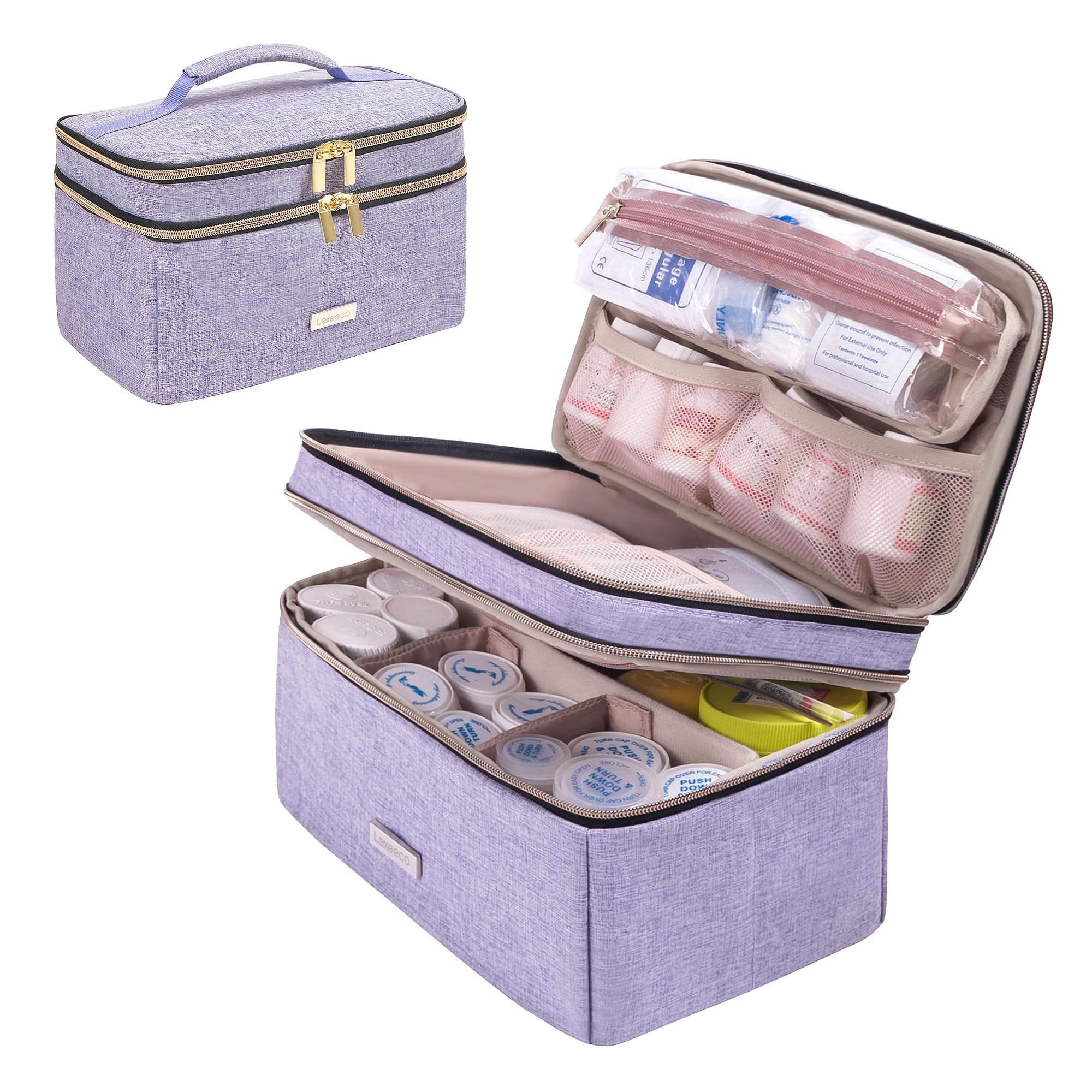
- The Pill Organizer: It’s not just for your grandparents. A sleek, modern pill-minder ensures you never double-dose or miss a day.
- Smartphone Reminders: Set a recurring alarm. Label it something positive like "Fuel for Freedom" rather than "Diabetes Meds."
- The 'Diabetes Station': Create a dedicated spot in your house. I have a specific shelf in my pantry where my medication, my glucose meter, and my logbook live. Everything is accessible, organized, and out of the way. When it’s all in one place, the "chore" of management feels much more contained.
Saving Your Sanity (and Your Wallet): Coupons and Copay Cards
Let’s talk about the elephant in the room: the cost. Diabetes medications can be expensive, especially the newer, non-generic ones. But there is a secret world of savings that many people miss.
Manufacturer copay cards are a godsend. Most pharmaceutical companies offer cards on their websites that can drop your copay to as low as $25, even if your insurance is being stubborn. I once helped a friend find a coupon that took her monthly cost from $150 to $10.
Additionally, apps like GoodRx can sometimes offer a lower price than your actual insurance copay. It sounds wild, but it’s true. Before you pay full price at the counter, do a quick search. Being your own advocate isn't just about your health; it’s about your financial wellness, too. Never be embarrassed to ask the pharmacist, "Is there a coupon or a discount program for this?" They often have a drawer full of them!

Victory at the Counter: You’re More Than a Diagnosis
The first trip to the pharmacy often feels like a defeat. It feels like you’ve lost a battle and now you’re tethered to a bottle of pills for life. But I want to challenge you to reframe that thought.
That prescription isn't a ball and chain; it’s a tool for freedom. It’s the key that unlocks your ability to keep your energy up, protect your kidneys, and stay active for years to come. When you stand at that counter for your first refill, you won't be a "rookie" anymore. You’ll be a person who took charge of their health when things got tough.
This "standoff" at the pharmacy counter is actually the start of your comeback story. You’ve navigated the maze, you’ve asked the hard questions, and you’ve built your system. Now, take that dose, drink your water, and keep moving forward. You’ve got this!

Ready to master your blood sugar journey? Check out our other guides on meal planning and exercise for beginners to keep your momentum going!