The 'Cool Room' Protocol: How Sleeping in the Cold Activates Brown Fat for Overnight Blood Sugar Control
The Hidden Metabolic Engine: Introduction to the Cool Room Protocol
In the realm of naturopathic medicine, we often speak about "The Terrain." This concept suggests that the environment in which our cells live determines our health outcomes. For decades, we have focused almost exclusively on the internal terrain—what we eat, how we supplement, and how we manage stress. But as an expert in environmental medicine and diabetes, I’ve seen a massive piece of the puzzle being ignored: the external thermal environment.
We live in an era of "thermal monotony." We move from climate-controlled houses to climate-controlled cars to climate-controlled offices. By maintaining a constant 72°F (22°C), we have effectively silenced an ancient metabolic pathway designed to keep us lean and our blood sugar stable. From a naturopathic perspective, this "always warm" lifestyle is a form of environmental stagnation. It allows our metabolic machinery to grow rusty.
The revolutionary link between ambient temperature and glucose disposal is one of the most exciting frontiers in blood sugar management. By strategically lowering the temperature of our sleeping environment—a method I call the Cool Room Protocol—we can re-awaken a dormant tissue in the body that acts as a natural vacuum for excess blood sugar. This isn't just about comfort; it's about leveraging the laws of thermodynamics to fix a broken metabolism.

White Fat vs. Brown Fat: Why Color Matters for Your Metabolism
To understand the Cool Room Protocol, we must first distinguish between the two primary types of fat in the human body. Most of us are intimately familiar with White Adipose Tissue (WAT). This is the fat we see under the skin and around the midsection. Its primary job is to store energy—excess calories—for a rainy day that rarely comes in our modern world of abundance.
However, we also possess Brown Adipose Tissue (BAT), or "brown fat." For a long time, scientists believed BAT was only present in infants to help them maintain body temperature. We now know that adults retain functional pockets of brown fat, primarily around the neck, collarbones, and spine.
The "brown" in brown fat comes from its incredibly high concentration of mitochondria. If white fat is a stagnant warehouse of stored fuel, brown fat is a high-performance engine. While white fat stores energy, brown fat burns it. It is a "metabolic furnace" that exists for the sole purpose of thermogenesis—generating heat. When activated, brown fat consumes calories and, more importantly for our purposes, it consumes glucose at a staggering rate.

The Science of Thermogenesis: How Cold Clears Glucose
How exactly does a cold room translate to better blood sugar? The secret lies in a specialized protein within the brown fat mitochondria called Uncoupling Protein 1 (UCP1).
When your skin senses a drop in ambient temperature, it sends a signal to the brain, which then activates the sympathetic nervous system. This triggers the release of norepinephrine, which docks onto the brown fat cells. This process "turns on" the UCP1 protein. Normally, mitochondria use fuel to create ATP (cellular energy). UCP1 "uncouples" this process, causing the mitochondria to burn fuel solely to produce heat instead of ATP.
To fuel this heat production, the brown fat cells need a massive amount of energy. They get this by pulling glucose and fatty acids directly from the bloodstream.
The most fascinating part for those managing diabetes is that BAT acts as a "glucose sink." Research has shown that brown fat activation increases whole-body glucose disposal, often through pathways that do not require high amounts of insulin. This means that even if you have insulin resistance, your brown fat can still "reach out" and grab sugar from your blood to keep you warm overnight. By implementing the Cool Room Protocol, we can significantly lower morning fasting glucose levels by ensuring that the "furnace" has been burning off that excess sugar all night long.
Step-by-Step: Implementing the 'Cool Room' Protocol
Transitioning to a cooler sleeping environment should be a gradual process, not a shock to the system. Here is how to implement the protocol effectively:
Finding the 'Goldilocks' Temperature
The "sweet spot" for brown fat activation without causing significant sleep disruption is between 60°F and 67°F (15–19°C).
- Beginners: Start at 70°F and drop the thermostat by one degree every three nights.
- The Target: Most clinical studies on BAT activation find the best results at approximately 66°F (19°C).
The 2-Hour Pre-Sleep Cooling Window
Your body’s core temperature needs to drop to initiate deep sleep. By lowering the house temperature or your bedroom temperature two hours before bed, you signal to your circadian rhythm that it is time to wind down. This "pre-cooling" phase prepares the BAT for its overnight shift.
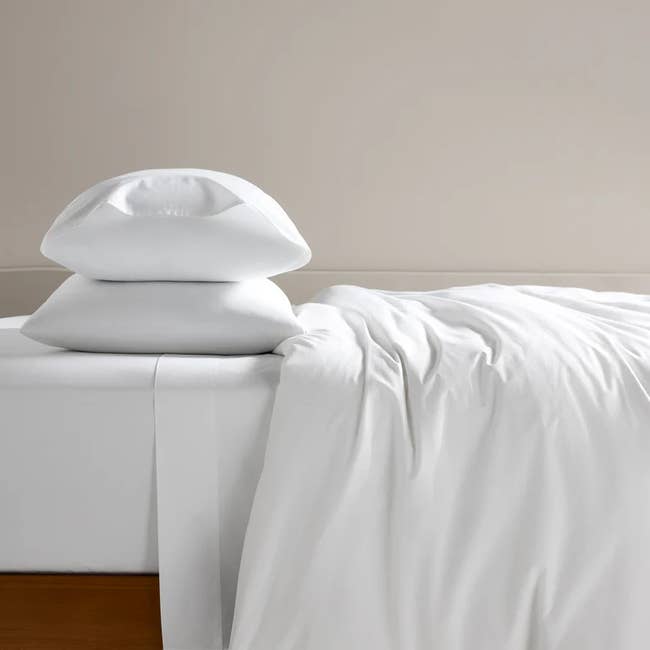
Minimalist Sleepwear and Breathable Bedding
The protocol fails if you lower the room temperature but then bury yourself under three heavy down comforters. To activate BAT, your skin needs to perceive the coolness.
- Bedding: Use natural, breathable fibers like linen or percale cotton. These allow for better airflow than synthetic polyesters.
- Clothing: Wear light cotton pajamas or, ideally, sleep with as much skin exposure as is comfortable. If your feet get too cold (which can prevent sleep), wear thin wool socks, but keep the rest of your limbs relatively exposed to the cool air.
Beyond the Thermostat: Naturopathic Synergies to Boost BAT
As a naturopath, I believe in "stacking" interventions for maximum effect. You can prime your body to respond more vigorously to the Cool Room Protocol using these strategies:
Dietary Activators
Certain compounds in food can stimulate brown fat via "browning"—the process of turning white fat into "beige" fat that behaves like brown fat.
- Capsaicin: The heat in chili peppers stimulates the same receptors that cold does.
- Ginger: Contains gingerols that promote thermogenesis.
- Resveratrol: Found in dark berries and grape skins, this polyphenol has been shown to increase UCP1 expression.
Cold Priming
Before heading to your cool room, try a "face dunk." Submerging your face in ice-cold water for 30 seconds activates the mammalian dive reflex and the vagus nerve, which can help prime the nervous system for cold-induced glucose disposal.
The Melatonin Connection
Melatonin is not just a sleep hormone; it is a metabolic signal. It has been shown to stimulate the recruitment of brown adipose tissue. By optimizing your melatonin production (avoiding blue light at night and sleeping in total darkness), you are providing the hormonal "green light" for BAT to function.

Measuring Success: Tracking Your Overnight Glucose Trends
The most rewarding part of the Cool Room Protocol is seeing the data. If you use a Continuous Glucose Monitor (CGM), you can observe the "Cool Room Effect" in real-time.
Many people with diabetes or pre-diabetes suffer from the "Dawn Phenomenon"—a surge in blood sugar in the early morning hours as the liver releases glucose to prepare the body for the day. When the Cool Room Protocol is working, you will often see a flatter glucose line overnight and a dampened Dawn Phenomenon. Because the brown fat has been "sipping" on blood sugar all night, the morning spike is often significantly reduced.
When tracking, look for:
- Lower fasting glucose: Compare your 7-day average at 72°F vs. 66°F.
- Improved Sleep Quality: Contrary to what you might think, people often report deeper sleep in a cool room, which further improves insulin sensitivity.
- Bio-individual Response: Some people see changes within 48 hours; for others, it takes two weeks for the body to "recruit" enough brown fat to make a measurable difference in glucose.

Common Pitfalls and Safety Considerations
While the "chill" is beneficial, "cold stress" can be counterproductive. If the room is so cold that you are shivering uncontrollably or feeling a sense of panic, your body will release cortisol. Cortisol is a stress hormone that tells the liver to dump more sugar into the blood. The goal is "cool and comfortable," not "freezing and miserable."
Special Notes for Diabetes Types
- Type 2 Diabetes: This protocol is generally very safe and highly effective for improving insulin sensitivity.
- Type 1 Diabetes: Be cautious. Because BAT can significantly increase glucose disposal, you may find you need less basal insulin at night. Work closely with your practitioner and monitor your CGM alerts to avoid nocturnal hypoglycemia.
When to Consult a Professional
Always speak with your naturopathic doctor or primary care physician if you have peripheral neuropathy (reduced sensation in your feet/hands) or Raynaud’s disease, as extreme cold can be problematic for these conditions.

Conclusion: Embracing the Chill for Long-Term Vitality
The Cool Room Protocol is more than a "biohack"; it is a return to our biological roots. By stripping away the artificial warmth of the modern world for just eight hours a night, we allow our bodies to perform the metabolic maintenance they were designed for.
Through the activation of brown fat, we turn our sleep into a period of active glucose management. This holistic approach doesn't just lower a number on a screen; it revitalizes your mitochondria, improves your sleep quality, and builds metabolic resilience.
Don't feel the need to suffer—simply embrace the chill. Start tonight by turning that dial down just two degrees. Your metabolism will thank you in the morning.
Are you ready to take control of your metabolic terrain? Join our community at Blood Sugar Control for more evidence-based, naturopathic strategies to master your glucose and reclaim your health.