Micro-Shifting: The Fascial Release Secret to Lowering Blood Sugar Without a Gym
For years, we’ve been told that the only way to "burn off" high blood sugar is through grueling sessions on a treadmill or lifting heavy weights at the gym. But what if the secret to metabolic health isn’t found in how much you sweat, but in how you move the fluid inside your body?
As a naturopathic practitioner, I’ve seen countless clients struggle with stubborn A1C levels despite strict diets and exercise routines. The missing link is often not the muscles themselves, but the environment surrounding them: the fascia. By embracing a concept I call "Micro-Shifting," we can unlock a hidden reservoir of glucose and flush it into our cells without ever picking up a dumbbell.
The Hidden Reservoir: Why Interstitial Fluid is the Key to Glycemic Control
When we talk about blood sugar, we usually focus on what’s happening inside our veins and arteries. However, your blood is only the transport system. The real "action" happens in the interstitial fluid—the clear, salty liquid that bathes every single cell in your body.
Defining Interstitial Glucose: The Sugar Living Between Your Cells
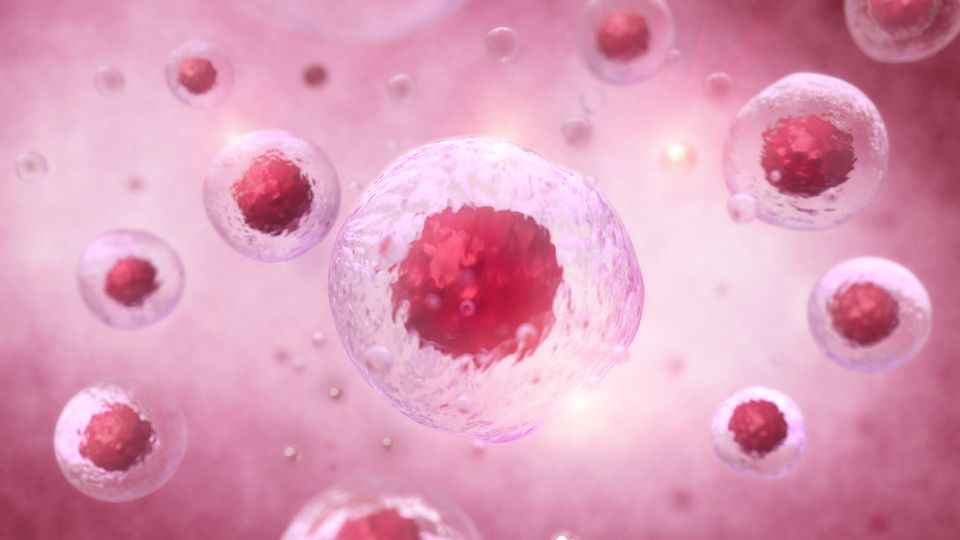
Think of your bloodstream as a highway and your cells as the houses. The interstitial fluid is the driveway and the lawn. Before glucose can enter a cell to be used for energy, it must pass through this fluid. In many people with insulin resistance, glucose gets "stuck" in this middle zone. Even if your blood sugar readings look stable for a moment, the interstitial environment can be saturated with stagnant sugar, creating a toxic, syrupy environment for your tissues.
The 'Stagnant Pond' Analogy
Imagine a pristine mountain stream. The water is clear because it is constantly moving. Now, imagine a stagnant pond. Without flow, algae grows, debris settles, and the water becomes murky. When we are sedentary, our interstitial fluid becomes that stagnant pond. Glucose settles into the connective tissue, and without the mechanical "pumping" of movement, it lingers there, unable to reach the cellular receptors that need it.
Why Traditional Monitoring Only Tells Half the Story
Standard finger-prick tests measure capillary blood. While Continuous Glucose Monitors (CGMs) measure interstitial fluid, they don't tell you why the sugar is high—only that it is. If your fascia is tight and your fluid is stagnant, you might have high glucose readings simply because the "trash" isn't being hauled away from the cellular doorstep.
Fascia: The Biological Information Highway for Insulin
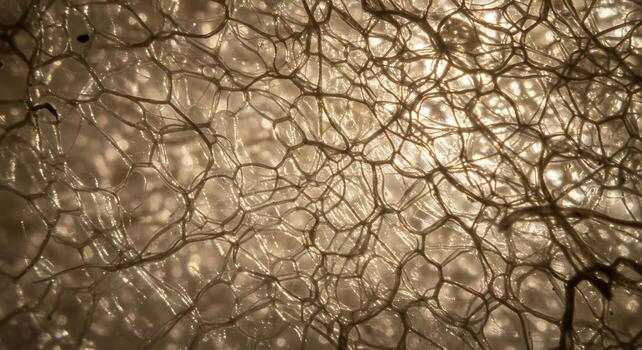
To understand Micro-Shifting, you must understand fascia. Fascia is the silvery-white connective tissue that wraps around every muscle, bone, and organ. For a long time, it was dismissed as mere "packaging," but we now know it is a sophisticated, conductive, fluid-filled network.
Fascia as a Conductive Network
Fascia is primarily made of collagen and water. It acts as a biological fiber-optic cable, sending mechanical and chemical signals throughout the body faster than the nervous system. When fascia is healthy and hydrated, it allows insulin to glide through the body and find its target receptors with ease.
The Role of Hydration in Insulin Delivery
Insulin is a signaling molecule. For it to tell a cell to open up and take in glucose, it needs a fluid medium to travel through. If your fascia is dehydrated or "sticky" due to lack of movement, insulin becomes trapped or slowed down. This creates a state of "metabolic resistance" that has nothing to do with your pancreas and everything to do with your tissue quality.
How 'Sticky' Fascia Creates Resistance
Chronic sitting and repetitive stress cause fascial layers to adhere to one another—a process called "fuzzing." This "sticky" fascia acts like a dam, blocking the flow of nutrients and hormones. When you feel stiff in the morning, you are feeling the physical manifestation of stagnant interstitial fluid and bound-up fascia.
What is Micro-Shifting? The Naturopathic Alternative to Strenuous Exercise
Micro-Shifting is a revolutionary approach to movement that prioritizes tissue glide over muscle strain. Instead of focusing on heart rate or calorie burn, Micro-Shifting focuses on oscillating the connective tissue to stimulate fluid flow.
Defining Micro-Shifting
Micro-Shifting consists of non-linear, low-intensity movements—wiggles, sways, gentle bounces, and rotations—that target the connective tissue. These aren't "exercises" in the traditional sense; they are "fluidity resets."

NEAT vs. EAT: The Power of Frequency
In the world of metabolism, we distinguish between EAT (Exercise Activity Thermogenesis—the gym) and NEAT (Non-Exercise Activity Thermogenesis—everything else). Research shows that NEAT is actually more effective for long-term blood sugar stability than a single hour of intense exercise followed by 23 hours of sitting. Micro-Shifting maximizes NEAT by integrating movement into the "white space" of your day.
The 'Pump Effect'
By using gentle oscillations, you create a pressure differential in the fascia. This acts as a mechanical pump, physically pushing interstitial glucose toward the muscle cells, where it can be absorbed through insulin-independent pathways (like GLUT4 translocation).
The Mechanics of Clearing Glucose Through Fascial Release
How exactly does wiggling lower your A1C? It comes down to three mechanical processes:
- Myofascial Compression: When you compress or stretch the fascia, you squeeze the "old" fluid out of the tissue. When you release, "new" fluid (carrying fresh nutrients) rushes in. This is exactly like squeezing a dirty sponge under a running faucet.
- Breaking Up Cross-Links: Fascia can develop "cross-links" or adhesions that trap metabolic waste. Micro-shifting uses multi-directional movement to "shear" these adhesions, restoring the sliding surface of the tissues.
- Lymphatic Stimulation: Unlike the heart, the lymphatic system (which clears metabolic waste) has no central pump. It relies entirely on movement. Micro-shifting stimulates the initial lymphatics, ensuring that the "syrupy" waste products of high glucose are filtered out of the body.
3 Essential Micro-Shifting Techniques for Immediate Glucose Clearance
You don't need a gym membership for these. You can do them in your kitchen, at your desk, or while watching TV.
1. The Pelvic Tilt Oscillation: Unlocking the 'Metabolic Engine'
The hips and pelvis house some of the largest fascial sheets in the body (the thoracolumbar fascia).
- How to do it: Stand with knees slightly bent. Gently tuck your tailbone under, then arch it back. Move quickly but softly, creating a rhythmic "sloshing" sensation in the lower belly.
- The Benefit: This "stirs" the deep interstitial fluids around your major organs and large muscle groups.
2. The Fascial Bounce: Vibrating Glucose into Cells
- How to do it: Stand with your feet hip-width apart. Keep your heels on the ground and simply bounce your knees quickly. Let your arms, shoulders, and jaw be completely loose.
- The Benefit: This creates a whole-body vibration that breaks the surface tension of the interstitial fluid, allowing glucose to move more freely toward the cell walls.

3. Wall Slides and Thoracic Rotations: Clearing the Upper Reservoir
- How to do it: Stand against a wall and slowly slide your arms up and down in a "Y" shape. Follow this by gently rotating your torso from side to side, letting your arms swing like empty coat sleeves.
- The Benefit: This opens the fascia of the chest and armpits, where major lymph nodes reside, facilitating the drainage of metabolic byproduct.
Strategic Timing: The Post-Prandial Micro-Shift Protocol
Timing is everything. To maximize the impact of Micro-Shifting on your blood sugar, you must align it with your biology.
The 10-Minute Window
The most critical time to move is within 10 to 30 minutes after you finish a meal. This is when glucose is flooding the bloodstream. By Micro-Shifting for just 5 minutes during this window, you "prime the pump," ensuring the glucose is directed into the cells rather than lingering in the interstitial space.
The 'Rule of 30'
For those with sedentary jobs, the "Rule of 30" is a lifesaver. Every 30 minutes, perform 60 seconds of Micro-Shifting. This prevents the "fuzzing" of fascia and keeps the "stagnant pond" from forming.

Using Tools for Targeted Release
While movement is key, tools can help. Using a soft foam roller or a tennis ball under the feet (the plantar fascia) can trigger a systemic fascial release. Rolling the bottom of your feet for two minutes can actually improve the flexibility of your entire back-body and enhance systemic circulation.
Naturopathic Synergy: Hydration and Minerals for Fascial Health
Movement alone isn't enough; the fluid itself must be of high quality.
The Importance of 'Structured Water'
Fascia thrives on "structured" or "gel" water. This is water that is bound to minerals and proteins. To support your fascia, don't just drink plain tap water. Add a pinch of high-quality sea salt or a squeeze of lemon to your water to provide the electrolytes necessary for electrical conductivity.
Magnesium and Potassium: The Spark Plugs
Magnesium is the ultimate fascial relaxant. It helps prevent the "tightness" that leads to stagnant fluid. Potassium acts as the primary intracellular mineral, helping to "pull" the water (and glucose) into the cells.
The Stress Connection
Chronic stress triggers the release of cortisol, which has been shown to make fascia more rigid and "crunchy." When you are stressed, your fascia physically tightens, which is why stress spikes blood sugar even if you haven't eaten. Micro-Shifting acts as a "reset button" for the nervous system, shifting you from "fight or flight" to "rest and digest."

Conclusion: Flow is Health—Embracing a Fluid Lifestyle
Blood sugar management doesn't have to be a battle of willpower and exhaustion. By shifting our perspective from "burning calories" to "cultivating flow," we tap into the body's natural wisdom. Your fascia is a living, breathing system that wants to be fluid, hydrated, and vibrant.
When you embrace Micro-Shifting, you aren't just lowering your blood sugar; you are restoring the very infrastructure of your health. You are turning the "stagnant pond" back into a "mountain stream."
Start today. Stand up, give your body a gentle shake, and feel the fluid move. Those small, rhythmic shifts are the secret to a lifetime of metabolic freedom.
Ready to start your flow? Try the 5-minute "Fascial Bounce" after your next meal and watch how your body responds!