The Phytoncide Effect: Why Nature Walks Beat the Gym for Insulin Sensitivity
Beyond the Treadmill: A New Frontier in Blood Sugar Regulation
For decades, the standard prescription for managing type 2 diabetes or prediabetes has been simple: "Eat less, move more." Usually, this translates to a gym membership, a noisy treadmill, and the grueling pursuit of a target heart rate. But for many, this high-intensity approach yields frustrating results. Have you ever checked your glucose levels after a strenuous 45-minute gym session only to find them higher than when you started?
This phenomenon occurs because traditional gym settings—bright lights, loud music, and the physical strain of high-intensity interval training (HIIT)—can trigger a sympathetic nervous system response. In this "fight or flight" state, your body releases adrenaline and cortisol. These hormones signal your liver to dump stored glucose into the bloodstream to provide energy for the perceived "threat." While you are burning calories, you are simultaneously flooding your system with sugar, often leading to a net gain in circulating glucose and increased insulin resistance over time.

As a naturopathic practitioner, I advocate for a shift in perspective. We need to move beyond the "calories in vs. calories out" myth and focus on hormonal signaling. This is where I introduce The Forest-Flow Protocol. This isn't just a walk in the park; it is a clinical intervention designed to reset your metabolic thermostat. By stepping out of the artificial gym environment and into the woods, we leverage a biological phenomenon that the gym simply cannot replicate: the "Phytoncide Effect."
What are Phytoncides? The Hidden Medicine in the Air
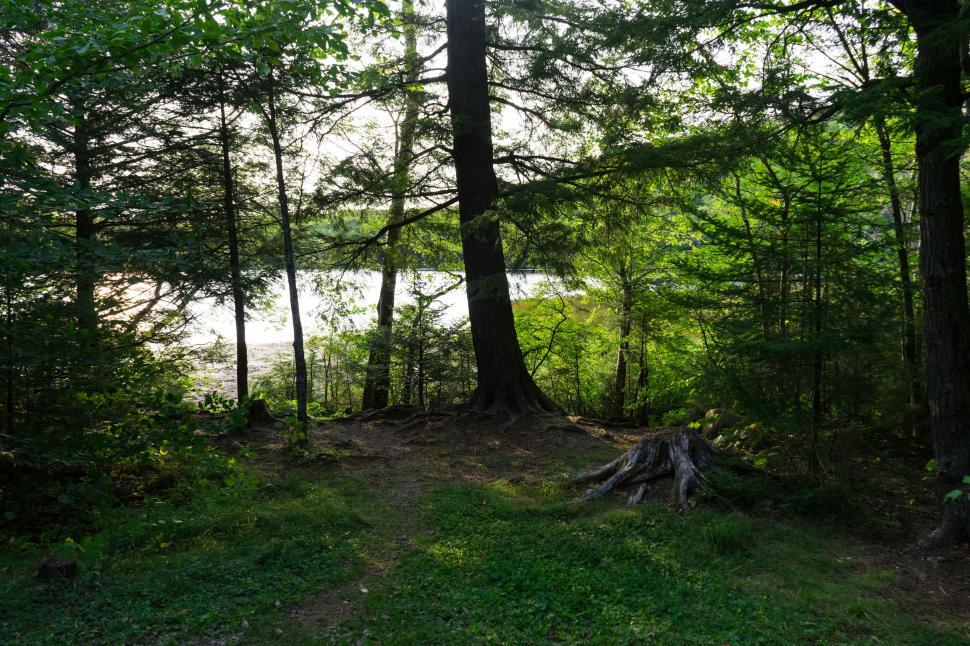
When you walk through a forest, you aren't just breathing "fresh air." You are inhaling a complex chemical cocktail known as phytoncides. These are antimicrobial volatile organic compounds (wood essential oils) emitted by trees like cedar, pine, oak, and spruce to protect themselves from rotting and insects.

When humans inhale these aerosols, the biological impact is profound. Research into Japanese Shinrin-yoku (forest bathing) has shown that phytoncides significantly lower the activity of the sympathetic nervous system (the "stress" system) and boost the parasympathetic nervous system (the "rest and digest" system).
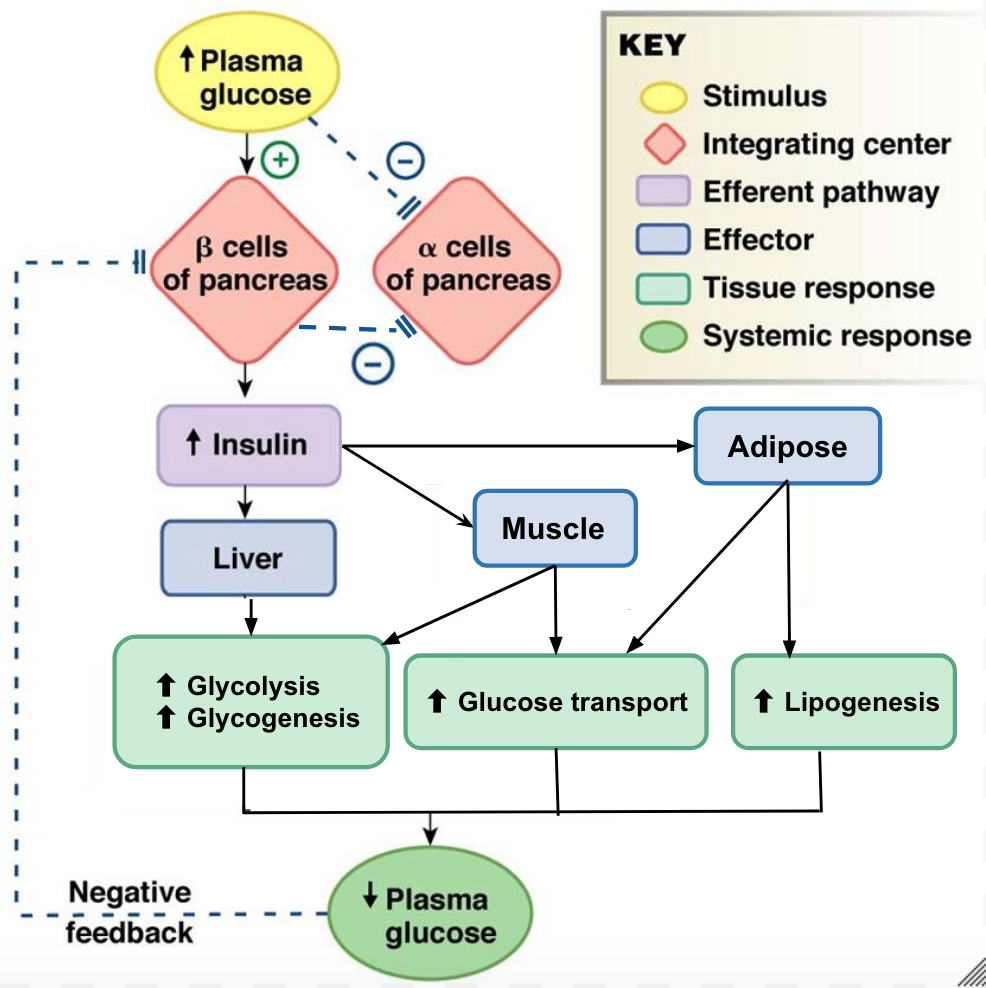
More importantly for those managing blood sugar, these compounds act as natural anti-inflammatory agents. Chronic low-grade inflammation is a primary driver of insulin resistance, particularly inflammation within the pancreas. By reducing systemic inflammation through the inhalation of alpha-pinene and limonene (common phytoncides), we allow the beta cells in the pancreas to function more efficiently, improving the natural secretion and reception of insulin.
The Cortisol Connection: Why Nature Wins the Hormonal Battle
The "gym spike" mentioned earlier is almost entirely a cortisol issue. Cortisol is the enemy of stable blood sugar because it stimulates gluconeogenesis—the process by which the liver creates new glucose from non-carbohydrate sources. In a high-stress gym environment, your body thinks it’s in a survival situation.
In contrast, forest environments trigger an immediate drop in salivary cortisol. When you practice the Forest-Flow Protocol, you are effectively lowering the "stress-insulin barrier." When cortisol levels are low, the insulin your body produces (or the insulin you inject) can work far more effectively. Think of cortisol as a "lock" on your cells; the soothing atmosphere of the forest acts as a lubricant that allows the insulin "key" to turn effortlessly, letting glucose enter the cells where it can be used for energy rather than lingering in your arteries.

Shinrin-yoku and Glycemic Control: The Science of Forest Bathing
This isn't just "woo-woo" wellness; the data is startling. In a landmark study published in the Journal of International Medical Research, researchers tracked type 2 diabetic patients over a period of six years. They compared the effects of indoor exercise with forest walking. The results showed that forest walking led to a significantly greater reduction in blood glucose levels—sometimes dropping levels by as much as 40% more than equivalent exercise in an urban or indoor setting.
Furthermore, nature exposure increases the activity of Natural Killer (NK) cells. While usually discussed in the context of cancer prevention, NK cells play a vital role in managing systemic inflammation. By reducing the "noise" of inflammation, the body’s adiponectin levels rise. Adiponectin is a protein hormone that modulates several metabolic processes, including glucose regulation and fatty acid oxidation. High levels of adiponectin are directly correlated with higher insulin sensitivity.
The Forest-Flow Protocol: A Naturopathic Strategy for Daily Management
To maximize these benefits, I have developed a specific three-step strategy. This isn't a "workout"; it is a metabolic reset.
Step 1: The 20-Minute Sensory Immersion
Don't just walk; immerse. For the first 20 minutes, engage all five senses to shut down the prefrontal cortex (the "worry" center of the brain).
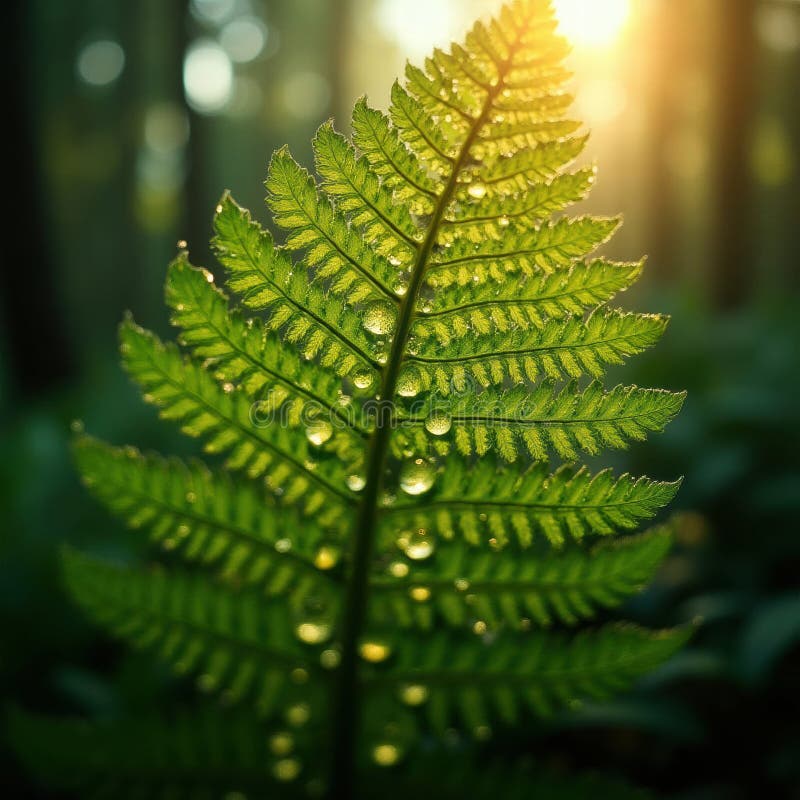
- Sight: Look for the smallest details—the veins on a leaf.
- Sound: Listen for the layers of bird calls.
- Smell: Deeply inhale the damp earth and pine needles.
- Touch: Feel the texture of tree bark.
- Taste: Notice the freshness of the air on your tongue.
Step 2: Rhythmic, Low-Impact Movement
Once the nervous system is calmed, begin a rhythmic walk. The goal is not to get "out of breath." We want to stimulate GLUT4 translocation. GLUT4 is a protein that acts as a glucose transporter. Rhythmic, low-intensity muscle contraction allows GLUT4 to move to the surface of your muscle cells and pull in glucose without the need for high levels of insulin. This "insulin-independent" glucose uptake is the holy grail of diabetes management.
Step 3: Grounding Techniques
If the environment is safe, spend five minutes "grounding" or "earthing." This involves direct skin contact with the earth (grass, sand, or soil). This practice helps neutralize free radicals and reduces oxidative stress, which further improves cellular signaling and insulin receptor sensitivity.
Mindful Walking vs. Mindless Cardio
In the gym, we often distract ourselves with podcasts, television, or loud music to "get through" the workout. This is "mindless cardio," and it does little for your mental fatigue. In nature, we experience "soft fascination."
Soft fascination occurs when we look at fractals—the self-repeating mathematical patterns found in trees, ferns, and clouds. Our brains are hardwired to process these patterns with zero effort. This lowers the heart rate and stabilizes the autonomic nervous system. When your brain is at ease, your blood sugar follows suit. By shifting from "exercise as a chore" to "nature as a sanctuary," we create a sustainable lifestyle change that you actually look forward to, rather than a gym session you find excuses to skip.
Practical Tips for the Urban Diabetic: Bringing the Forest to You
I realize that not everyone lives next to a pristine national park. However, the "Phytoncide Effect" can be hacked.
- Find "Green Pockets": Even a small city park with a dense cluster of trees can offer a concentrated dose of phytoncides. Look for areas with evergreen trees (pines, firs, cedars), as they are the highest producers of these compounds.
- Essential Oil Diffusion: If you are stuck indoors, use a high-quality diffuser with organic Hinoki, Scotch Pine, or Cedarwood essential oils. While not a replacement for the outdoors, inhaling these oils can mimic some of the anti-inflammatory effects on the pancreas.
- The Golden Hours: To maximize insulin sensitivity, time your nature walks for shortly after your largest meal of the day. The combination of post-prandial (after-meal) movement and the phytoncide-induced cortisol drop is incredibly potent at preventing glucose spikes.

Conclusion: Stepping Into a Balanced Future
Managing blood sugar is about more than just counting carbs; it's about managing the environment in which your hormones operate. The gym has its place for building muscle mass, but when it comes to the delicate dance of insulin and glucose, the forest is the superior ballroom.
By combining fresh air, rhythmic movement, and the chemical medicine of the trees, you aren't just "working out"—you are "tuning in." You are giving your body the safety signal it needs to stop hoarding sugar and start using it.
My challenge to you: Commit to 120 minutes a week in a green space. Break it up into three 40-minute sessions or daily 15-minute micro-doses. Observe your numbers, feel the shift in your energy, and let nature do what it does best: heal.