Digging Into Health: How Soil Microbes and Bare-Hand Gardening Improve Blood Sugar Control
Introduction: The Unseen Connection Beneath Your Fingernails
For decades, the prevailing wisdom in health and wellness was centered on the concept of "sterility." We were taught that bacteria were enemies to be eradicated with antibacterial soaps, hand sanitizers, and hyper-processed, "clean" environments. However, as a naturopathic expert specializing in metabolic health, I’ve watched our collective obsession with cleanliness coincide with a dramatic rise in autoimmune disorders and, more pressingly, type 2 diabetes and insulin resistance.
We have inadvertently severed a vital biological cord. Our ancestors evolved in constant contact with the earth, their skin and digestive tracts teeming with the microbial life found in the soil. Today, we live in "concrete bubbles," and our blood sugar reflects this isolation.
I am introducing a novel, holistic lifestyle strategy I call the 'Dirt-to-DNA' Protocol. This is not just about gardening as a hobby; it is about viewing the soil as a biological pharmacy. By reconnecting with the earth through bare-hand gardening, we can actually reprogram our metabolic signaling, diversify our internal microbiome, and lower our glycemic variability. It is time to stop fearing the dirt and start embracing it as a foundational tool for blood sugar control.

The Microbiome-Soil Axis: How Dirt Influences Your Metabolism
To understand how soil improves blood sugar, we must first understand the 'Old Friends' hypothesis. Proposed by microbiologist Graham Rook, this theory suggests that human beings evolved alongside specific environmental microbes—our "old friends"—that teach our immune systems how to behave. When we lose contact with these microbes, our immune systems become hyper-reactive, leading to chronic inflammation.
Why does this matter for diabetes? Because chronic, low-grade inflammation is a primary driver of insulin resistance. When your immune system is "bored" or "confused" due to a lack of microbial input, it produces pro-inflammatory cytokines that interfere with insulin signaling.
The Gut-Soil Connection
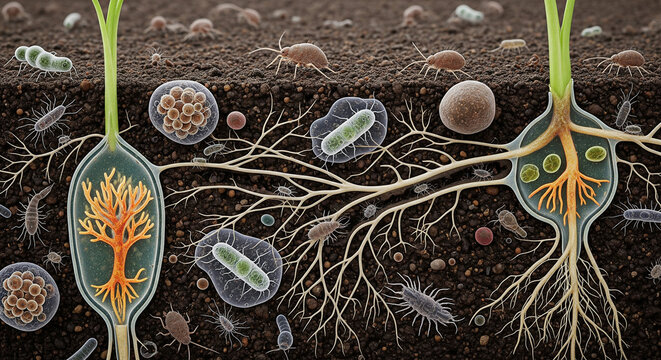
The soil is, in many ways, the "gut" of the earth. It contains a staggering diversity of bacteria, fungi, and protozoa that break down organic matter and facilitate nutrient uptake for plants. When you garden with your bare hands, you aren't just getting dirty; you are engaging in a microbial exchange.
Soil-based organisms (SBOs) are uniquely hardy. Unlike many of the fragile bacteria found in yogurt or standard probiotics, SBOs are spore-forming, meaning they can survive the acidic environment of the human stomach to colonize the lower GI tract. A more diverse gut microbiome is directly correlated with better glycemic control. These microbes produce short-chain fatty acids (SCFAs) like butyrate, which stimulate the release of GLP-1—the very same hormone that modern "blockbuster" weight-loss and diabetes drugs mimic.
Mycobacterium vaccae: The 'Happy' Soil Bacteria That Lowers Blood Sugar
One of the most exciting players in the 'Dirt-to-DNA' protocol is a specific soil bacterium called Mycobacterium vaccae. Research has shown that exposure to this non-pathogenic microbe can have profound effects on the mammalian brain and endocrine system.
The Serotonin and Cortisol Bridge
When you inhale or have skin contact with M. vaccae, it stimulates a specific group of neurons in the brain that produce serotonin. Serotonin isn't just a "feel-good" neurotransmitter; it plays a crucial role in regulating appetite and glucose metabolism.
Even more importantly, M. vaccae has been shown to dampen the body's stress response. In the world of blood sugar management, cortisol is the enemy. Cortisol is a glucocorticoid; its primary job is to raise blood sugar to provide energy for a "fight or flight" response. For many people with diabetes, chronic stress leads to "sticky" high blood sugar levels that won't budge regardless of diet. By modulating the stress response through soil exposure, we can naturally lower circulating cortisol and, consequently, fasting glucose levels.
Improving Insulin Signaling
Recent animal and observational human studies suggest that regular exposure to soil-based microbes improves the sensitivity of insulin receptors. By reducing systemic inflammation, these "happy" bacteria allow insulin to "unlock" your cells more efficiently, ensuring that glucose moves out of the bloodstream and into the muscles where it can be burned for fuel.

The 'Dirt-to-DNA' Protocol: A Naturopathic Strategy for Blood Sugar
As a naturopath, I don't just recommend "gardening." I recommend a structured approach to maximize the biological benefits of the earth. Here is the three-step protocol for integrating soil health into your metabolic routine.
Step 1: The 'Bare-Hand' Rule
For at least 20 minutes daily, you must have direct, ungloved skin contact with organic, untreated soil. This allows for the transdermal transfer of SBOs and the inhalation of beneficial volatile organic compounds (VOCs) released by the earth.
- Action: Dig, weed, or simply press your palms into the earth. The goal is to get the "microbial halo" of the soil into your system.
Step 2: Diversifying Your Microbial Exposure
Just as a diverse diet is better for your health, a diverse garden is better for your microbiome. Different plants attract different microbial colonies to their root zones (the rhizosphere).
- Action: Plant a mix of vegetables, flowers, and herbs. Rotate your crops seasonally to ensure you are being exposed to a shifting palette of beneficial bacteria.
Step 3: Integrating 'Earthing' or Grounding
The earth has a subtle negative electrical charge. When you touch the ground with your bare hands or feet, you are essentially "plugging in" to this reservoir of electrons. This practice, known as grounding or earthing, has been shown to reduce blood viscosity—a major concern for those with diabetes—and further reduce inflammation.
- Action: Combine your gardening with barefoot time. Stand on the grass or soil while you prune your plants to double the metabolic benefits.

Beyond Microbes: The Synergistic Benefits of Gardening
While the microbes are the "secret sauce" of this protocol, the physical act of gardening provides a suite of other benefits that are essential for blood sugar regulation.
Low-Impact Aerobic Exercise
Gardening is a form of NEAT (Non-Exercise Activity Thermogenesis). Bending, reaching, lifting watering cans, and digging are all functional movements that recruit large muscle groups. This type of sustained, low-intensity activity is incredibly effective at clearing post-meal glucose spikes without the stress that high-intensity workouts can sometimes place on the body.
Vitamin D Synthesis
Most people with type 2 diabetes are chronically deficient in Vitamin D. This "pro-hormone" is essential for the health of pancreatic beta-cells—the cells responsible for producing insulin. By spending time in your garden, you are getting the natural sunlight required for Vitamin D synthesis, which directly supports your body’s ability to manage sugar.
The 'Harvest Effect'
There is a psychological shift that happens when you grow your own food. You become more connected to the source of your nutrition. Studies show that people who garden are significantly more likely to consume the recommended daily intake of fiber-rich vegetables. Fiber is the ultimate blood sugar stabilizer, slowing the absorption of sugar and feeding the very microbes we are trying to cultivate.

Safety First: When to Keep the Gloves On
While I advocate for getting dirty, we must be smart about it. Not all "dirt" is created equal.
- Avoid Chemical Contaminants: Never practice bare-hand gardening in soil that has been treated with synthetic pesticides, herbicides, or heavy fertilizers. These chemicals are endocrine disruptors that can worsen insulin resistance. Only use organic compost and natural soil builders.
- Check for Open Wounds: If you have active cuts, sores, or ulcers—particularly on your hands or feet—keep them covered. People with advanced diabetes must be especially careful about skin infections and slow healing.
- Tetanus Status: Ensure your tetanus vaccinations are up to date, as Clostridium tetani is a common soil resident.
- The Microbial Halo vs. Sterilization: While you should wash your produce to remove excess grit and potential pathogens from animal waste, don't feel the need to "scrub it sterile." A quick rinse with water preserves the "microbial halo" that provides those beneficial SBOs.

How to Start Your Soil-Based Healing Journey Today
You don’t need a sprawling backyard to implement the 'Dirt-to-DNA' protocol. Even urban dwellers can reap the rewards.
Urban and Container Gardening
If you live in an apartment, container gardening is your best friend. Use large terracotta pots on a balcony or even a sunny windowsill. The key is to use high-quality, organic potting soil enriched with worm castings (which are incredibly rich in beneficial microbes).
Top Five 'Blood Sugar Friendly' Crops
If you’re wondering what to plant first, these five are nutritional powerhouses for glucose control:
- Bitter Melon: Contains charantin and polypeptide-p, which act like natural insulin.
- Okra: The "mucilage" in okra helps bind to excess sugar in the digestive tract.
- Leafy Greens (Kale/Spinach): High in magnesium, which is essential for insulin sensitivity.
- Garlic: Shown to improve fasting blood sugar levels.
- Herbs (Rosemary/Oregano): Rich in antioxidants that protect the pancreas.
Creating a Daily Ritual
Make gardening a mindful ritual. Leave your phone inside. Focus on the texture of the soil, the smell of the earth after a light watering, and the sound of the wind. This combination of mindfulness and horticulture is a potent "reset" for your nervous system and your metabolism.

Conclusion: Embracing the Earth for a Healthier You
The path to stable blood sugar isn't just found in a pharmacy or a laboratory; it is found in the very ground beneath our feet. The 'Dirt-to-DNA' protocol is a reminder that we are biological beings meant to exist in a symbiotic relationship with nature.
By ditching the gloves and reconnecting with the soil, you are doing more than just growing vegetables. You are feeding your microbiome, calming your nervous system, and teaching your body how to manage energy more efficiently.
I encourage you to step outside today. Dig your hands into the earth. Breathe in the life that dwells there. Your blood sugar—and your spirit—will thank you. It’s time to get dirty and get healthy.
Ready to take the next step in your metabolic journey? Start your first container garden this weekend and feel the difference that the earth can make.