Rise and Shine: How Morning Sunlight Powers Your Mitochondria for Better Blood Sugar Control
When we talk about managing blood sugar, the conversation usually centers around two things: what you put on your plate and how many steps you take. While nutrition and exercise are the twin pillars of metabolic health, there is a third, often ignored "nutrient" that is just as critical for your cellular health: light.
Specifically, the golden light of the early morning sun.
As a naturopathic practitioner specializing in metabolic recovery, I have spent years helping patients move beyond the "eat less, move more" mantra. What I’ve discovered is that many people struggling with insulin resistance are suffering from a form of "light malnutrition." We have moved our lives indoors, under the flicker of artificial blue light, and in doing so, we have severed a primal connection that regulates our internal chemistry.
It is time to introduce a new concept into your health vocabulary: Mitochondrial Sunlight. Think of morning light not just as something you see, but as a metabolic catalyst that "primes" your cells to handle glucose more efficiently. By understanding how to harness the sun, you can turn your body into a high-performance engine that burns fuel cleanly and keeps blood sugar steady.

The Solar-Metabolic Connection: Why Your Blood Sugar Needs the Sun
Human metabolism did not evolve in a vacuum. For millions of years, our biological processes—from digestion to hormone secretion—were perfectly synchronized with the rising and setting of the sun. Our ancestors woke with the first light, worked outdoors, and slept when the world went dark.
In the modern world, we have created a "perpetual noon." We sit under artificial lights during the day and stare at glowing screens at night. This disconnect creates a state of biological confusion. When your body doesn't receive the proper light signals, your circadian rhythm—the internal clock that tells your pancreas when to release insulin—becomes desynchronized.
The result? Chronic "light malnutrition." This isn't just about Vitamin D. It’s about the lack of specific wavelengths that stimulate your mitochondria. Without these signals, your cells become "sluggish," leading to the cellular logjam we call insulin resistance.
Understanding Near-Infrared (NIR) Light: Nature's Invisible Fuel
When you look at a sunrise, you aren't just seeing beautiful colors. You are being bathed in a massive dose of Near-Infrared (NIR) light.
While ultraviolet (UV) rays—the ones that cause sunburn—don't appear until the sun is higher in the sky, NIR light is present from the moment the sun peeks over the horizon. Unlike UV light, which is absorbed by the surface of the skin, NIR light has a remarkable ability to penetrate deep into your tissues. It travels through your skin, into your muscles, and even into your internal organs.
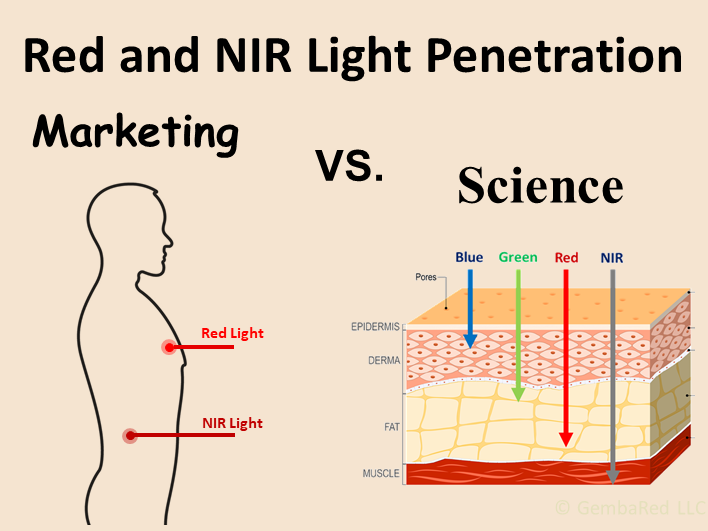
This invisible light acts as a form of cellular fuel. Think of it as a wireless charger for your body. While the food you eat provides the raw materials for energy, NIR light provides the "spark" that makes the process more efficient. By exposing yourself to this specific spectrum in the morning, you are essentially pre-heating your metabolic oven for the day ahead.
The Engine Room: How Mitochondria Regulate Glucose
To understand why light matters for blood sugar, we have to look inside the cell at the mitochondria. Often called the "powerhouses" of the cell, mitochondria are responsible for taking the glucose (sugar) from your blood and turning it into ATP (energy).
However, mitochondria are much more than just furnaces; they are sensitive sensors. When they are healthy and functioning optimally, they "pull" glucose out of the bloodstream with ease. But when mitochondria become damaged or "clogged" by oxidative stress, they stop responding to insulin. This is the root of Type 2 diabetes: the cells have plenty of fuel available, but the "engines" are broken and can't use it.
Healthy mitochondrial function is the ultimate "sink" for blood sugar. The more efficient your mitochondria are at producing ATP, the less sugar lingers in your blood to cause damage to your arteries and nerves.
The Photobiomodulation Effect: Lighting Up Your Metabolism
How exactly does light fix a broken engine? The process is called photobiomodulation.
Inside your mitochondria, there is a specific protein called Cytochrome C Oxidase. This protein acts as a light receptor. When NIR light hits this receptor, it triggers a cascade of beneficial effects:
- Increased ATP Production: It clears out nitric oxide that might be blocking the engine, allowing the cell to produce more energy from the sugar you eat.
- Reduced Oxidative Stress: Morning light stimulates the production of "melatonin" inside the mitochondria—not the sleep hormone in your brain, but a powerful antioxidant that protects the cell from damage.
- Enhanced Glucose Disposal: Stimulated mitochondria are "hungry" mitochondria. They signal the cell to move more glucose transporters (GLUT4) to the surface, effectively vacuuming sugar out of the blood.
By stepping into the morning sun, you are literally "lighting up" your metabolic pathways.
Setting the Circadian Clock for Insulin Sensitivity
Your body operates on a schedule managed by the Suprachiasmatic Nucleus (SCN), a tiny region in the brain that acts as the master clock. This clock is directly connected to your eyes.
When morning light hits your retinas, it sends a signal to the SCN that the day has begun. This signal coordinates the release of cortisol to wake you up and primes the pancreas for the meals to come. Research has shown that people who get bright light exposure in the morning have significantly better insulin sensitivity than those who stay in the dark.
If you skip this morning signal, your body remains in a "metabolic twilight." Your insulin response becomes sluggish, leading to higher blood sugar spikes after breakfast and lunch, and the dreaded "afternoon slump" where your energy crashes because your cells can't access fuel efficiently.

The Sun-Fuel Protocol: A Naturopathic Strategy for Blood Sugar
As a naturopath, I don't just want you to "get some sun." I want you to use light as a precision medicine. I have developed a novel strategy called the Sun-Fuel Protocol to maximize your metabolic response.
1. The 20-Minute Morning Window
Aim to get outside within the first 30 to 60 minutes of waking. You don't need to stare at the sun—simply being in its presence is enough.
- Duration: 10–20 minutes.
- Exposure: The more skin you can safely expose (within the bounds of weather and privacy), the more NIR light your mitochondria can absorb. Even just exposing your face, neck, and arms makes a massive difference.
2. The "First Light" Hydration Habit
Water is a conductor for the energy produced by light. Before you head outside, drink a large glass of filtered water with a pinch of high-quality sea salt or trace mineral drops.
- Why: Minerals like magnesium and potassium are essential for the electrical signaling in your cells. Combining mineralized hydration with sunlight creates a synergistic effect that boosts cellular "charge."

3. Strategic Movement: The "Sun-Walk"
Don't just sit there—move! Walking in the morning light doubles the benefit.
- Why: Muscle contraction during movement requires ATP. By walking while being bathed in NIR light, you are providing the mitochondria with the stimulus to work and the "fuel" (light) to do it efficiently. This combination is one of the fastest ways to lower a fasting blood sugar reading.
Overcoming Obstacles: Light Therapy for All Seasons
I realize that not everyone lives in a sun-drenched paradise. If you live in northern latitudes or deal with grey, cloudy winters, you can still optimize your light environment.
- Cloudy Days: NIR light penetrates clouds! Even on a grey day, the light intensity outside is significantly higher than it is inside your house. Spend a bit more time (30 minutes) outdoors to compensate for the lower intensity.
- Red Light Therapy (RLT): If getting outside is impossible, a high-quality Red/NIR light therapy device can be a powerful supplemental tool. Using an RLT panel for 10 minutes in the morning can mimic some of the metabolic benefits of the sun.
- Avoid "Blue Light Toxicity": To protect the work you do in the morning, you must protect your evenings. After sunset, dim the lights and use "blue blocker" glasses. Artificial blue light at night tricks your brain into thinking it’s daytime, which suppresses melatonin and causes your blood sugar to rise overnight.

A Holistic Vision: Integrating Light into a Diabetes-Free Lifestyle
For too long, we have treated blood sugar management as a battle of restriction—restricting carbs, restricting calories, restricting joy. My mission is to shift that focus toward nourishment.
Your body is a biological marvel that wants to be in balance. By providing it with the "nutrients" it evolved to require—real food, mineralized water, and natural light—you are giving it the tools to heal itself. Optimizing your mitochondria doesn't just help with blood sugar; it improves your heart health, boosts your mood, and increases your longevity.
Metabolic freedom starts with a single, simple step: stepping outside.
Your Call to Action
Tomorrow morning, leave your phone on the kitchen counter. Take your glass of mineral water, step out into the first light of day, and breathe. Feel the warmth of the near-infrared rays hitting your skin. Know that inside your cells, your mitochondria are waking up, powering up, and preparing to keep your blood sugar steady and your energy high.
The sun has been rising for four billion years. It’s time you let it start working for you.
Ready to take the next step in your metabolic journey? Join our "Blood Sugar Control" community for more science-backed, naturopathic strategies to reclaim your health.
