Reversing Pre-Diabetes: How I Mastered Carb Control and Reclaimed My Health
I remember the exact moment the doctor’s office called. I was sitting at my desk, mid-afternoon, nursing a large vanilla latte and wondering why I felt so incredibly tired despite the caffeine. The nurse’s voice was clinical but kind: "Your A1C came back at 6.1%. You’re in the pre-diabetic range."
The world seemed to tilt. Me? Pre-diabetic? I wasn't "old," and I didn't think I ate that badly. Suddenly, the latte in my hand felt like a ticking time bomb. That phone call kicked off a whirlwind of emotions. First came the shock—a cold realization that my body was struggling to keep up. Then came the guilt. I replayed every late-night pizza delivery and every sugary snack, blaming myself for "breaking" my metabolism. I spent weeks in the "why me" phase, feeling like I had been handed a life sentence of bland food and finger pricks.
But looking back, that diagnosis was the best thing that ever happened to me. It was the wake-up call that forced me to stop guessing and start learning. Today, my A1C is a healthy 5.2%, my energy is higher than it was in my twenties, and I’ve reclaimed a relationship with food that is based on joy, not fear. Here is how I moved from panic to power.
:max_bytes(150000):strip_icc()/Health-GettyImages-1295021143-2feda12b9b9a4316b960e74eb8ec92f0.jpg)
The Carb-Phobia Phase: Why Cutting Everything Didn't Work
My first instinct was radical: I decided I would never eat a carbohydrate again. No bread, no pasta, no fruit, no potatoes. I went "all-or-nothing," convinced that carbs were the enemy.
For the first four days, I felt like a superhero. By day five, the "carb flu" hit. I was irritable, my brain felt like it was wrapped in cotton wool, and I found myself staring longingly at a piece of whole-wheat toast as if it were a five-course meal. More importantly, I became a social hermit. I turned down dinner invitations because I was terrified there wouldn't be anything "safe" to eat.
This extreme restriction was unsustainable. Every time I "slipped up" and ate a cracker, I felt like a failure, which led to a "might as well eat the whole box" binge. I realized that total elimination wasn't the answer—it was a recipe for burnout. I needed a strategy that allowed me to live in the real world.
:max_bytes(150000):strip_icc():format(webp)/240708-broccoli-and-chicken-stir-fry-DDMFS-4x3-27886203cb2744f99d15247496019942.jpg)
Education Over Elimination: Learning the Science of Blood Sugar
I realized I couldn't win a game if I didn't know the rules. I stopped reading fad diet blogs and started diving into the actual science of glucose metabolism. Two concepts changed everything for me: the Glycemic Index (GI) and the Glycemic Load (GL).
I learned that while the Glycemic Index tells you how fast a food raises blood sugar, the Glycemic Load tells you how much of that food you’re actually eating. This was a revelation! It meant I didn't have to fear a high-GI food if I kept the portion small and balanced it correctly.
I also discovered the "Secret Weapon": Fiber. I used to think of fiber as something just for digestion, but in the world of blood sugar, fiber is the ultimate brake system. It slows down the absorption of sugar into the bloodstream, turning a sharp, dangerous spike into a gentle, manageable hill. Once I understood that I could use fiber to "buffer" my favorite foods, my fear began to melt away.

The Power of Pairing: How I Learned to Eat Bread Again
This is the strategy that truly saved my sanity. I call it the "Carb Clothing" rule. The rule is simple: Never let a carbohydrate go out "naked."
When you eat a "naked" carb—like a plain piece of white toast or a bowl of grapes—your body breaks it down into glucose almost instantly, sending your blood sugar soaring. But when you "clothe" that carb in protein, healthy fats, and fiber, you change the chemistry of the meal.
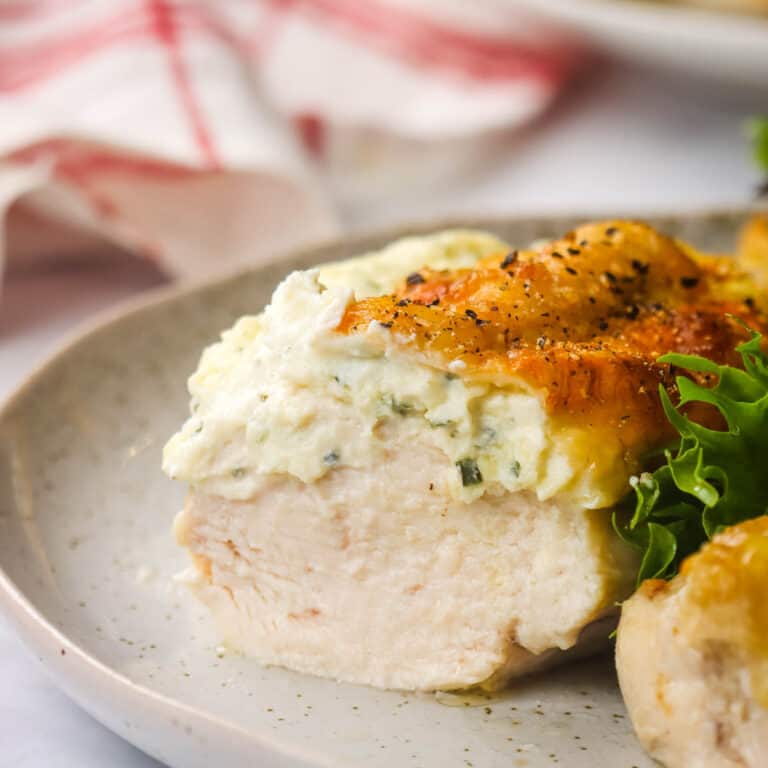
For example, instead of a plain bagel, I’d have half a bagel topped with thick layers of cream cheese, smoked salmon, and capers. The fat from the cheese and the protein from the fish act as a barrier, slowing the glucose release.
I also adopted the "Veggies First" strategy. Research shows that the order in which you eat your food matters immensely. By eating a small salad or some roasted broccoli before I touched the starch on my plate, I could reduce my post-meal glucose spike by up to 30%. I wasn't eating less; I was just eating smarter.

Rethinking the Plate: My Daily Strategy for Balanced Meals
To make this sustainable, I moved away from calorie counting and toward the Plate Method. It’s a visual tool that requires zero math and works in any restaurant or kitchen.
- 50% of the plate: Non-starchy vegetables (spinach, peppers, zucchini, cauliflower).
- 25% of the plate: High-quality protein (chicken, tofu, eggs, fish).
- 25% of the plate: Complex carbohydrates (sweet potato, quinoa, berries, or even a small portion of pasta).
I also started making "Smart Swaps." Instead of white rice, I used cauliflower rice mixed with a little bit of brown rice for texture. Instead of sugary soda, I went for sparkling water with a splash of apple cider vinegar (which actually helps improve insulin sensitivity!). These weren't sacrifices; they were upgrades that left me feeling full instead of bloated.
Movement as Medicine: The 15-Minute Post-Meal Habit
One of the most powerful tools in my recovery didn't happen in the kitchen—it happened on the sidewalk. I learned that our muscles are the biggest consumers of glucose in the body. When we move, our muscles "sponge up" the sugar in our blood to use for energy.
I started a non-negotiable habit: The 15-Minute Post-Meal Walk.
Instead of collapsing on the couch after lunch or dinner, I’d put on my sneakers and walk around the block. It wasn't a power walk or an intense workout; it was just gentle movement. The results were staggering. On days I walked after eating, I didn't get the "afternoon slump." I felt clear-headed and energized. Movement became my medicine, and I started looking forward to those 15 minutes as a time to decompress and breathe.

Beyond the Numbers: Restoring My Mental Health and Food Joy
The biggest hurdle wasn't my A1C; it was my mindset. For a long time, I viewed foods as "good" or "bad." This created a cycle of shame that was actually raising my cortisol levels—which, ironically, raises blood sugar!
I had to learn to find "food freedom." I stopped calling my favorite treats "cheats." If I wanted a piece of birthday cake, I ate it. But I applied my rules: I’d eat it after a protein-rich meal, and I’d take a walk afterward. By removing the stigma, the food lost its power over me. I no longer binged because I knew I could have it again if I wanted to.
I also started celebrating Non-Scale Victories (NSVs). Yes, the lower A1C was great, but so was the fact that I no longer needed a nap at 3:00 PM. I noticed my skin was clearer, my sleep was deeper, and my mood was more stable. These wins were the fuel that kept me going when the scale didn't move.
:max_bytes(150000):strip_icc()/VWM-Surprising-Reasons-Why-Dinner-Parties-Can-Ease-Your-Social-Anxiety-Vertical-V1-4d398f5326214a81bfd498e86c9ecd22.jpg)
Your Turn: Three Steps to Start Your Own Recovery Journey
If you’ve just received a pre-diabetes diagnosis, please know this: You are not broken, and your life isn't over. You are simply receiving a message from your body that it needs a change in management. Here is how you can start today:
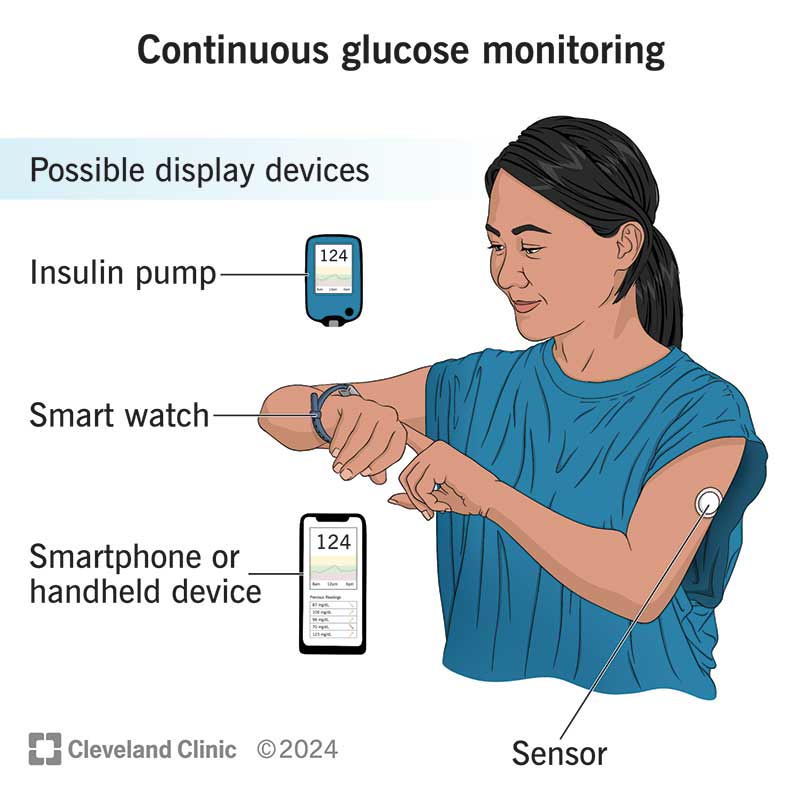
- Start Monitoring (Without Obsession): Knowledge is power. Whether you use a traditional glucose meter or a Continuous Glucose Monitor (CGM), seeing how your body reacts to specific foods is eye-opening. Use the data as a curious scientist, not a judge.
- Pick One Habit at a Time: Don't try to revamp your entire life overnight. Start by adding a cup of veggies to your dinner. Once that feels easy, add the 15-minute walk. Small, consistent wins lead to massive long-term transformations.
- Find Your Community: You don't have to do this alone. Whether it’s an online group, a local walking club, or a supportive friend, having people who understand the journey makes all the difference.
Reversing my pre-diabetes wasn't about willpower; it was about strategy and self-compassion. I didn't "beat" my body into submission—I learned how to work with it. Today, I don't feel restricted. I feel empowered. I know exactly how to fuel my body for longevity, and I’ve never felt better.
You have the power to rewrite your health story. Start with your next meal, clothe your carbs, and take that first step toward a vibrant, balanced life. You’ve got this!
Ready to take control? Join our newsletter for weekly blood-sugar-friendly recipes and science-backed tips to help you thrive. Let’s reclaim your health together!